English
 Español



Bathroom floor space is often divided among several fixed areas, including the entrance, sink, toilet, shower, and storage. A waste bin still needs to remain within convenient reach, so its position can influence how easily people move around the room.
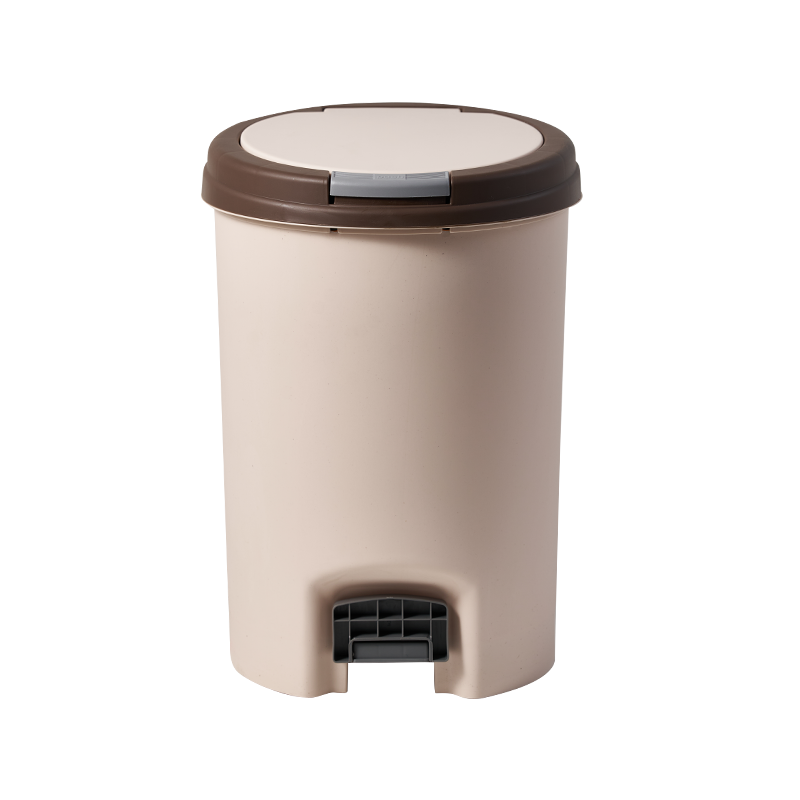
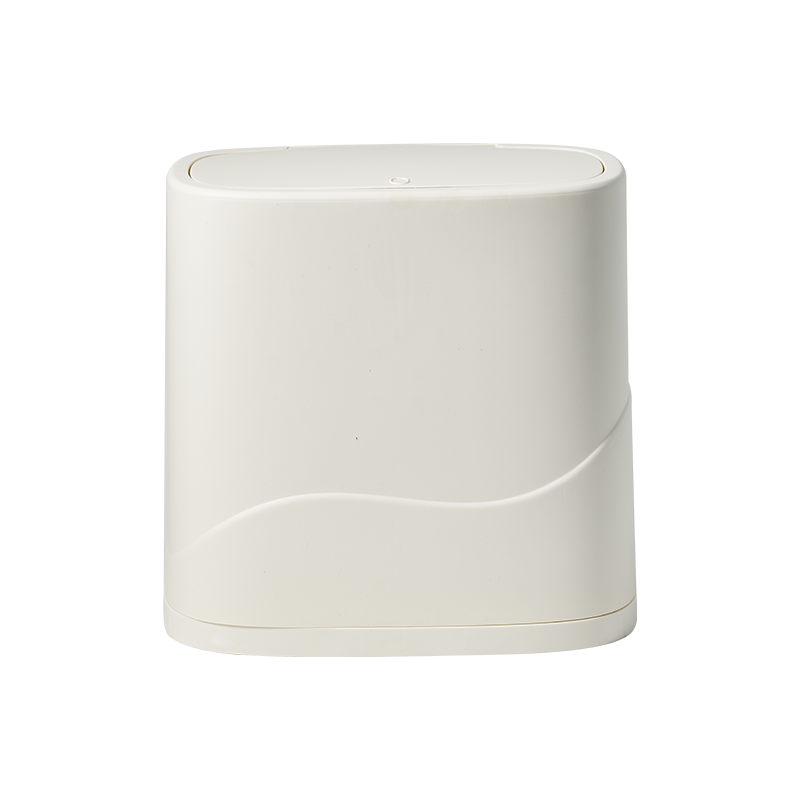
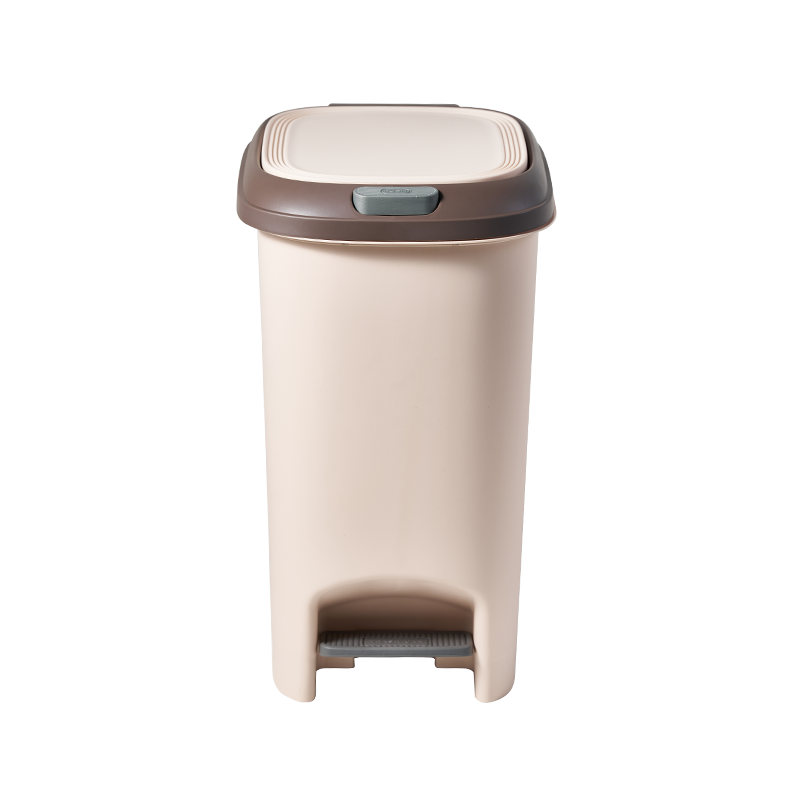
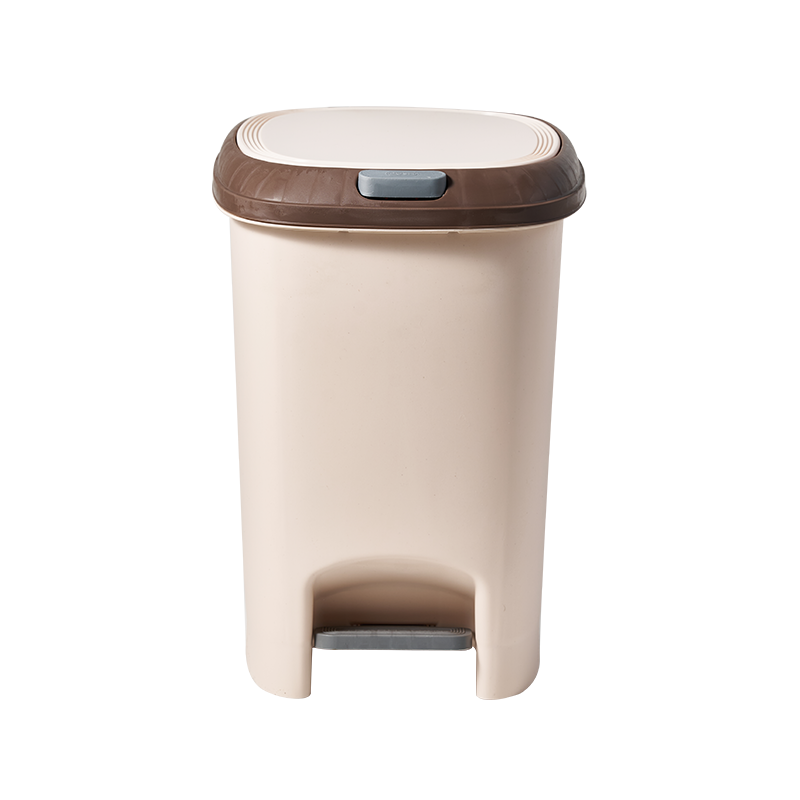
Corners offer a different placement option. Two walls already define an unused section of floor, allowing a Corner Bathroom Trash Can to sit close to the edge rather than extending into a central walking route. Such positioning does not create additional floor area, yet it can make existing space easier to organize.
Movement around a bathroom tends to follow familiar paths. A person may walk from the entrance toward the sink, move between the sink and shower, or reach toward storage. A container placed directly within one of those routes can become an obstacle, particularly in a narrow room.
Corner placement shifts waste storage toward an area with less passing traffic. Accessibility still matters, since a container hidden behind a door, toilet, or piece of furniture may become inconvenient to use. Good placement therefore involves a balance between clearance and reach.
Room shape should guide the decision. A wide bathroom may have enough open floor space for a conventional bin, while a narrow layout can benefit from using less occupied areas near the walls.
How Does Corner Geometry Affect Trash Can Structure
A corner is formed by two intersecting walls, creating a shape that differs from an open floor area. A standard round or rectangular bin may leave unused spaces behind its body when pushed toward the corner.
Corner‑oriented designs approach the problem from another direction. Angled backs, wedge‑like profiles, or partly rounded bodies can follow the available wall space more closely. Such forms reduce the empty gaps that appear when a conventional container is placed against two surfaces.
Shape affects more than appearance. A body that fits neatly into a corner still needs enough internal space for ordinary bathroom waste. Increasing the width may improve interior room while reducing walking clearance, while increasing height can preserve a smaller floor footprint at the expense of reach.
Base geometry matters as well. A rear edge designed for corner placement needs to remain stable against the floor rather than relying on wall contact for support. A stable structure can remain in position during ordinary use without becoming difficult to move during cleaning.
Designing around corner geometry also requires attention to nearby fixtures. A container that physically fits into a corner may interfere with a cabinet door, shower entrance, or toilet area once the lid begins to open.
How Does Corner Placement Affect Bathroom Movement
A bathroom contains several areas that require repeated access, so available floor space needs to support movement rather than simply hold objects. Waste disposal is a frequent task, making bin placement part of the room's everyday circulation.
A corner position can keep the central floor relatively open. Someone entering the room can move past the container without needing to step around it, provided the bin does not extend too far from the wall.
Accessibility remains equally important. A container positioned deep inside an awkward corner may save floor space while making disposal less convenient. Reaching around another fixture can create an unnecessary obstacle, especially when the bin requires regular use.
Lid movement should be considered alongside floor clearance. A container may occupy a small area while its lid requires additional room above or behind the body. Nearby shelves, counters, mirrors, and wall‑mounted fixtures can restrict opening movement.
Practical placement usually considers:
- Distance from the main walking route
- Access from the usual disposal position
- Clearance around the lid
- Relationship with nearby bathroom fixtures
- Space needed for removing the liner
- Access for floor cleaning
A corner structure works well only when the surrounding space supports normal use. Saving floor area has limited value when disposal or emptying becomes awkward.
What Role Does the Base Design Play in Corner Stability
A waste bin needs a stable connection with the floor. Bathroom surfaces can become slippery from water, cleaning products, or condensation, making base design relevant to everyday handling.
A broad contact area can help keep the container steady when waste is placed inside. Weight distribution matters as well, particularly for taller structures with a narrow footprint.
Corner placement can provide a visual sense of stability because two walls surround the rear portion of the container, although wall contact should not replace a properly designed base. A bin should remain stable without leaning against the wall.
Floor contact affects cleaning too. A container that sits completely flat may collect less debris underneath, while a design that is easy to lift can make mopping around the base more convenient.
Non‑slip contact materials may help reduce unwanted movement on smooth floors. Such features need to remain compatible with cleaning because dust, hair, moisture, and residue can collect around the bottom edge.
How Does Lid Design Affect Corner Use
Lid movement becomes more noticeable when a container sits close to two walls. A lid that opens toward the rear may strike a wall, shelf, or other nearby object, preventing full movement.
Top‑opening structures need sufficient space above the container. Front‑access designs create different clearance requirements because access takes place from the side facing the room.
Bathroom placement should therefore be considered together with lid movement. A compact body does not necessarily create a compact operating area.
Covered containers can separate waste from the surrounding room, while the opening mechanism determines how easily waste can be deposited. A simple movement path can be useful in a space where several fixtures are already close together.
Lid weight and balance can influence stability as well. Opening a container with one hand may cause a lightweight body to shift when the base does not provide enough resistance.
Does Opening Orientation Change Daily Convenience
Opening direction determines where a user needs to stand when disposing of waste. A corner restricts approach directions more than an open floor position, so orientation needs to match the room layout.
An opening facing the room generally provides a direct disposal path. An opening directed toward a wall can make access less comfortable, even when the container itself occupies very little floor space.
Height adds another consideration. A low container may be easy to access from a seated position, while a taller structure can reduce the need to bend down. User habits and surrounding fixtures influence which arrangement feels practical.
Waste removal requires similar consideration. A liner or inner container needs to be lifted or pulled out without hitting nearby walls or furniture. A structure that works during disposal may still become inconvenient when it needs to be emptied.
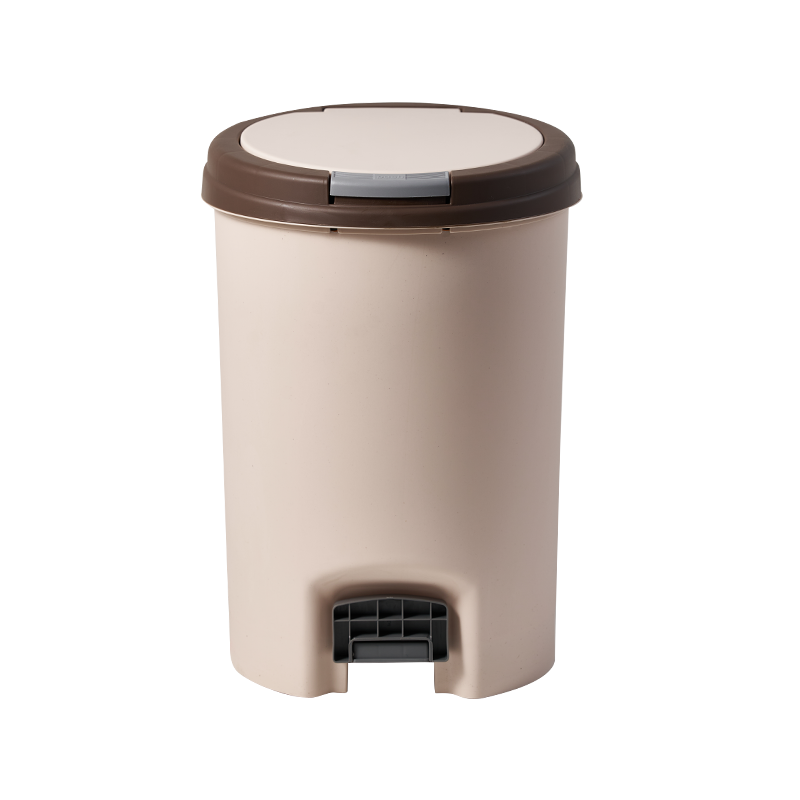
How Can Interior Capacity Be Balanced With Corner Fit
A corner‑oriented container needs to make sensible use of a limited floor area while still providing enough room for ordinary bathroom waste. Changing the outer shape can improve wall clearance, yet every change in width, depth, or height affects the space available inside.
A narrower body may leave more room around nearby fixtures, while a taller body can provide additional internal space without extending far into the walking area. Height, however, needs to remain comfortable for users and should not interfere with shelves, counters, mirrors, or other objects above the bin.
Interior shape matters as well. A sharp corner on the outside does not necessarily need to continue through the entire inner compartment. Rounded internal areas can reduce places where waste or residue becomes trapped, making emptying and cleaning easier.
Waste type influences suitable capacity. Bathroom bins may receive tissues, packaging, cotton products, or other lightweight household waste. A container intended for occasional disposal can have different requirements from one placed in a busy family bathroom.
A practical design needs to balance several conditions rather than enlarge the interior without considering the surroundings. Floor footprint, internal room, opening size, height, and liner removal all need to work together.
What Materials Suit a Moist Bathroom Environment
Bathrooms expose small household products to moisture more often than many other indoor areas. Water splashes, humidity, damp hands, cleaning routines, and occasional spills can all affect the surface of a waste bin.
Material selection influences how a container responds to regular contact with moisture. A surface that is easy to wipe can reduce the effort required after small spills, while a surface with many deep grooves may retain residue around edges and joints.
Smooth interior surfaces are useful for routine cleaning because waste rarely stays in direct contact with them for long. The outer surface needs similar consideration, especially when the container is positioned near a sink or shower.
Surface treatment can influence appearance and cleaning behavior. However, the suitability of a material depends on the complete construction rather than the material name alone. Joints, lid connections, hinges, handles, and the base can all affect how easily moisture is removed.
A bathroom waste bin may encounter several types of cleaning conditions:
- Light wiping during routine care
- Removal of liquid residue after accidental spills
- More thorough cleaning around the base
- Cleaning near the lid and opening
- Drying after contact with water
Choosing a suitable material therefore involves considering moisture exposure, cleaning habits, surface condition, and the expected location inside the bathroom.
How Does Corner Structure Affect Cleaning
Moving a waste bin toward a corner can leave more open floor around the central area, making sweeping and mopping easier. Cleaning behind the container still requires attention, particularly when two walls create a narrow space.
A container placed tightly against both walls may collect dust or moisture along the rear edges. A small gap can make cleaning easier, although excessive clearance reduces the space‑saving benefit of corner placement.
The base should be easy to reach during routine cleaning. Lightweight construction can make it easier to move the container temporarily, while a stable base helps prevent unnecessary sliding during normal use.
Interior cleaning has similar importance. A removable liner or inner container can simplify emptying, especially when waste needs to be removed without lifting the entire structure. A wipe‑clean interior can reduce residue around the bottom and corners.
Lid construction affects maintenance too. Hinges and connecting areas may collect dust or moisture, so simple access around those areas can make routine care less troublesome.
Good cleaning access should therefore be considered during design rather than treated as an issue that appears after installation.
Why Is Vertical Space Relevant to Compact Bathroom Design
Limited floor area does not necessarily mean limited storage potential. Vertical space can provide another direction for increasing usable volume while keeping the base relatively compact.
A taller Corner Bathroom Trash Can can occupy a small area on the floor while providing enough internal room for regular bathroom waste. Such a structure may suit a narrow corner where widening the body would interfere with movement.
Height still needs to match the surrounding environment. A bin placed below a shelf needs enough clearance for the lid, while a container positioned beside a counter should remain comfortable to access.
User reach matters as well. A tall structure can reduce the need to bend down, although excessive height may make the bottom difficult to reach during cleaning or liner replacement.
Vertical design works best when several conditions align:
- Enough space exists above the container
- Lid movement remains unobstructed
- Waste can be deposited comfortably
- The base remains stable
- The liner can be removed without difficulty
A compact footprint should not be treated as the only design goal. Practical access and maintenance remain part of the same space‑planning decision.
What Should Be Considered Before Choosing a Corner Structure
A corner‑oriented waste bin needs to fit both the physical room and the daily habits of the people using it. Wall position, walking routes, nearby fixtures, opening direction, cleaning access, and waste volume can all influence whether a particular structure works comfortably.
| Design Factor | Main Consideration | Effect on Daily Use |
|---|---|---|
| Corner Profile | How the body follows the walls | Floor space use |
| Base | Stability and floor contact | Movement control |
| Lid | Opening direction and clearance | Accessibility |
| Height | Available vertical space | Capacity and reach |
| Interior | Shape and cleanability | Waste handling |
| Material | Moisture and cleaning conditions | Routine maintenance |
Corner geometry deserves attention before the container is placed in the room. A shape that follows two walls closely may preserve more open floor area, while a shape that extends too far outward can become an obstacle despite having a corner‑oriented profile.
Lid access should be checked from the position where waste is normally discarded. Emptying needs similar consideration because the container may need to be pulled away from the wall before the inner liner can be removed.
Cleaning access can influence placement as well. A bin that fits neatly into a narrow gap may be difficult to move when the floor needs washing. Easy movement can be useful even when the container normally remains in one fixed location.
How Is Corner Bathroom Trash Can Structure Changing Bathroom Planning
Small bathroom accessories are increasingly considered as part of overall room organization rather than as separate objects. Waste disposal, storage, cleaning, and movement all compete for limited floor space, so the position of a small container can influence how the room functions.
A Corner Bathroom Trash Can follows a simple spatial idea: necessary storage can move toward an underused edge while the central floor remains available for movement. Corner placement does not enlarge a bathroom, yet it can change how existing space is distributed.
Such planning works when the container remains accessible. A hidden bin may save visible floor space while creating extra steps during ordinary use. A corner structure needs to stay close enough to the areas where waste is generated without interfering with doors, fixtures, or cleaning paths.
Design decisions therefore extend beyond shape. Interior capacity, material, lid movement, base stability, cleaning access, and vertical clearance all influence practical use. A corner structure becomes useful when those elements fit the room rather than simply following a particular visual style.
For modern bathroom layouts, small objects can have a noticeable effect on everyday movement. Placing a waste bin along an available edge may keep the center of the room more open, while a suitable structure can make use of space that might otherwise remain difficult to use.
 Previous