English
 Español




Anyone who shares a kitchen with a beagle or a restless young cat knows the sound. A thud, a skid across the tile, then the rustle of something being dragged under a chair. By the time you walk in, last night's chicken tray is on the rug and the dog looks very pleased with himself.
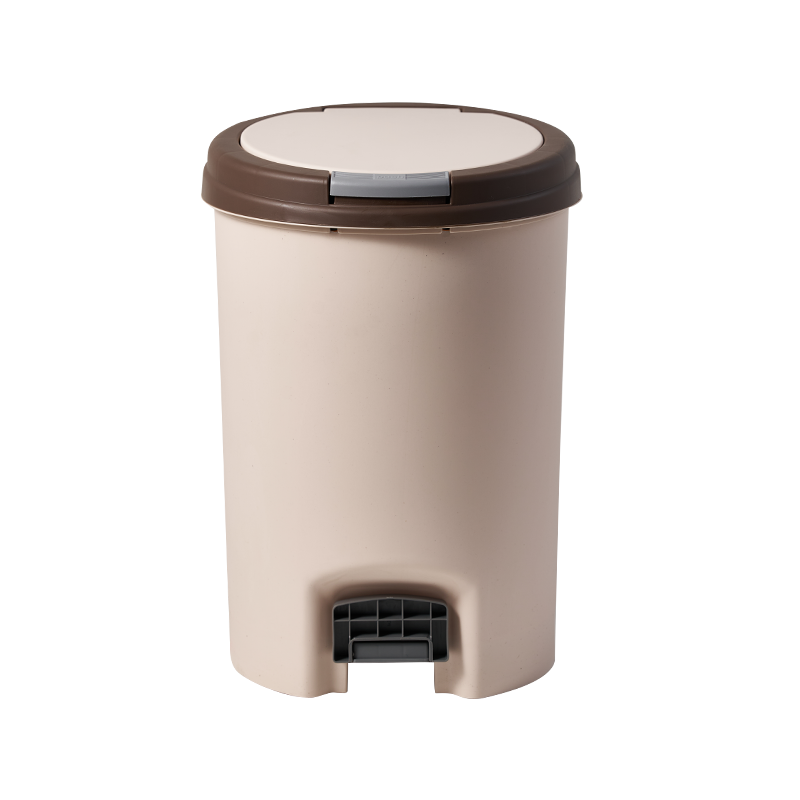
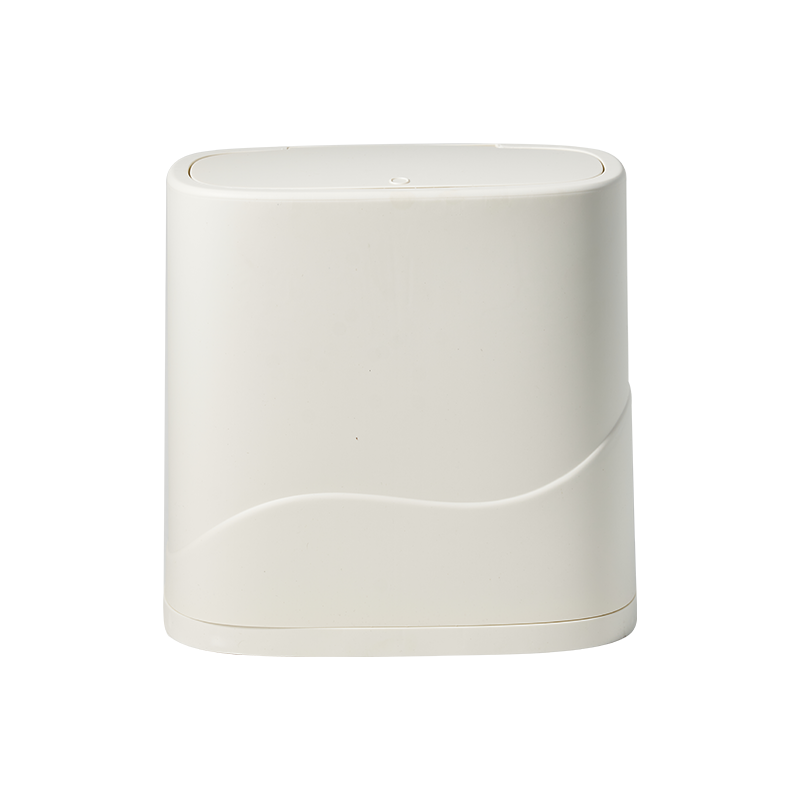
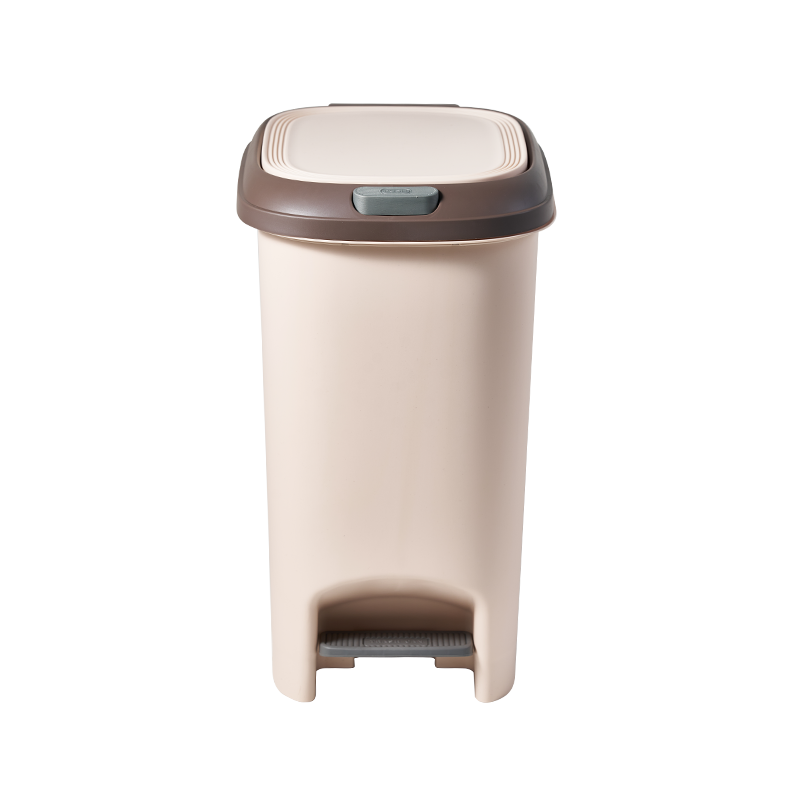
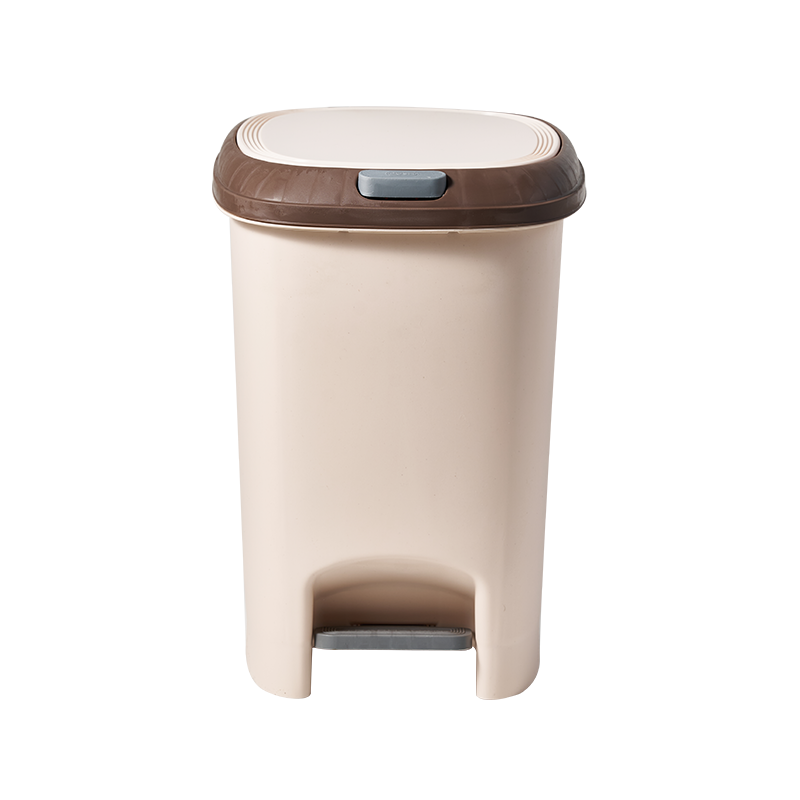
Many of these accidents come down to two things: a bin that can be pushed over, and a lid that can be pushed aside. A sturdy Covered Trash Can or a well-balanced Household Trash Can solves a good share of the problem. Where you put it and what you throw into it solves the rest.
Why Pets Go After the Bin
To a dog, a kitchen bin is a pantry that happens to smell wonderful. Meat trays, cheese rinds, and the paper from a takeaway burger all give off scent for hours, and a closed bin only muffles it. Once a pet gets a reward from digging in there, he'll check again every time the room is empty.
Cats usually come at it from a different angle. A lid that wobbles, a bag that crinkles, or a bin that rocks when touched is simply fun, especially for an indoor cat with long, quiet afternoons.
Weight plays a bigger part than people expect. A light container with a narrow base moves when a dog leans on it with his nose, and the contents shift toward the opening as it tilts. After that it takes very little to bring the whole thing down.
The Lid Matters More Than the Look
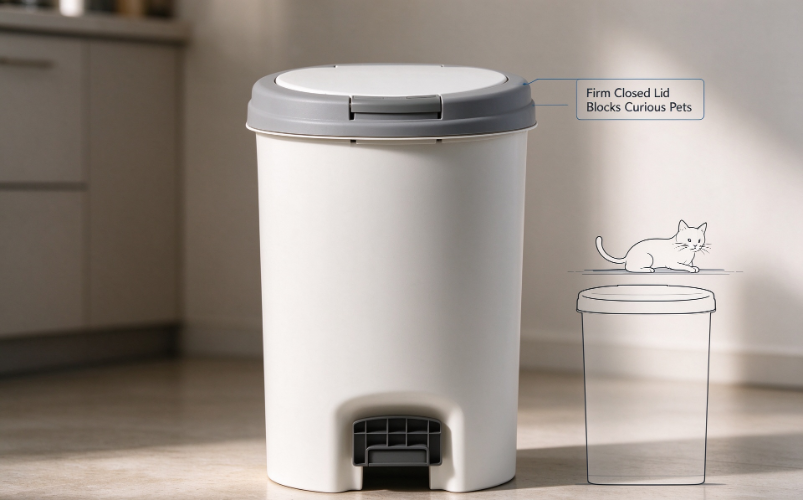
A Covered Trash Can puts a physical layer between a pet and the garbage. That sounds obvious, yet plenty of covered bins only rest a cover on the rim. A dog who has worked out that the lid lifts will lift it, and a cat will hook a claw under the edge.
When you're comparing lids, test them the way a pet would. Press on the edge from the side, tip the bin slightly, and see whether the cover stays where it is. A lid that is firmly attached, closes without a gap, and has some kind of latch is far harder to defeat than one that merely sits in place.
Foot-pedal bins are popular because both hands are usually full of scraps or wet paper towels. They work well as long as the lid drops shut and stays shut. A pedal bin whose lid bounces halfway closed is an open invitation, so watch it a few times before you trust it with a leftover roast.
A Base That Doesn't Wander
Pick up a Household Trash Can in the shop and give it a shove. If it slides, wobbles, or leans when you tip it a little, a dog will do the same thing with far more enthusiasm. A wide footprint and an even body make a real difference, and a rubbery or non-slip bottom helps on smooth floors where a light nudge can send a bin gliding across the room.
An empty bin is the weak moment. Right after you change the bag, the container is at its lightest, and that's when many knock-overs happen. If your dog is large or energetic, a heavier body or a spot against a wall gives you extra margin.
Where the Bin Lives
Placement does more than people give it credit for. A bin next to the feeding bowls, the dog bed, or the main walkway gets visited constantly, while one tucked behind a closed door gets ignored. The cabinet under the sink is the classic choice for a reason. If the door has a child-safety latch, even better, since many dogs learn to pop a plain cabinet door open with a paw.
Small flats don't always have a spare cabinet. In that case a compact bin in a corner, wedged against the wall and away from the route a dog takes when he runs to the front door, works much better than one standing in the middle of the room. A utility room or a pantry with a door you can actually shut is another good option, provided the space has some air circulation so smells don't build up.
What Goes Inside Counts Too
You can buy a sturdy lid and still have a problem if the contents shout. Raw meat packaging, fish skins, and greasy takeaway boxes are the usual culprits. Wrap them in a bag and knot it before they go in, or keep them in a sealed container until collection day.
A few habits make a surprising difference:
- Rinse meat trays quickly, or bag them on their own.
- Take the bag out before it is full to the brim.
- Wipe the inside of the bin now and then, because residue keeps smelling after the bag is gone.
- Don't leave scraps sitting uncovered on the counter while you finish cooking.
None of this is complicated, but skipping it is how an otherwise decent bin ends up on its side at midnight.
Barriers and a Little Training
Sometimes a bin is secure and a determined pet still wants in. A baby gate across the utility area, a latch on the cabinet, or simply moving the bin into a room with a door can settle the matter. Pick something that suits the animal. A latch that holds against a spaniel may not hold against a clever cat, and a gate shouldn't become something you trip over at six in the morning.
Training helps, but it works alongside physical barriers instead of replacing them. When your dog walks toward the bin, call him away and give him something better to do, like a chew or a puzzle toy. Praise him when he walks past it without a glance. It takes weeks of repeating the same small routine before it sticks, and it still won't hold up on a day when the whole kitchen smells like roast lamb.
Covered or Plain: Which Suits Your House?
Both kinds do the same basic job. The difference is how much help they give you when a pet is curious.
A Covered Trash Can makes sense when your animals investigate the garbage regularly: a food-driven Labrador, a cat who explores every surface, or a kitchen where scraps go in daily. A latch and a stable base give you protection that a loose cover can't.
A plain Household Trash Can can still work well, provided it lives somewhere the pet can't reach, such as inside a closed cabinet or a room with a door. If it has no secure lid and sits out in the open, you'll need something extra, whether that's a latch, a gate, or a heavier replacement.
The right choice depends on your layout, your animals, and how much effort you want to spend. A small flat with one calm cat has different needs from a busy family home with two retrievers and a toddler dropping crusts everywhere.
Mistakes People Make
The usual one is buying for looks. A bin in a lovely matte finish may have a flimsy lid and a base that tips if you breathe on it. Check how the lid attaches and how the bin balances before you worry about the colour.
Another is trusting any lid at all. A cover that's attached with a thin hinge can often be lifted by a dog who has watched you do it a hundred times. Look at how it closes and whether a paw or a nose could get under it.
People also leave the bin in the middle of a busy path. A container that everyone walks past is a container that gets bumped, sniffed, and eventually flipped. Moving it a few feet into a quieter corner often changes the whole picture.
Finally, there's cleaning. Even after the bag goes out, old residue inside the bin keeps its smell for days. A quick wash and a dry-off now and then makes the spot far less interesting to a nose that works much better than yours.
Keep Dangerous Items Out of Reach
Garbage isn't only messy. Some of it can harm an animal: pill packaging, cleaning product bottles, small wrappers that could be swallowed, and sharp lids from tins. Chocolate, onions, and cooked bones are common troublemakers, too. If any of these go in the bin, the lid and the placement matter even more.
Take a minute during your weekly clean to check the basics. Does the lid shut properly? Does the bin stand firm when you push it gently? Is the bag secure, and is the floor around it dry? Those small checks catch a weak spot before a pet does.
Every home runs a little differently. A family with a boisterous dog may want the bin behind a closed door, while someone with a curious cat might get by with a latch on the cabinet. Look at how your own animals behave, and choose a Covered Trash Can or Household Trash Can that fits that reality rather than the description on the packaging.
 Previous