English
 Español




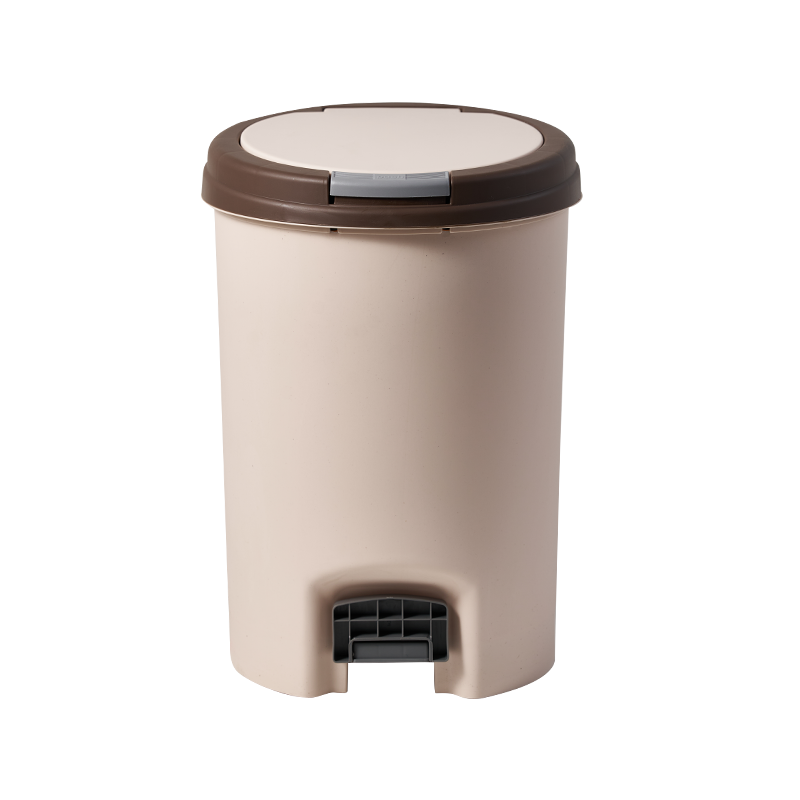
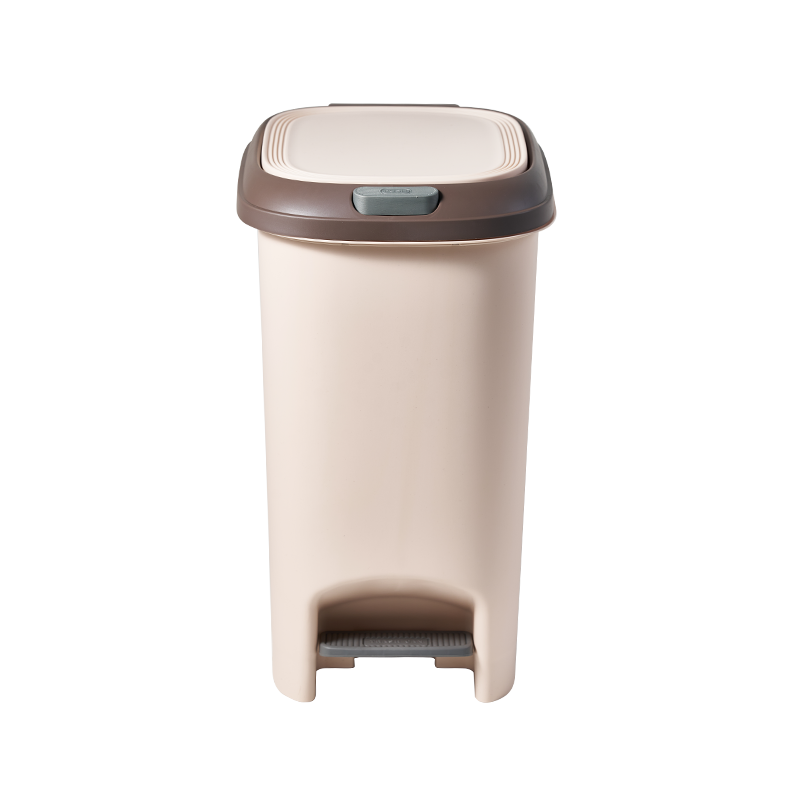
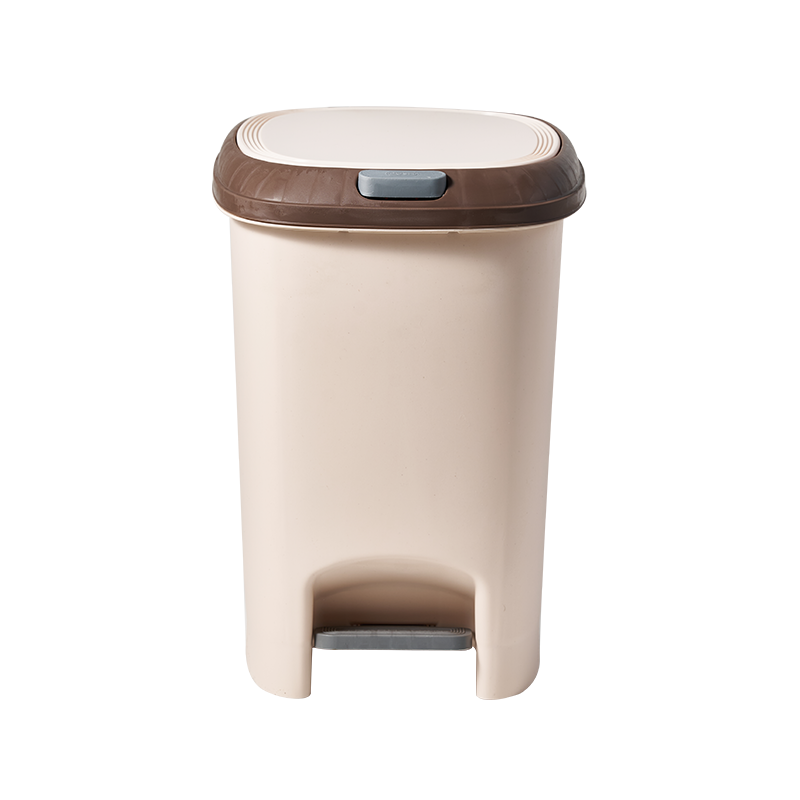
A patient holds a clipboard in one hand and a paper cup in the other, and needs somewhere to throw away a tissue. A parent waits with a child and a half-finished bottle of water. A receptionist empties the same bin for the third time before noon. A Plastic Trash Bin with Pedal lets visitors open the lid with a foot while their hands stay occupied, and it keeps everyday waste out of sight. For recycling points and interior styling, a Plastic Bottle Trash Bin and a Cream Trash Can can support the same goals.
Waiting areas serve patients, relatives, and staff all day. Waste containers placed there should be simple to use, easy to clean, and suited to the kind of waste they receive.
Why Does Hygiene Matter in a Waiting Room?
A waiting room is a shared space where people read, drink water, fill in forms, and wait for relatives. Waste containers are part of that activity. A bin that is awkward to use or does not close properly encourages visitors to leave rubbish on chairs or window sills.
Several everyday concerns follow from this:
- Visitors often prefer to avoid touching shared surfaces.
- Exposed waste spoils the look of the room.
- Odors make a waiting space less comfortable.
- Overflowing bins create extra work for cleaning staff.
- Badly placed containers get in the way of people walking through.
Healthcare facilities also pay close attention to environmental cleaning and waste separation, so choosing everyday containers is part of facility planning, not a minor purchase.
How Does a Pedal Bin Reduce Hand Contact?
The user presses a pedal with a foot, the lid lifts, the waste goes in, and the lid closes when the pedal is released. Hands stay free for bags, documents, or a child's hand. Compared with a bin that needs a push or a lift, this removes most direct contact with the lid.
A closed lid also keeps tissues, wrappers, and cups out of view. Depending on lid design and how often the bin is emptied, it can limit ordinary waste odors as well. A closed lid does not replace regular emptying and cleaning, which still follow the facility's own procedures.
Why Choose Plastic for Healthcare Waste Bins?
Plastic is lightweight and comes in many shapes, sizes, and colors, which suits public indoor spaces. Smooth surfaces are easy to wipe, and light weight lets staff slide a bin aside to clean the floor beneath it. Layouts change over time, and a lightweight container is simple to reposition near seating, reception counters, or corridor entrances.
When comparing products, facility managers can check whether the outer surface is easy to reach, whether the lid has corners that collect dirt, whether the inner container lifts out, and whether the material tolerates the cleaning products in use. Plastics differ in their resistance to cleaning chemicals, so the manufacturer's care instructions should be read before choosing a solution.
Which Features Should Be Checked Before Buying?
A bin made for a small reception desk may struggle in a busy waiting room.
| Feature | What to Check | Practical Benefit |
|---|---|---|
| Foot pedal | Smooth movement, comfortable pressure | Easy hands-free use |
| Lid | Stable opening and closing | Keeps waste covered |
| Plastic body | Material quality, cleaning compatibility | Supports routine upkeep |
| Inner bucket | Removable or easy to reach | Simplifies bag changes |
| Base | Firm contact with the floor | Reduces unwanted movement |
| Capacity | Matches expected waste volume | Avoids constant emptying |
| Surface | Smooth areas, accessible corners | Easier cleaning |
Pedal
Visitors include older adults, people with limited mobility, and people carrying bags. A pedal that needs heavy pressure becomes a nuisance, and a loose or broken one pushes people back to opening the lid by hand.
Inner Bucket
Changing a liner should not need awkward handling. A bucket that lifts out cleanly lets staff work quickly between visitors.
Capacity
A bin that is too small needs frequent emptying, while an oversized one wastes floor space. Visitor numbers, available room, and cleaning schedules should guide the choice.
| Location | Bin Considerations |
|---|---|
| Small clinic reception | Compact body, easy pedal access |
| Hospital waiting room | Suitable capacity, stable construction |
| Dental reception | Covered design, simple cleaning |
| Visitor seating area | Convenient opening, space-saving shape |
| Staff common area | Practical capacity, easy bag replacement |
Can a Cream Trash Can Suit a Waiting Room?
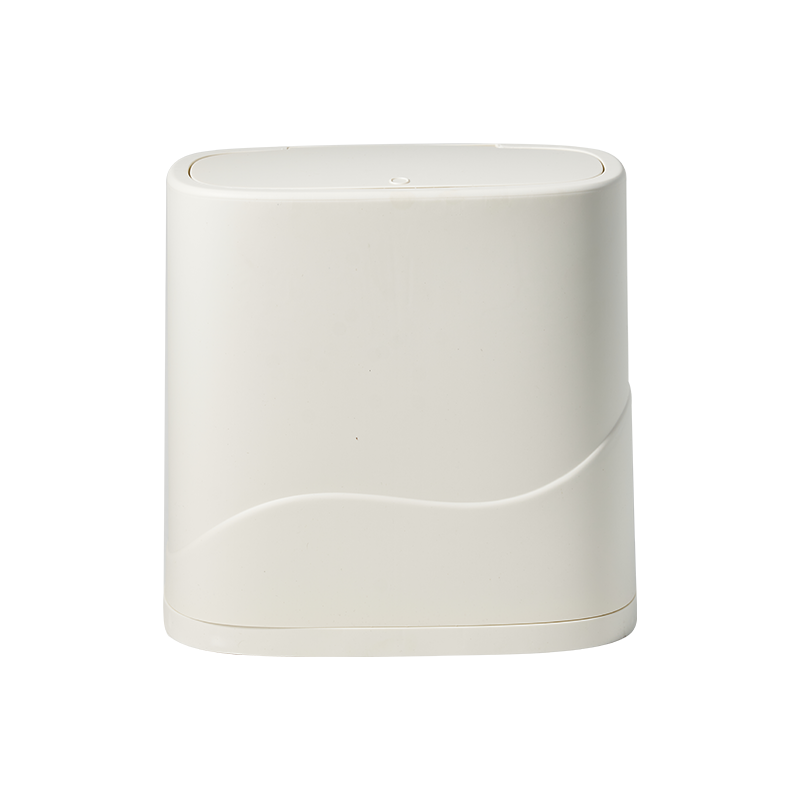
Appearance matters in patient-facing spaces. Waiting rooms often use white counters, light flooring, wooden furniture, and soft lighting. A Cream Trash Can is warm and understated, so it blends into that setting instead of drawing the eye. It can stand beside seating or near a reception desk without clashing with the surroundings.
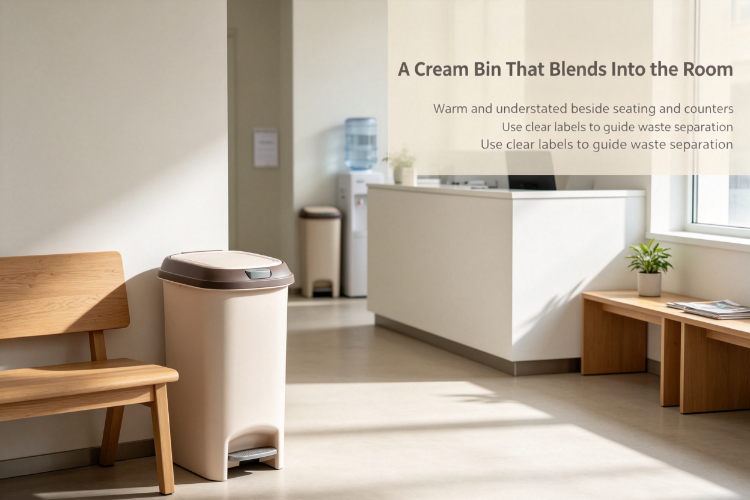
Color should not carry the instructions, though. Clear labels or signs tell visitors which container takes ordinary waste and which takes recyclables, and each facility should follow its own separation procedures rather than rely on a bin's exterior color.
How Does a Plastic Bottle Trash Bin Support Recycling?
Waiting areas generate empty water bottles, drink containers, and paper packaging. Depending on local arrangements, some of this may be collected separately. A Plastic Bottle Trash Bin gives suitable bottles a clear destination, so staff spend less time sorting mixed waste.
For placement, positioning near water dispensers works well. Labels on the front, a separation from general waste bins, an opening suited to the items, and a regular collection schedule prevent overflow.
An ordinary recycling bin is meant only for the waste streams the facility permits. Items contaminated with blood, body fluids, chemicals, or other potentially hazardous material do not belong there. Waste that needs controlled handling should go into dedicated containers chosen under the facility's own rules.
Where Should Bins Be Placed?
| Area | Suitable Considerations |
|---|---|
| Hospital waiting rooms | Covered pedal bins |
| Clinic reception | Compact pedal-operated containers |
| Dental waiting rooms | Easy-to-clean plastic bins |
| Water dispenser areas | Designated bottle collection bins |
| Patient lounges | Covered bins with convenient access |
| Staff break rooms | General waste and recycling containers |
Reception areas are busy with check-ins and paperwork, so a bin nearby spares staff from taking rubbish from visitors, provided it does not block the counter or the doorway. In seating areas, bins work best at the edge of the zone, within reach but clear of walking routes, and still accessible to cleaning staff.
How Should Staff Maintain Pedal Bins?
A routine fits easily into existing cleaning rounds:
- Empty the container before it overfills, replace the liner, and check that nothing remains around the opening.
- Wipe the lid, body, pedal, and accessible surfaces using products compatible with the plastic and the facility's procedures.
- Press the pedal and watch the lid. Loose parts or unusual resistance suggest attention is needed.
- Remove and clean the inner bucket according to the manufacturer's instructions, and let it dry as required.
- Check that the bin has not drifted into a walkway and that the floor around it is clean.
What Should a Purchasing Checklist Include?
Facility managers benefit from thinking about how each product will be used, not only how it looks. A pedal bin offers convenient access for everyday waste, a bottle bin supports separate collection of suitable recyclables, and a cream finish helps with interior design.
Before ordering, confirm the collection purpose, capacity, pedal and lid structure, plastic material and cleaning instructions, available colors, ease of bag replacement, and whether separate recycling containers are needed.
Facilities planning a tidier waiting area are welcome to contact our team with their product requirements, preferred colors, container sizes, and intended locations to discuss suitable options.
 Previous