English
 Español




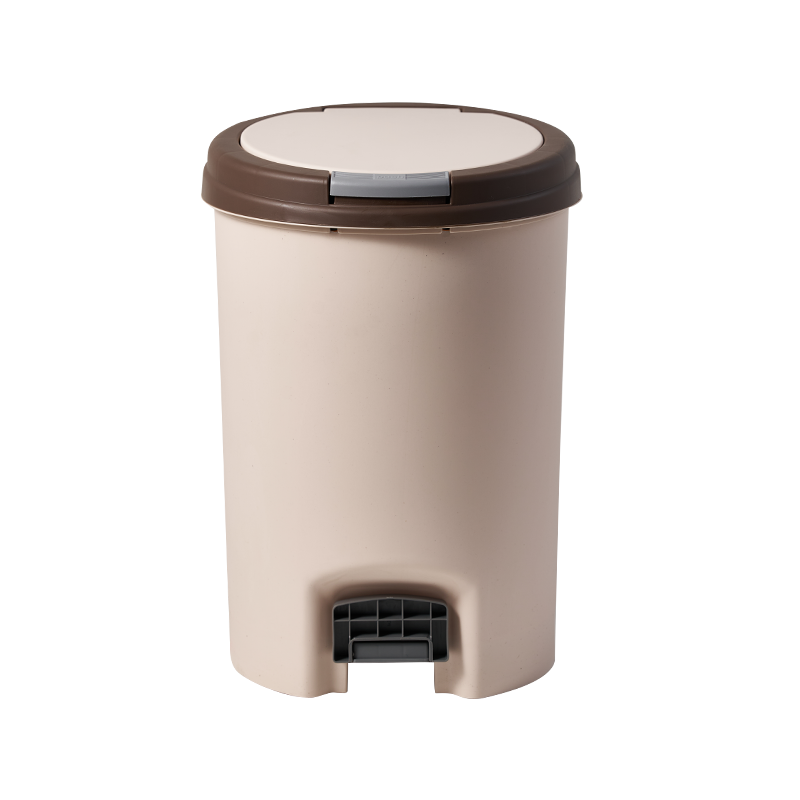
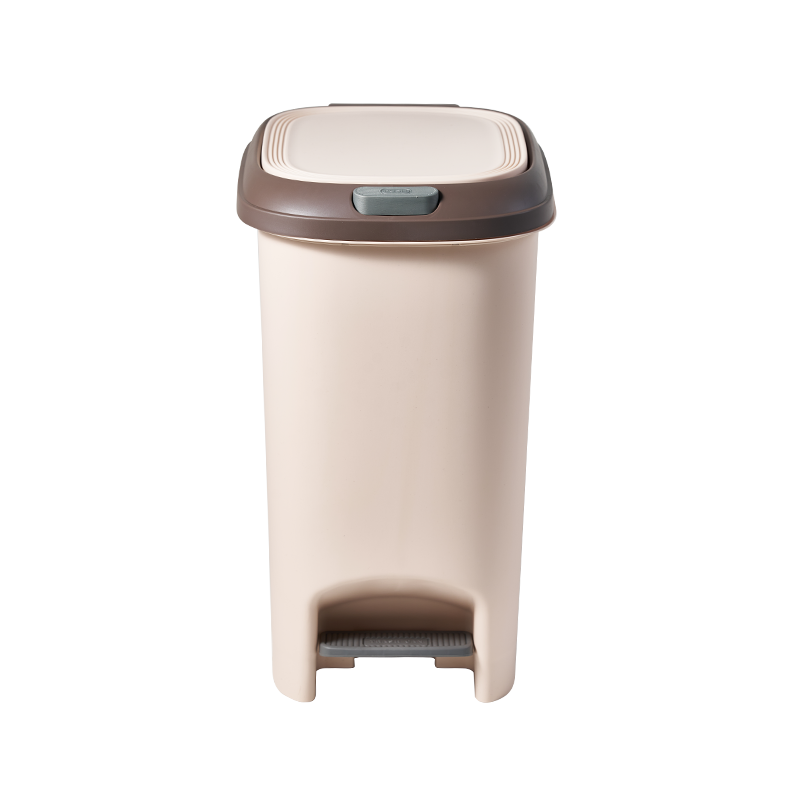
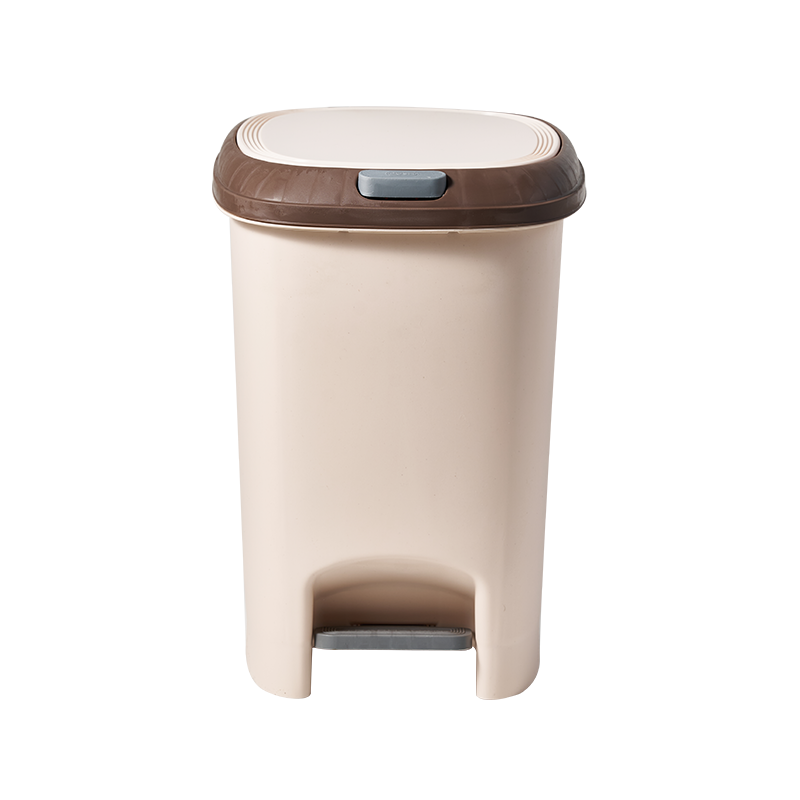
People open a trash bin dozens of times a day and rarely think about the lid. In kitchens, bathrooms, offices, and shared rooms, a lid that slams shut adds noise and can startle anyone nearby. Soft-close design addresses this problem. On a Plastic Trash Bin with Pedal , the user steps to lift the lid, and the lid lowers itself gently once the foot is released.
Plastic is a common choice for bin production because it takes many shapes and finishes and is easy to handle at home. A controlled closing mechanism adds comfort, yet it also raises design questions. Lid, pedal, linkage, and damping part must be built to cooperate.
Whether the feature suits a particular bin depends on the room, the bin's structure, and what users expect. A kitchen container needs quick access while someone is cooking. A bathroom bin often calls for quiet use and a small footprint. Seeing these differences helps buyers and manufacturers judge the feature with care.
What Does Soft-Close Design Mean in a Plastic Pedal Trash Bin?
Soft-close design slows the lid as it approaches the closed position. When the user lifts a foot off the pedal, the lid does not fall freely. It descends at a steady, controlled pace.
In a conventional pedal bin, pressing the pedal raises the lid through a linkage. Releasing the pedal lets the lid drop, and depending on the design it may hit the bin body quickly.
A soft-close mechanism manages that return. The lid settles with less impact, which cuts sudden noise and makes the movement feel smoother.
Plastic products benefit in a particular way. A plastic lid is light, but repeated contact with the body still produces a sharp sound. Controlled closing softens the meeting of those two surfaces.
Do not mistake this for a lid that closes slowly because it is loose or unbalanced. A proper soft-close structure uses a designed movement system, so the lid behaves the same way each time.
For manufacturers, the closing mechanism belongs in the plan for the whole product. Treating it as a late accessory tends to cause fit problems.
Why Do Users Choose Soft-Close Pedal Bins?
Everyday comfort drives most of the interest. A bin gets opened and closed many times during routine chores, and a sharp knock on each use grows irritating.
In a kitchen, people are cutting vegetables, washing dishes, or wiping counters. The pedal lets them open the bin without touching the lid, and a gentle close adds comfort after the waste goes in.
Bathrooms are small and enclosed, so sound carries further. A soft-close lid makes the space more pleasant, especially where several people share one bathroom.
Offices and shared areas have other needs. Colleagues working nearby can be disturbed by a sudden bang, so a controlled return makes disposal less intrusive.
The table below sets out the benefits across common settings.
| Usage environment | User need | Potential value of soft-close design |
|---|---|---|
| Home kitchen | Convenient access during cooking | Reduces sudden lid movement |
| Bathroom | Comfortable use in a small room | Helps limit closing noise |
| Bedroom | Less disturbance during daily use | Supports quieter operation |
| Office | Shared use near work areas | Makes lid movement less distracting |
| Hotel room | Convenient waste disposal for guests | Provides a more controlled user experience |
| Shared facility | Frequent access by different users | Supports a consistent closing experience |
The feature also shapes impressions. A lid that glides down makes the bin seem carefully made. Real satisfaction still depends on mechanism quality, lid structure, and upkeep.
How Does Plastic Material Affect Soft-Close Performance?
Plastic gives manufacturers room to work. Body forms, lid profiles, and pedal structures can all be shaped to suit different rooms and uses.
Still, plastic parts do not all behave alike. The body, lid, pedal, and internal supports have different structural needs. A lid that flexes too much can move unevenly, and a weakly supported pedal can change how the opening mechanism responds.
Lid weight matters too. The mechanism has to work with the way the lid moves. An unbalanced lid makes the closing action feel uneven, and a mismatched mechanism may leave the return too slow or unfinished.
A Plastic Bottle Trash Bin shows how plastic container design serves other collection needs. A bottle collection bin and a household pedal bin usually have different lids and openings, so the soft-close arrangement should be chosen for the actual product rather than copied across.
Surface finish affects looks and cleaning, but it has little to do with how well the lid closes. The internal structure and the link between pedal and lid decide that.
During development, manufacturers should weigh material choice against mechanical movement. A well-judged plastic structure supports the mechanism and keeps the bin practical day to day.
Which Parts Need to Work Together?
A soft-close pedal bin is a group of linked parts. If one is misaligned or slow to respond, the lid cannot run smoothly.
The pedal is where the user makes contact. It should sit where a foot naturally lands, and pressing it should raise the lid without awkward posture.
The connecting structure carries movement from pedal to lid and shapes both opening and return. A loose or poorly fitted link lets the lid wobble or move unevenly.
The soft-close mechanism governs the closing motion. It has to suit the lid and the opening structure, add no needless resistance when the pedal is pressed, and let the lid return without stopping short.
The lid itself plays a part as well. Its shape, weight, and connection points affect the motion, and a stable hinge area keeps it aligned through repeated use.
| Component | Main function | Design consideration |
|---|---|---|
| Foot pedal | Opens the lid without hand contact | Comfortable position and movement |
| Connecting structure | Transfers pedal movement to the lid | Stable connection and alignment |
| Soft-close mechanism | Controls the return movement | Consistent closing action |
| Lid | Covers the bin opening | Suitable weight and support |
| Hinge area | Guides lid movement | Stable attachment and smooth movement |
| Bin body | Supports the complete structure | Suitable shape and overall stability |
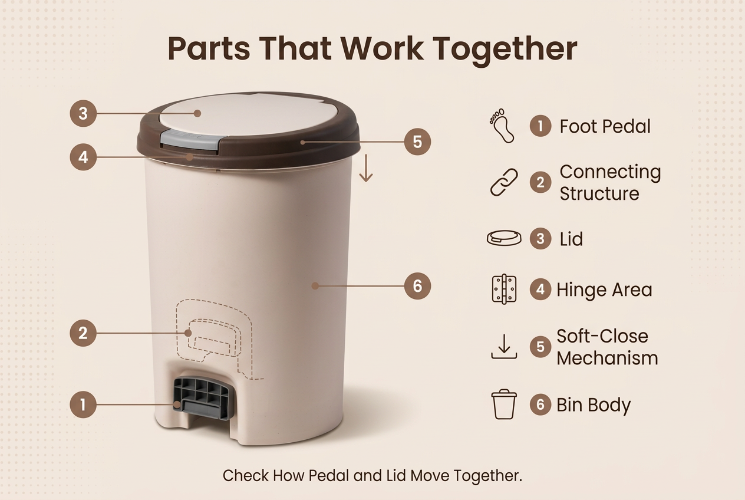
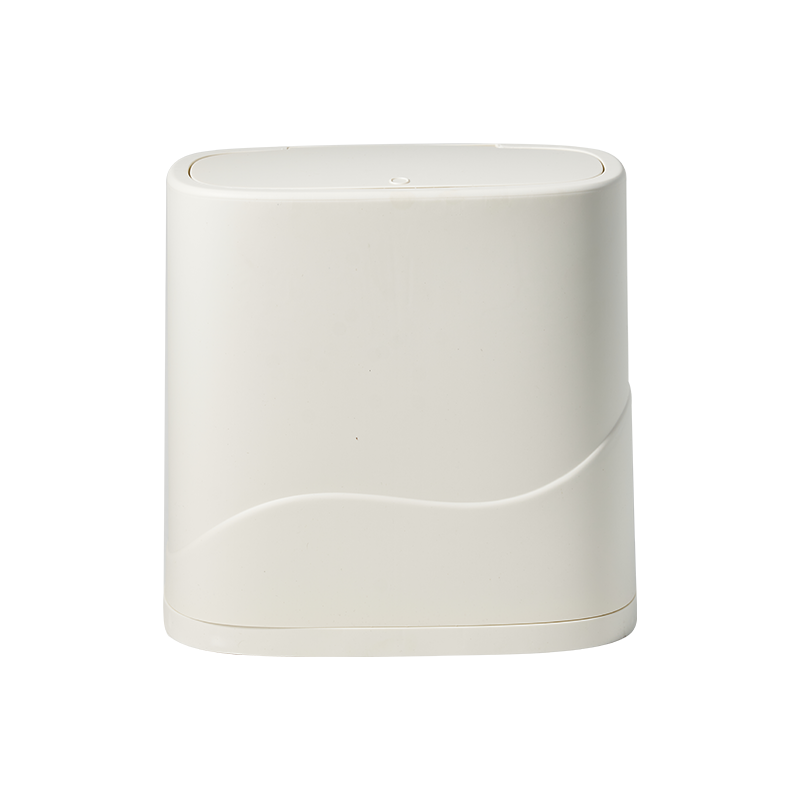
A Cream Trash Can may use soft-close design as part of a coordinated home look. Its color and finish help it settle into kitchens, bathrooms, and other interiors. Appearance should not distract from the internal structure, so buyers should check how the pedal and lid work as well as how the bin looks.
Is Soft-Close Design Suitable for Different Household Spaces?
Suitability depends on where and how the bin is used. Each room has its own expectations for access, cleaning, capacity, and style.
Kitchen Use
Kitchens are busy, and waste often goes in while food is being prepared. A pedal lid keeps hands free, which helps when handling packaging or cleaning supplies.
A soft-close lid removes the sudden drop after the pedal is released, so repeated use feels easier. The opening should still take larger items and routine kitchen waste.
Cleaning deserves a thought. Food residue gathers around the lid or opening, so the mechanism should not leave gaps that are hard to reach.
Bathroom Use
Bathrooms usually offer little floor space. A compact pedal bin with soft-close movement allows convenient disposal without touching the lid.
A smaller lid is often easier to control, but the bin still needs a stable base and a workable opening. Moisture is another concern, so follow the cleaning instructions and keep internal parts away from water unless the design allows it.
Bedroom and Living Areas
In bedrooms and living areas, looks often guide the choice. A Cream Trash Can blends with light furniture, neutral walls, or simple interior styles.
Soft-close movement suits these rooms because lid noise stands out in a quiet space. The bin should open easily without anyone shifting nearby furniture.
Offices and Shared Spaces
Shared spaces see frequent use by different people. The pedal and lid should be clear to use without instructions.
A soft-close mechanism supports a controlled closing experience. Bins in busy settings should also be checked for maintenance access and the condition of moving parts.
What Should Buyers Check Before Choosing a Soft-Close Plastic Trash Bin?
A soft-close label does not describe the whole product. Buyers should look at the overall structure and ask whether the feature fits their use.
A useful evaluation covers several points.
- Check the lid movement. The lid should open through the pedal without unusual resistance and return in a controlled manner.
- Review the pedal position. Make sure it is easy to reach and comfortable to press.
- Inspect the connection area. Look at how the pedal, lid, and internal parts are joined.
- Consider the bin location. A kitchen, bathroom, and office may need different shapes and opening arrangements.
- Check cleaning access. The lid and surrounding areas should be practical to wipe and maintain.
- Review the material and finish. Consider whether the exterior suits the environment and cleaning routine.
- Understand replacement and care options. Ask whether the manufacturer offers guidance for maintaining the moving parts.
Think about who will use the bin. A household with children may value a simple pedal and a stable body. An office may need a design that can be cleaned without frequent moving.
A Plastic Trash Bin with Pedal suits many daily settings, provided the soft-close feature matches the lid structure and expected use. The mechanism should support the purpose of the bin instead of complicating opening and closing.
When sourcing, ask suppliers how the lid, pedal, and closing mechanism relate. Product photos show the exterior well, but they seldom reveal how the inside works.
How Can Manufacturers Maintain Consistent Product Quality?
Soft-close performance depends on design, assembly, and inspection together. Manufacturers should look at the full movement path instead of checking each part alone.
The pedal should move smoothly and return properly. The lid should stay aligned with the body through opening and closing, and the soft-close mechanism should respond evenly without odd noise or interruption.
Assembly counts as well. Badly fitted connecting parts make the lid move unevenly, and loose joints affect the user experience, so inspection should look for them.
A practical quality check can include:
- Checking whether the pedal moves freely.
- Observing whether the lid opens without catching.
- Confirming that the lid returns in a controlled way.
- Inspecting the hinge and connecting parts.
- Checking whether the lid sits properly when closed.
- Reviewing the exterior for marks or assembly issues.
- Confirming that the product can be cleaned according to its care instructions.
Consider how the bin behaves after repeated daily use too. Assess the mechanism inside the assembled bin, since the interaction between parts shapes the overall movement.
Packaging needs care. In storage and transport, pressure on the lid or pedal can disturb the assembled structure, and suitable internal support keeps the product steady in its carton.
For a Plastic Bottle Trash Bin or a pedal-operated household container, packaging should follow the shape and moving parts. A bin with an attached lid may need support around the upper section, and loose accessories should be packed so they do not slide around the box.
Clear care instructions help customers clean the bin and avoid forcing the pedal. This is useful when internal parts should stay away from direct water or cleaning chemicals.
Soft-Close Design Should Match the Product's Intended Use
Soft-close design suits plastic pedal trash bins when the mechanism fits the lid, pedal, and body structure. It reduces sudden lid movement and supports a more comfortable experience in kitchens, bathrooms, offices, and shared spaces.
The feature should still be judged with other details in mind. Material choice, lid balance, pedal position, cleaning access, and packaging all shape how the bin performs in daily use.
For suppliers and product developers, the design process should start from the needs of the intended users. A compact bathroom bin may need a different arrangement from a larger kitchen container, and a decorative Cream Trash Can has to balance appearance with practical operation.
If you are sourcing or developing plastic pedal trash bins, our team can help you discuss product structure, soft-close options, material selection, color requirements, and packaging arrangements. Contact us with your target application and product preferences to explore a suitable solution for your market.
 Previous