English
 Español




A kitchen can look spotless and still smell like last night’s fish. Most of the time the culprit sits quietly in the corner. A Covered Trash Can helps, but a lid only hides and contains what is inside. It does not stop food from breaking down. What it can do, especially when paired with a pedal and an easy-to-wash plastic body, is make daily waste handling cleaner and less annoying.
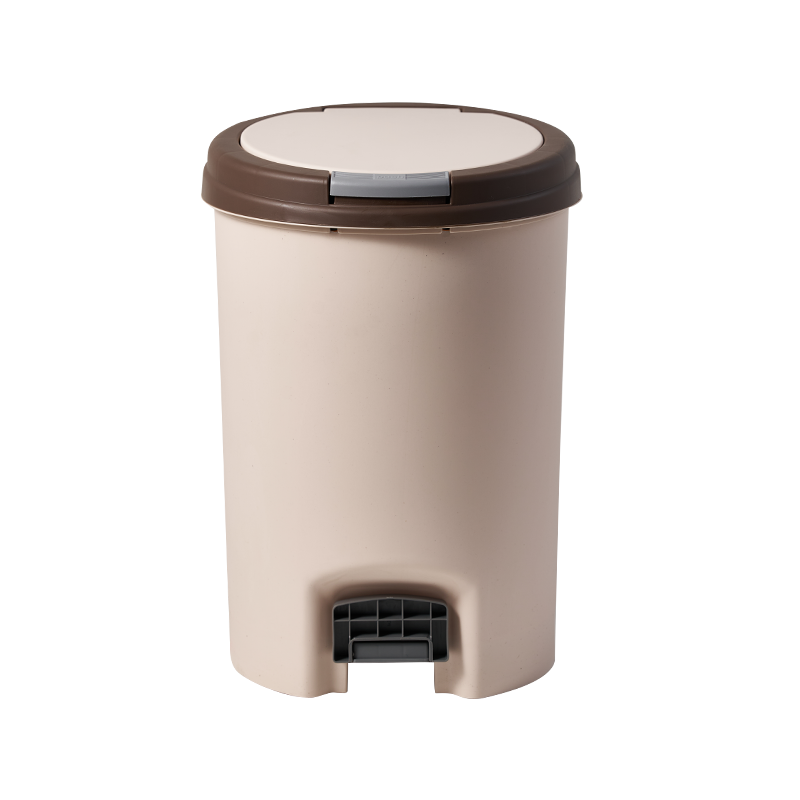
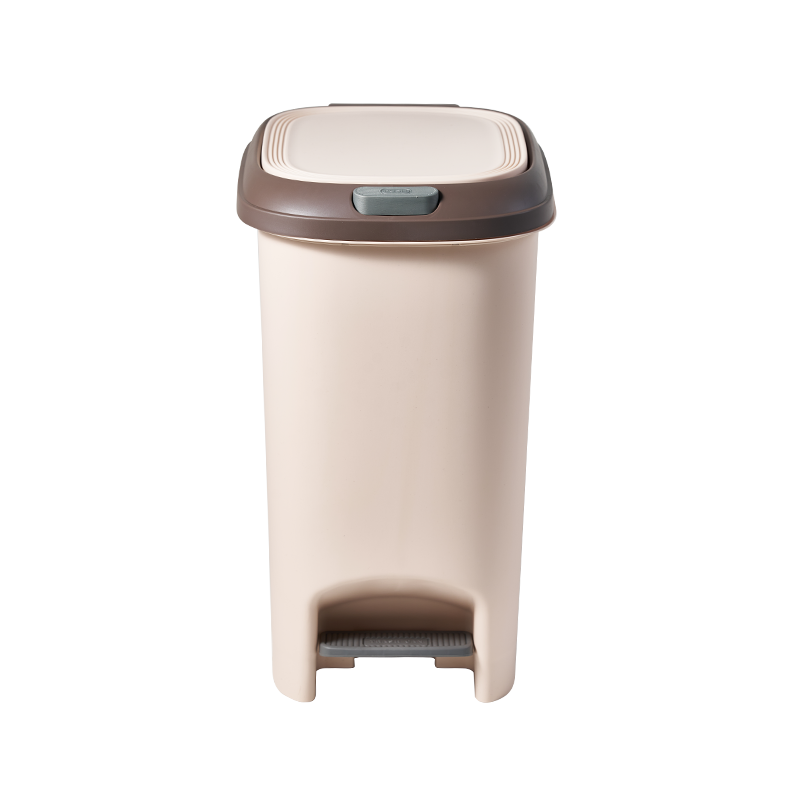
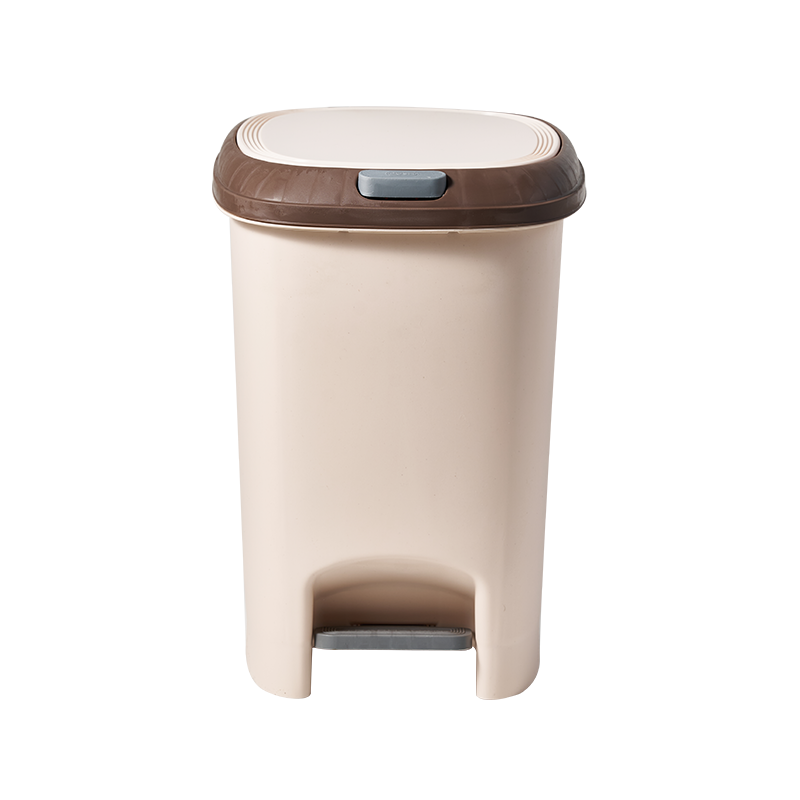
Kitchens now double as dining rooms and gathering spots, so a bin that smells or needs a greasy hand on the lid gets noticed fast. A Plastic Trash Bin with Pedal addresses both problems: the cover keeps waste contained, and your foot does the opening. The details of lid fit, material and cleaning habits decide how well that works in practice.
Where Trash Can Odors Come From
Smells rarely appear for no reason. Discarded food breaks down, moisture collects, and small amounts of residue stay behind. Even when the bag looks intact, liquid and crumbs can slip around its edges and settle underneath.
Food Waste
Meat trimmings, fish packaging, dairy, fruit peels and vegetable ends all smell as they decompose. Mix several of them in one bin and the problem multiplies, because wet items leak and sticky scraps cling to the walls. Tying the bag tightly does not stop the odor from leaking out over time.
Moisture
Wet paper towels, dripping packaging and leaky bags leave liquid at the bottom. Once it reaches the plastic, swapping the bag will not fix it. Common triggers include:
- tossing wet scraps straight into the liner,
- throwing away containers that still hold liquid,
- using bags that do not fit the rim,
- changing the bag without checking underneath.
Missed Cleaning Spots
A fresh liner does not mean a clean bin. The underside of the lid, the inner rim, the corners and the area around the pedal collect grime that most people never look at. A quick routine fixes this: remove the bag and check the bottom for leaks, wipe the walls and rim, clean the lid underside and hinges, wipe the pedal and outside, then let everything dry before adding a new liner.
Does a Lid Really Help?
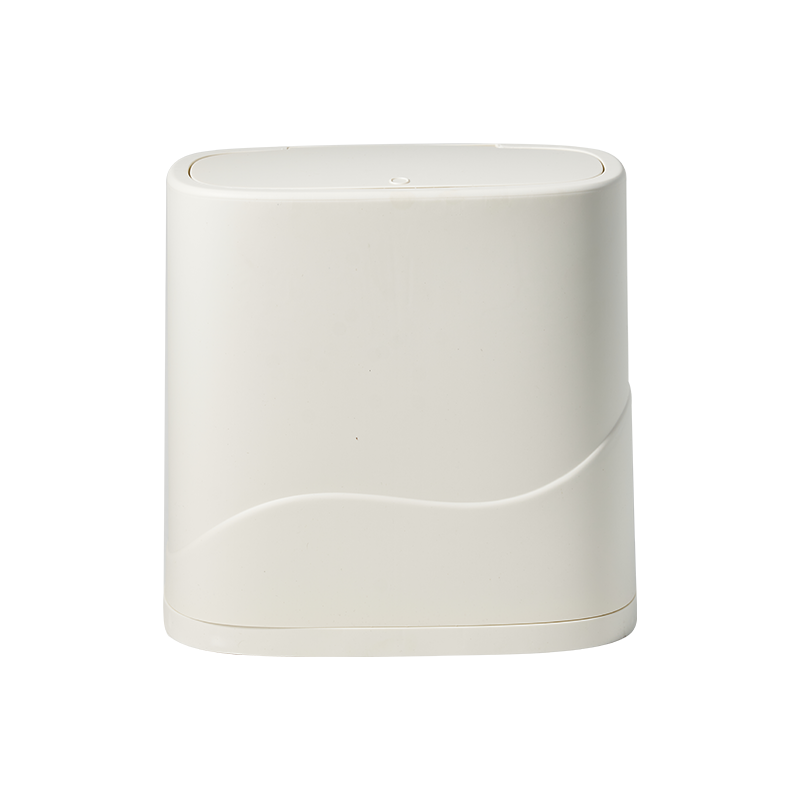
Yes, within limits. A Covered Trash Can puts a physical barrier between the waste and the room, which noticeably reduces how far smells travel in a kitchen or bathroom. It also keeps scraps and used tissues out of sight.
The limit is that containing an odor is not removing it. Food keeps decomposing under a closed lid, and the smell that built up inside can hit you the moment you lift the cover. Think of the lid as containment, not a cure.
| Feature | Covered bin | Open bin |
|---|---|---|
| Odor spread | Limited | Moves freely into the room |
| Visibility | Waste hidden | Waste exposed |
| Appearance | Tidier | Often cluttered |
| Access | Lid must be opened | Direct |
| Cleaning | Lid and interior | Interior only |
Fit matters too. A lid that sits crooked or never quite closes leaves gaps for odors to escape. Check that it sits evenly, closes without fuss, and is easy to wipe around the edges.
What Makes a Covered Bin Work Well
Lid Design
It should open easily, return to closed on its own, and wipe clean, since splashes and fingerprints build up fast. People also leave a lid open less often when closing it takes no effort.
Plastic Body
Plastic is light, so you can slide the bin aside to mop. A smooth interior makes it simpler to wash away residue, as long as you actually do it. Look for a stable shape, a lid you can clean and an opening that suits common bag sizes. The material alone never prevents odors; habits do.
Capacity
A small bin needs frequent emptying, while a very large one tempts people to leave food waste sitting too long.
| Situation | What to consider |
|---|---|
| Small kitchen | Compact shape, easy placement |
| Family kitchen | Capacity for daily cooking |
| Bathroom | Small size, easy access |
| Frequent cooking | Easy cleaning, regular bag changes |
Why Add a Pedal?
A Plastic Trash Bin with Pedal combines a closed container with foot-operated opening. Picture yourself mid-dinner prep with hands full of peelings and a greasy plate. Reaching for a lid means touching a surface you will have to clean later. With a pedal, you step, drop the waste in, and the lid closes behind you.
It helps most when you are:
- preparing vegetables and clearing scraps,
- handling raw-ingredient packaging,
- clearing plates after a meal,
- carrying trash in from another room.
A pedal does not kill bacteria or remove smells, but it cuts down contact with the lid during ordinary use. The closed body also keeps waste out of view, which matters in open-plan homes where the kitchen faces the dining area.
The pedal itself needs care. Crumbs and dust gather around the mechanism, especially near the stove. Wipe it with a damp cloth and keep excess water out of moving parts so it keeps working smoothly.
Covered, Pedal or Metal?
Different bins suit different habits. A covered bin works for people who want waste out of sight. A manual lid is fine in a spot used now and then, but it gets awkward when your hands are busy.
| Manual-lid bin | Pedal bin |
|---|---|
| Opening | By foot |
| By hand | Reduced |
| Usually needed | Good with busy hands |
| Depends on lid | Lid and pedal |
| Cooking convenience | Upkeep |
Plastic and metal also differ. Plastic is light, easy to move and comes in many shapes. Metal often feels heavier and its care depends on the finish.
| Plastic | Metal |
|---|---|
| Weight | Often heavier |
| Light | Depends on finish |
| Surface care | Easy |
| Usually simple | More effort |
| Moving it | Finish-specific care |
| Easy | Wash and dry |
Neither stops odors on its own. Lid fit and cleaning habits count more than the material.
Keeping It Clean
Empty It on Time
Do not wait until the bag is full. Take it out when food scraps start to smell, when liquid is leaking, when wet waste has piled up, or when the lid will not close properly.
Wash the Interior and Lid
Every time you remove a bag, look at the bottom. Even a small leak leaves residue. Wash with water and mild cleaner, wipe the rim and lid, pay attention to corners and hinges, and dry the bin before inserting a new liner. Skip abrasive scrubbers that scratch plastic, and never mix cleaning chemicals.
Use Bags That Fit
A bag that is too small slips inside; one that is too large bunches around the opening and blocks the lid. A good liner grips the rim, resists tearing and lifts out easily.
Handle Wet Waste Carefully
Drain excess liquid, wrap very wet items, and keep strong-smelling scraps separate from dry trash. These small steps keep residue out of the bin.
Where to Put It
A bin that is awkward to reach invites people to leave trash on the counter.
In the Kitchen
A Covered Trash Can works best near the prep area or beside a cabinet. Leave room for the lid to open, keep it away from heat, and avoid spots where the lid bumps a cabinet door or furniture blocks the pedal.
In the Bathroom
A compact covered bin keeps tissues and packaging out of sight and fits beside a vanity without blocking movement.
In Living Areas or a Home Office
A covered design hides drink packaging and snack wrappers between uses, and a tidy exterior blends in with the room.
Choosing the Right One
Think about how your household really uses a bin before you look at colors.
- Size and habits: how many people, mostly food waste or general trash, how often you can change the bag.
- Lid and pedal: the pedal should move smoothly, the lid should open without effort and return to closed, and the mechanism should be easy to reach for cleaning.
- Cleaning: smooth interior, easy access to the bottom, a wipeable lid and a stable base.
- Space: measure with the lid open, not just closed. A bin that fits neatly can become a nuisance if the lid hits a countertop.
| Factor | What to check | Benefit |
|---|---|---|
| Capacity | Matches daily waste | Convenient disposal |
| Material | Light, easy to clean | Simpler upkeep |
| Lid | Stable fit, smooth closing | Better containment |
| Pedal | Comfortable action | Less hand contact |
| Interior | Smooth, reachable | Easier washing |
| Bag fit | Secure liner | Less leakage |
When comparing a Plastic Trash Bin with Pedal, imagine it after months of daily use. A bin you will actually keep clean and that you open without thinking about it will do more for your kitchen than one that merely looks good on the shelf.
 Previous