English
 Español



Waste disposal shows up in almost every daily routine, whether someone's clearing food scraps in a kitchen or tidying a shared office space. The task seems simple on the surface, but how a bin opens and closes actually shapes how people handle waste and keep their surroundings in order.
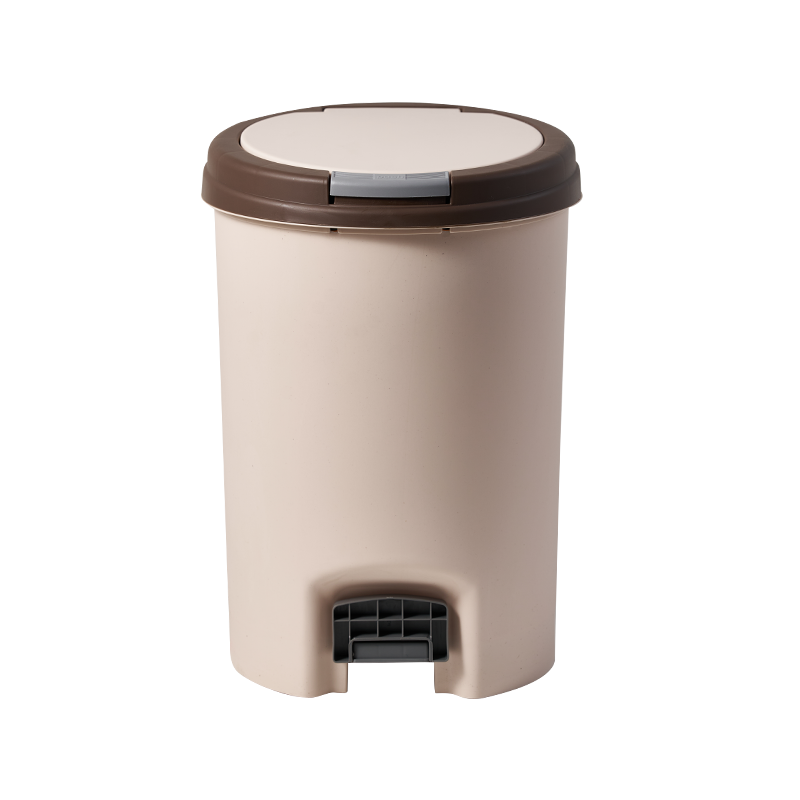
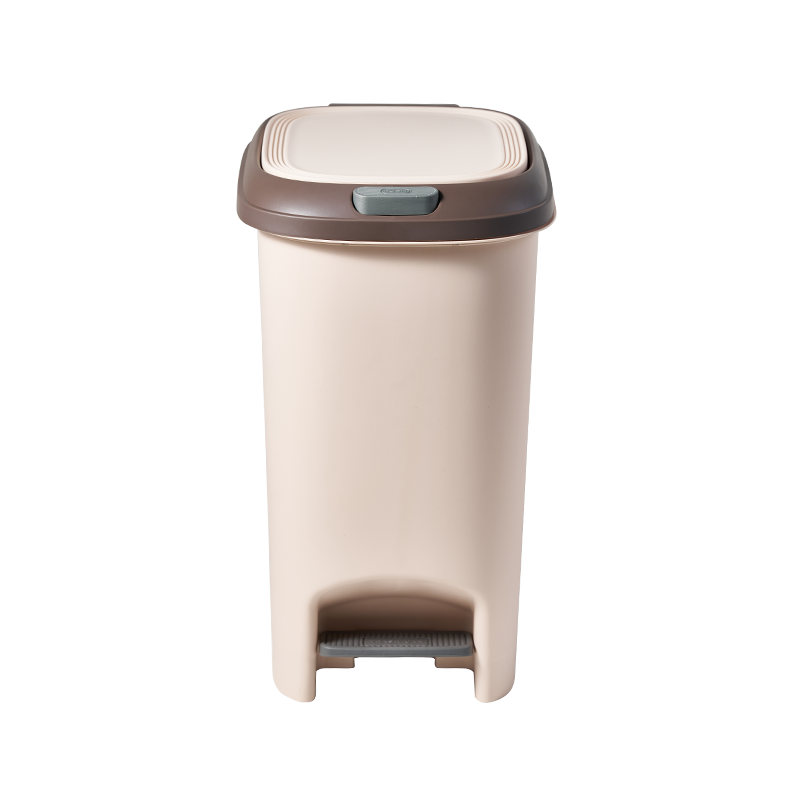
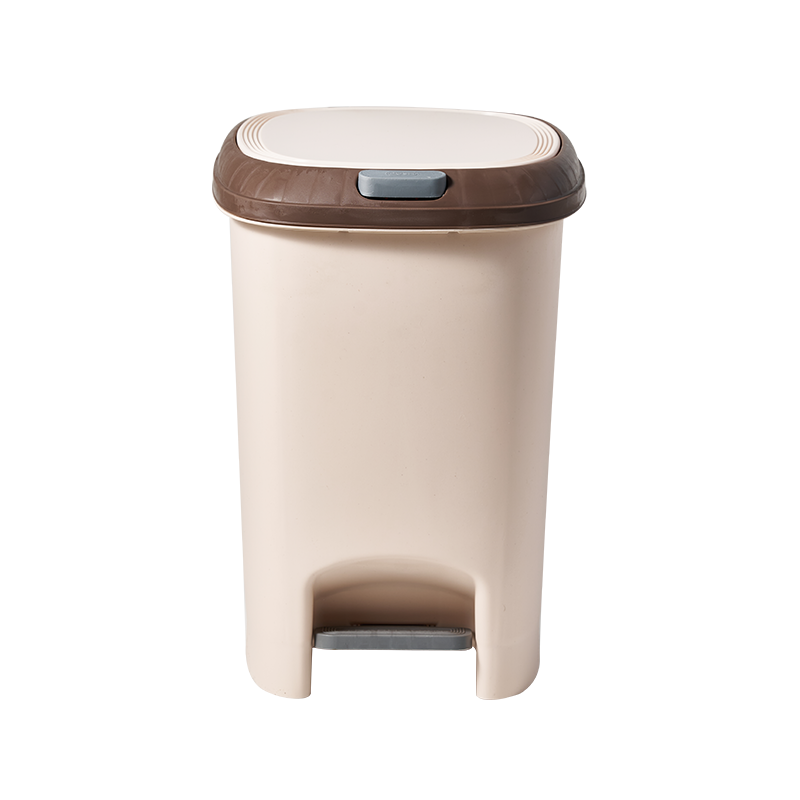
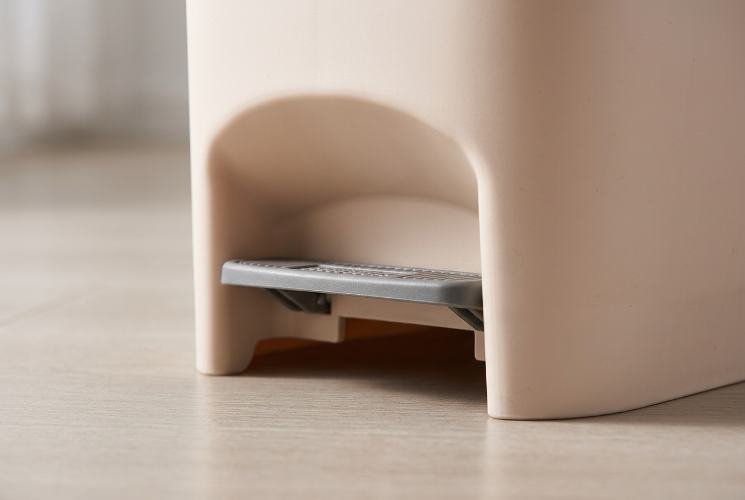
A pedal-operated bin makes this routine a bit easier to manage. Instead of lifting a lid by hand, users press a foot pedal to open the container and let it close once they're done. This small shift cuts down on direct contact with the lid, which matters in places where people are already handling food, cleaning supplies, or other items passing through their hands all day.
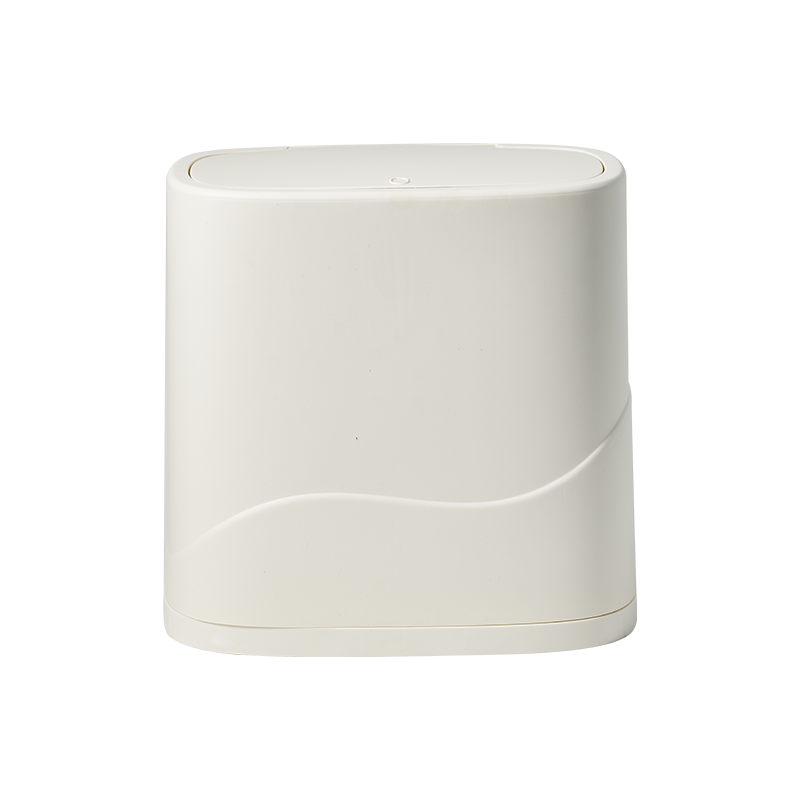
A plastic trash bin with a pedal pairs this hands-free opening with a lightweight container that fits into most indoor settings. Its usefulness still depends on more than the pedal alone, though. Lid structure, container shape, cleaning demands, and where the bin actually sits all factor into how well it fits daily waste habits.
Why Does Hands-Free Waste Disposal Matter?
People often reach for a bin while their hands are already full. In a kitchen, one hand might hold food scraps while the other's busy chopping vegetables. In an office, someone might be carrying packaging or wiping down a shared desk. Stopping to grab a lid in these moments interrupts the task and adds unnecessary contact with the bin's surface.
A pedal mechanism gives people another way to handle that movement. They open the bin with a foot, drop the waste in, and let the lid swing shut without touching it. This matters in home kitchens during meal prep, in offices where staff discard packaging throughout the day, in restaurants where workers juggle food handling and cleanup, and in retail spaces where employees deal with a steady stream of rubbish.
The pedal doesn't replace regular cleaning or sensible waste handling, though. It's a practical feature supporting those habits rather than standing in for them.
How Does a Plastic Trash Bin With Pedal Work?
A pedal bin runs on a foot-operated mechanism tied to the lid. Press the pedal, and the lid lifts into an open position so waste can go in. Let go, and the lid typically swings back shut through whatever mechanism the product uses internally.
| Component | Function |
|---|---|
| Container body | Holds waste and provides storage space |
| Foot pedal | Opens the lid without hand contact |
| Lid | Covers the opening and contains waste |
| Opening mechanism | Links pedal movement to lid movement |
| Inner bucket (where included) | Eases bag removal and cleaning |
Not every model uses the same internal setup. Some include a removable inner bucket that makes bag changes simpler, while others stick with a plainer container design. Buyers should weigh how each feature plays into daily use rather than assuming every pedal bin behaves the same way on the shelf.
Why Is the Lid Important for Hygiene?
A lid does more than sit on top of a bin. It separates waste from the room around it and limits how much rubbish stays visible day to day. When closed properly, it can also help contain odors somewhat, though that outcome still hinges on the waste type, how well the lid fits, and how often someone actually empties the bin.
A plastic trash bin with a lid works well in kitchens, where it keeps food scraps out of view and helps the counter feel less cluttered. In an office, a covered bin simply looks tidier than an open one stuffed with discarded wrappers. The lid's design should match how the bin gets used, since one that opens smoothly makes frequent disposal less of a chore, while one that closes reliably keeps that separation intact between uses.
A closed lid still doesn't make a bin airtight, and it won't erase every hygiene concern on its own. Waste needs clearing out on a routine basis, and both the inside and outside surfaces need wiping down with something suitable.
Can a Covered Trash Can Help Control Odors?
An open bin leaves its contents visible and lets smells drift freely into the room. That might be fine for dry waste, but it becomes a real nuisance once food scraps or similar materials start producing odors nobody wants lingering around.
A covered trash can keeps contents out of sight and puts a barrier between the waste and the surrounding space. That barrier helps kitchens, break rooms, and customer-facing areas feel more put-together day to day. Food waste sitting too long can still smell even with the lid shut, though, and a poorly fitted cover can let odors slip out while residue builds up around the rim.
Odor control, in practice, comes down to pairing a decent lid with regular emptying, timely bag changes, and routine cleaning. The cover supports those habits, but it can't substitute for skipping them.
How Can Pedal Operation Reduce Contact With Shared Surfaces?
Different people touch the same bin throughout a working day, often brushing against the lid, rim, or body while tossing something out, especially when the lid requires manual lifting. A pedal design changes that part of the routine by letting users open the lid with a foot instead of a hand, which cuts down contact with a surface that gets touched constantly in shared kitchens and staff rooms.
This benefit has real limits, though. A pedal bin doesn't stop every form of contamination, since people still touch other parts of the container or come into contact with the waste itself. The pedal picks up dirt too and needs including in routine cleaning rather than getting overlooked because it's not the lid.
What Makes Plastic Practical for Pedal Bins?
Plastic shows up often in household and commercial bins because it molds into different shapes and stays reasonably easy to move around. A plastic body suits spaces where bins get repositioned during cleaning or shuffled around as room layouts change.
| Feature | Practical Benefit |
|---|---|
| Surface finish | Smooth surfaces wipe down more easily |
| Body shape | Fits corners or beside work surfaces |
| Handling | Manageable weight eases moving during cleaning |
| Structural stability | Base suits the floor and pedal use |
| Material care | Compatible with standard cleaning products |
Plastic doesn't automatically suit every environment on its own, though. Construction quality and care requirements deserve weighing alongside the material itself, especially in spaces seeing frequent use throughout the day.
How Should Buyers Choose a Kitchen Pedal Bin?
Kitchen waste often mixes food scraps, wrappers, and packaging generated during meal prep. The bin needs sitting somewhere accessible without blocking movement around counters and cupboards. A pedal design helps here since users don't need setting down an item just to open the lid mid-task.
Placement matters as much as the mechanism itself. A bin crammed too close to a cabinet can stop the lid from opening fully, while one sitting in a busy walkway gets in everyone's way. Food residue tends to collect around the rim and under the lid too, so a design allowing access to those spots during cleaning makes upkeep less of a hassle.
How Can Pedal Bins Support Offices and Retail Spaces?
Offices and retail spaces generate waste steadily — paper, cups, packaging — near desks, counters, and staff areas throughout the day. A pedal bin gives people a convenient disposal point without needing to handle the lid, which helps where staff are often carrying things or moving between tasks.
| Environment | Practical Consideration |
|---|---|
| Individual office | Compact size, convenient placement |
| Shared break room | Easy cleaning, regular collection |
| Retail counter | Neat appearance, staff access |
| Meeting area | Covered storage, suitable footprint |
Businesses also need factoring waste collection into their cleaning schedule. A bin that's easy opening but awkward to empty just creates extra work for whoever handles cleanup, so a removable liner or accessible inner bucket helps simplify that step.
What Should Commercial Kitchens Consider?
Commercial kitchens need frequent disposal during prep, cooking, and cleaning, often with staff juggling ingredients and cleaning materials at once. A pedal bin cuts down on lid contact during that routine, provided it sits somewhere staff can reach without crossing busy work areas.
Waste streams differ too — food scraps, packaging, and general rubbish may call for separate collection under a facility's own procedures. One bin shouldn't get assumed suitable for every stream, particularly where workplace hygiene rules specify different handling for each.
How Should Pedal Bins Be Cleaned and Maintained?
Even with a covered lid and hands-free opening, upkeep still matters. Residue collects inside the container, around the lid, and near the pedal, while frequent use leaves marks on the outside over time.
Useful habits include emptying the bin before waste piles up, wiping the inner surface with something suited to the material, cleaning the lid and rim where dirt tends to gather, and including the pedal itself in the routine rather than skipping it. Checking the opening mechanism occasionally for damage helps catch problems before they affect normal use, and letting the container dry properly readies it for the next round.
What Should Buyers Compare?
Appearance can influence a purchase, but practical fit should stay front and center. Buyers need considering where the bin will sit, how often it gets used, what waste it'll hold, and who's responsible for emptying it. Useful questions include whether the container fits the available space, whether the pedal presses comfortably, whether the lid opens and closes predictably, and whether the interior stays accessible for cleaning.
These questions help buyers judge the whole product rather than fixating on one feature. A sound choice supports the daily disposal habit, fits the space it's going into, and stays manageable for whoever ends up maintaining it.
 Previous