English
 Español



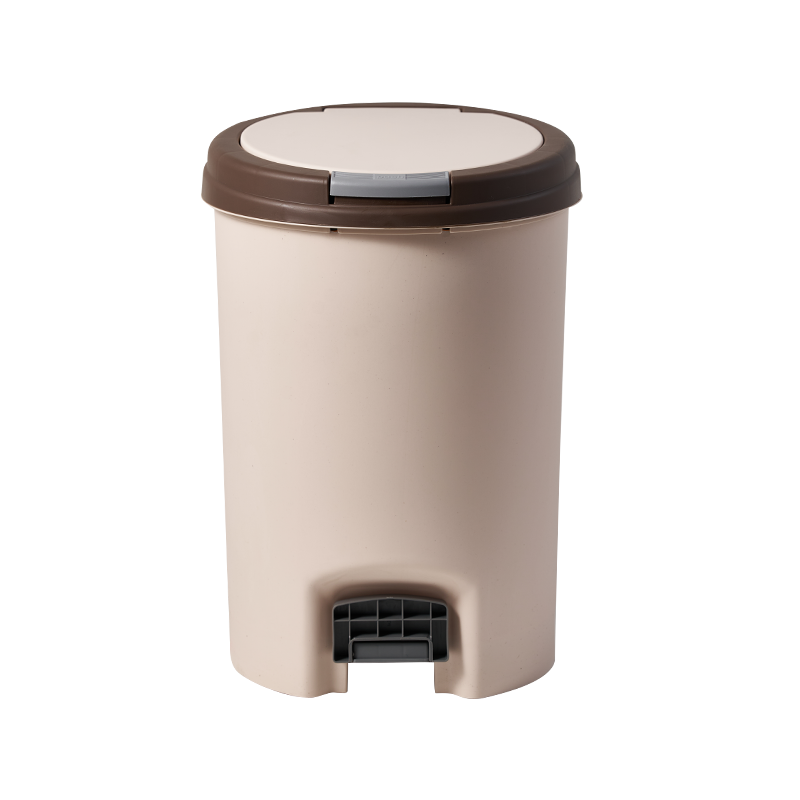
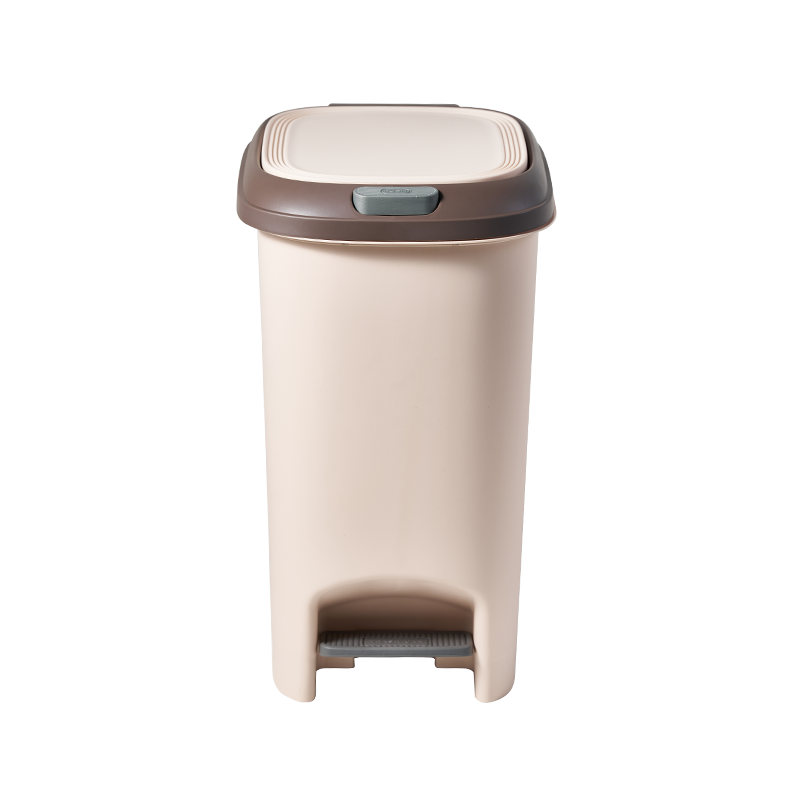
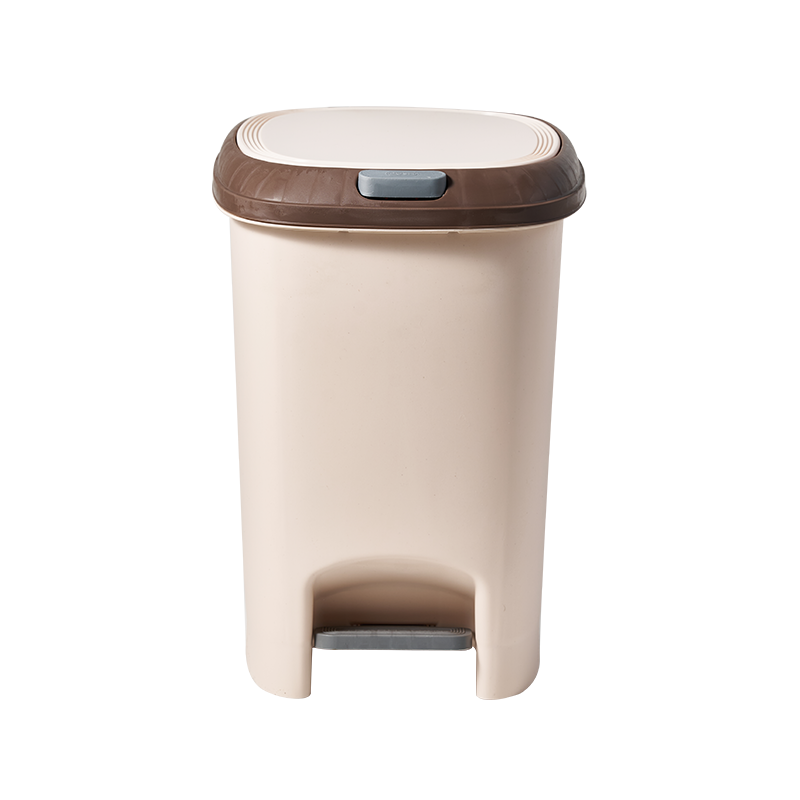
Keeping a home or workplace clean often depends on small daily habits, and the way people dispose of waste can genuinely influence how easily those habits get maintained over time. A Plastic Trash Bin with Pedal offers a simple hands-free approach because users can open the lid with a foot, rather than touching the bin directly every time.
This design can prove useful in kitchens, bathrooms, offices, clinics, restaurants, and other areas where people regularly handle food, cleaning materials, or personal items throughout the day. The value of a pedal-operated bin isn't limited to convenience alone, because reducing direct contact with the lid can also make waste disposal feel genuinely cleaner and easier to manage throughout a busy day.
Why Does Hands-Free Waste Disposal Matter?
Traditional trash bins often require users to touch a lid, swing mechanism, or container surface before placing waste inside. This may seem like a small action on its own, but household and commercial waste disposal happens repeatedly throughout the day, so the same contact point ends up used by many people during normal activity.
A pedal system changes this routine by allowing the user to operate the lid with a foot, while keeping both hands free for whatever waste is being handled at that moment.
| Daily Situation | Pedal Bin Advantage |
|---|---|
| Preparing food | Reduces hand contact with the lid |
| Cleaning a bathroom | Allows disposal without touching the bin |
| Handling used tissues | Provides hands-free access |
| Workplace use | Makes shared disposal more convenient |
| Commercial cleaning | Supports a more organized disposal routine |
This approach can prove particularly practical in spaces where users want to avoid touching shared surfaces unnecessarily throughout their day. The benefit comes from changing a familiar movement, rather than adding a complicated procedure to everyday waste disposal.
How Can a Pedal Reduce Direct Contact?
The pedal creates a physical separation between the user's hand and the opening mechanism itself. Instead of reaching toward the lid, the user presses the pedal and allows the lid to open through the connected mechanism underneath.
This can help reduce the number of times people touch the upper surface of the bin during ordinary use throughout a day. A Plastic Trash Bin with Lid can therefore become genuinely more practical when the lid can get operated without direct hand contact each time.
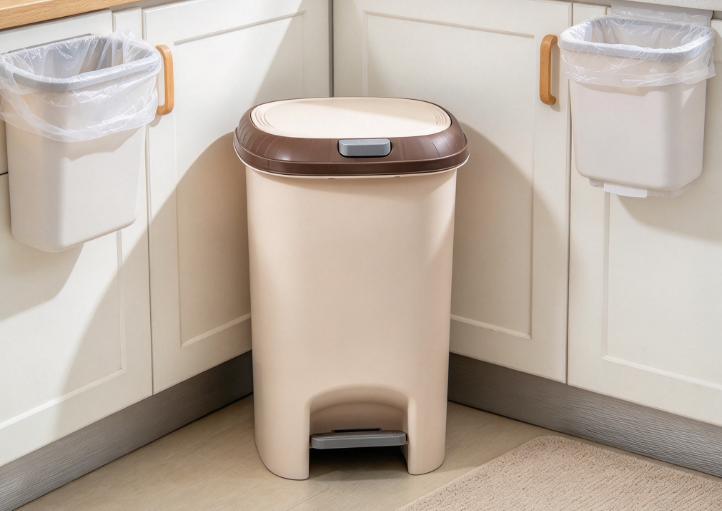
The effect is especially noticeable in shared areas where several people use the same waste container throughout a shift. A household member can dispose of food waste, another person can throw away packaging, and someone else can empty the bin without needing to repeatedly touch the same lid surface.
Can Pedal Operation Help Reduce Cross-Contact?
Cross-contact can occur when people touch a shared surface and then continue with another task without washing their hands first. A trash bin is naturally associated with waste, so many users prefer keeping direct contact with its surfaces to a minimum during their day.
Hands-free operation doesn't eliminate the need for cleaning, but it can genuinely change how people interact with the container. A pedal allows the opening action to take place without requiring the user's hand to touch the lid at all.
This can prove useful in kitchens where people move between food preparation and waste disposal repeatedly. It can also help in bathrooms, where users may prefer operating the bin without touching its upper surfaces. The practical value is therefore connected to the overall routine, rather than to one isolated feature sitting on the box.
Why Is a Tight Lid Useful?
A lid serves genuinely more than an aesthetic purpose, because it separates the waste inside the container from the surrounding room air. A properly fitted lid can help limit the direct exposure of waste, while also creating a more contained appearance overall.
For a Plastic Trash Bin with Pedal, the lid needs to work smoothly with the pedal mechanism, so opening and closing remain convenient throughout daily use. When the pedal gets released, the lid can return to its closed position without requiring the user to touch it again afterward.
This can make the disposal process feel genuinely more complete because the container doesn't need to remain open after each use.
| Lid Function | Practical Role |
|---|---|
| Covers the opening | Keeps waste less exposed |
| Closes after use | Helps contain the contents |
| Works with pedal | Supports hands-free disposal |
| Fits the container | Helps maintain a neat appearance |
| Allows easy cleaning | Supports regular maintenance |
The lid design therefore needs to work together with the pedal, rather than getting treated as a separate product feature entirely.
How Can a Plastic Trash Bin Help With Odor Management?
Waste can create genuinely unpleasant smells when it remains exposed to the surrounding air for too long. A closed bin can help contain the waste and reduce the amount of direct exposure between the contents and the room around it.
A pedal-operated lid can make it genuinely easier to keep the container closed, because users don't need to touch the lid to open or close it. This can prove useful in kitchens where food scraps get placed into the bin throughout the day, meal after meal.
The material and cleaning routine also influence odor management considerably. A bin that's easy to empty and wash can get maintained more regularly, which helps prevent residue from remaining inside the container between cleanings. Odor control is therefore connected to several parts of the product experience, rather than the lid alone.
Why Is Plastic Suitable for Pedal Trash Bins?
Plastic is commonly used for household and commercial waste containers because it can get formed into different shapes and remains generally convenient to handle around the house. A plastic body can also provide a smooth surface that's genuinely easier to wipe during ordinary cleaning.
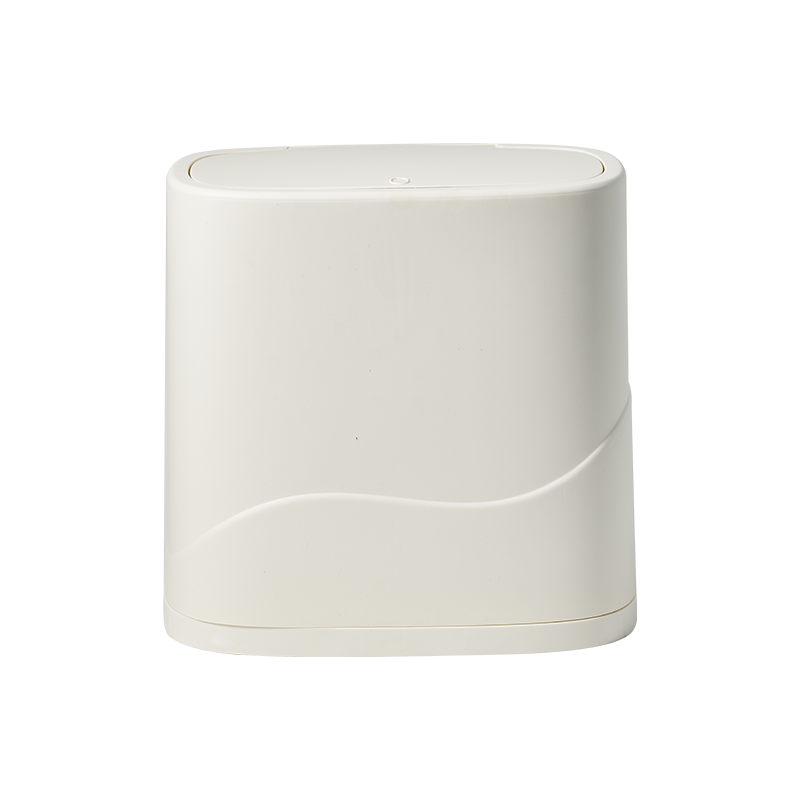
For buyers, the surface finish matters because waste containers may encounter moisture, food residue, cleaning products, and other materials during daily use in a busy kitchen. A White Plastic Trash Bin can also create a clean visual appearance that fits kitchens, bathrooms, offices, and other interior spaces without clashing.
Color doesn't determine hygiene by itself, but a lighter surface can make visible dirt genuinely easier to notice during routine cleaning. The important consideration is how the material, shape, surface, and maintenance habits work together as a set.
How Does Easy Cleaning Affect Hygiene?
A trash bin faces exposure to waste every day, so cleaning needs to stay practical, rather than difficult to manage on a Sunday afternoon. If the interior has unnecessary corners or difficult-to-reach areas, residue may prove harder to remove during a quick wipe-down.
A relatively smooth interior can make wiping and washing genuinely more straightforward. The outer surface also deserves attention because hands, feet, cleaning tools, and surrounding objects may come into contact with the bin throughout the day. A pedal mechanism should get designed so users can access the areas that need routine cleaning without much fuss.
| Cleaning Area | What Users May Consider |
|---|---|
| Inner container | Easy removal of waste residue |
| Lid | Simple wiping and washing |
| Pedal area | Accessible during cleaning |
| Outer body | Smooth and easy to wipe |
| Base | Easy removal of dust and debris |
Good hygiene is genuinely easier to maintain when cleaning gets treated as part of the product design itself.
What Role Does the Pedal Structure Play?
The pedal is one of the most noticeable differences between a standard bin and a pedal-operated design sitting beside it. It needs responding naturally when the user presses it, allowing the lid to move without unnecessary effort involved.
The connection between the pedal and lid also needs remaining functional through repeated daily use over months. A poorly matched mechanism can make the bin genuinely awkward to operate, while a practical structure can make waste disposal feel almost automatic instead.
The pedal also needs to remain accessible when the bin gets placed beneath a counter, beside a toilet, or near a kitchen work area. Its position can therefore influence how naturally the product fits into a room's layout.
Why Does a Non-Slip Base Matter?
A pedal bin gets designed for operation with the foot, so the container needs remaining reasonably stable while the pedal is pressed down. If the bin moves too easily across the floor, users may need repositioning it repeatedly throughout the week.
A stable base can make the pedal genuinely easier to operate because the container remains in a predictable location near the counter. This proves particularly useful on smooth kitchen or bathroom flooring where things tend to slide.
| Base Consideration | Practical Benefit |
|---|---|
| Stable footprint | Helps keep the bin in place |
| Suitable bottom surface | Supports everyday positioning |
| Balanced structure | Makes pedal use more natural |
| Easy-to-clean base | Simplifies routine maintenance |
Stability is therefore connected to both convenience and the overall user experience day to day.
How Can Pedal Bins Fit Kitchen Use?
The kitchen is one of the places where hands-free waste disposal can make a genuinely noticeable difference to daily routines. Food preparation often involves wet hands, food residue, packaging, and utensils, so touching a trash lid mid-task can feel genuinely inconvenient.
A Plastic Trash Bin with Pedal allows users to open the container with a foot while keeping their hands focused on the task at hand. After the waste gets placed inside, releasing the pedal allows the lid to close without another hand movement needed.
This can help create a smoother workflow between food preparation, cleaning, and waste disposal throughout the meal-prep process. The bin can also get positioned near a preparation area, so users don't need carrying waste across the kitchen unnecessarily.
How Can Pedal Trash Bins Fit Bathroom Use?
Bathrooms create another environment where hands-free disposal can prove genuinely useful throughout the day. People may dispose of tissues, packaging, personal-care waste, and other small items throughout their morning and evening routines.
A pedal-operated bin can allow these items to get discarded without requiring direct contact with the lid each time. The closed design can also help keep the contents visually contained from view.
A compact shape may fit beside a toilet, beneath a counter, or near another suitable location without interfering with normal movement around the room. The surface should remain easy to wipe because bathroom environments can involve moisture and frequent cleaning sessions.
Can Pedal Bins Work in Commercial Spaces?
Pedal-operated plastic bins aren't limited to residential environments alone. Offices, restaurants, salons, hospitality spaces, and other commercial areas may also need waste containers that stay convenient for repeated use throughout a business day.
Shared environments create a genuinely different set of considerations because more people may interact with the same container during a normal working period. Hands-free operation can make disposal genuinely easier without requiring each user to touch the lid personally.
For commercial buyers, cleaning, replacement, emptying, and appearance may also influence purchasing decisions considerably. A product that fits naturally into the cleaning routine can prove genuinely easier for staff to manage across a shift.
How Does Bin Capacity Affect Daily Use?
The appropriate capacity depends on where the bin will get used and how often waste gets produced in that space. A kitchen may generate genuinely more waste than a bathroom, while an office may require a different arrangement entirely.
A larger container can reduce the frequency of emptying, but it also needs enough floor space to remain practical in a tight corner. A smaller bin may fit into a compact room but require more frequent disposal trips instead.
| Location | Possible Consideration |
|---|---|
| Kitchen | Food waste and packaging |
| Bathroom | Personal-care waste |
| Office | Paper and everyday rubbish |
| Bedroom | Small daily waste |
| Commercial area | Shared use and cleaning routines |
Capacity should therefore get considered alongside room layout and disposal habits together.
Why Does Lid Movement Matter for Daily Hygiene?
A lid that opens smoothly can make users genuinely more likely to use the pedal, rather than bypassing the mechanism out of frustration. If opening the lid feels inconvenient, people may end up tempted to touch it directly instead.
The pedal and lid need working together as one smooth user action. The lid should also close naturally after disposal, so the bin doesn't remain open unnecessarily between uses. This relationship between opening and closing can affect how practical the product feels over repeated daily use. A simple motion can become a genuinely important part of the daily hygiene routine.
How Can a Plastic Trash Bin Support Household Organization?
Waste containers often get placed in areas where people perform several activities at once around the same spot. A kitchen bin may sit near food preparation, while a bathroom bin may share limited space with toiletries and cleaning supplies nearby.
A suitable shape can help the container fit into these spaces without becoming an obstacle underfoot. A White Plastic Trash Bin can also blend with different interior environments because its appearance stays visually simple and unobtrusive.
The combination of a pedal, lid, and practical body shape can make the bin genuinely easier to integrate into a household's normal arrangement. Organization is therefore connected to product placement, as well as waste disposal itself.
What Should Buyers Check When Choosing a Pedal Trash Bin?
Buyers can look at several features, rather than focusing on one product characteristic alone. The pedal should operate conveniently, the lid should close properly, and the body should stay easy to clean throughout its life.
The base should also provide suitable stability for the intended floor surface it will sit on. Other considerations include the location where the bin will get placed, the type of waste it will receive, and how frequently it will need emptying.
A simple purchasing checklist may cover pedal operation first, then lid movement and interior accessibility. Surface cleaning matters too, along with base stability, container size, intended room, waste type, and emptying routine expected. These points can help buyers connect product features with actual household or commercial needs directly.
How Can Manufacturers Improve the User Experience?
Manufacturers can approach pedal trash bins as complete products, rather than focusing on the pedal alone as the only feature worth engineering. The body, lid, pedal, hinge area, base, inner container, and surface finish all influence how the bin behaves during daily use.
A practical product should stay easy to operate without creating unnecessary extra steps for the user. It should also remain accessible for routine cleaning and emptying whenever needed.
For a Plastic Trash Bin with Lid, the relationship between the lid and body can influence how well the waste remains contained inside. For a Plastic Trash Bin with Pedal, the pedal mechanism adds another moving part that needs working naturally with the rest of the structure surrounding it. The goal is creating a disposal routine that feels genuinely simple enough to repeat throughout the day without a second thought.
How Can Pedal Trash Bins Support Cleaner Daily Routines?
Hygiene gets influenced by many small actions, and waste disposal is one of them worth paying attention to. A hands-free bin can reduce direct hand contact with the lid, while a closed container can help keep waste less exposed to the room around it.
An easy-to-clean plastic body can support regular maintenance, and a stable base can make pedal operation genuinely more convenient day after day. These features work together, rather than functioning separately from one another.
In a kitchen, the focus may be quick disposal during food preparation, while a bathroom user may care genuinely more about hands-free operation and easy cleaning instead. Commercial users may place greater attention on shared use, appearance, emptying, and routine maintenance across a facility. The practical value of a pedal-operated plastic trash bin comes from how naturally these functions fit into everyday disposal habits.
 Previous