English
 Español



Choosing a waste bin can seem like a genuinely simple household decision until the container needs to fit a particular room, disposal routine, or shared environment. The lid and pedal are two features that can change how a waste bin gets used because they affect access, contact, appearance, and the way waste remains contained.
A bin without a lid may offer quick access, while a covered model can provide a more contained appearance and reduce direct exposure to the contents underneath. Adding a pedal changes the opening process again, since users can operate the lid with a foot instead of reaching for it with a hand.
These differences make the lid and pedal genuinely useful points of comparison when buyers are choosing between different waste bin designs on a shelf.
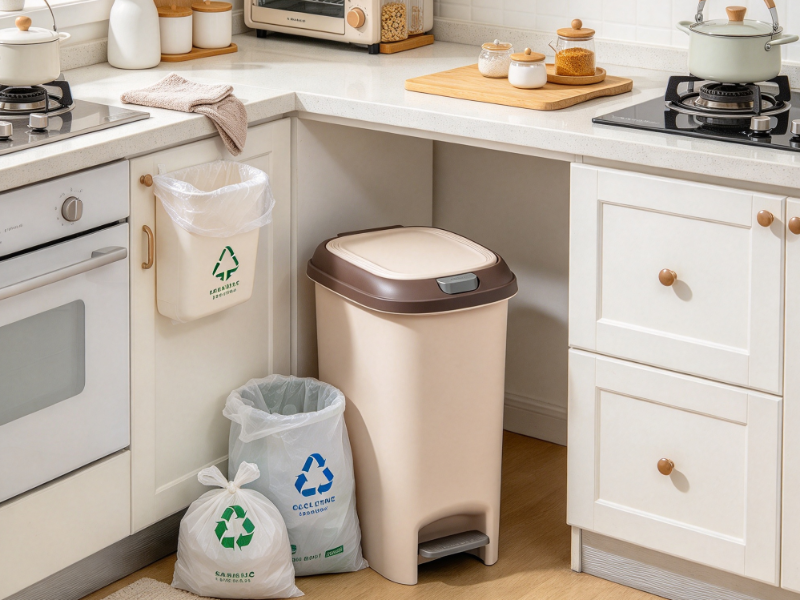
Why Does the Lid Matter When Choosing a Waste Bin?
A lid changes the relationship between the waste inside the container and the surrounding room air. An open bin leaves the contents visible and accessible, while a covered bin creates a physical separation between the waste and the room around it.
This difference can matter in kitchens, bathrooms, offices, bedrooms, and shared spaces where users may prefer waste remaining visually contained. A Plastic Trash Bin with Lid can also help create a more organized appearance because the opening and contents stay hidden when the container isn't in active use.
The lid can also influence how frequently users need interacting directly with the inside of the bin.
| Lid Feature | Possible User Consideration |
|---|---|
| Covered opening | Keeps waste less visible |
| Closing action | Helps contain the contents |
| Removable lid | Can simplify emptying or cleaning |
| Smooth surface | Supports routine wiping |
| Secure fit | Helps keep the lid in place |
The right lid design depends on how the bin will get used, rather than on appearance alone sitting on a store shelf.
What Does a Pedal Add to a Waste Bin?
A pedal changes the way users open the container by moving the opening action from the hand to the foot instead. This can make the bin genuinely easier to use when the user's hands are occupied or when direct contact with the lid feels undesirable at that moment.
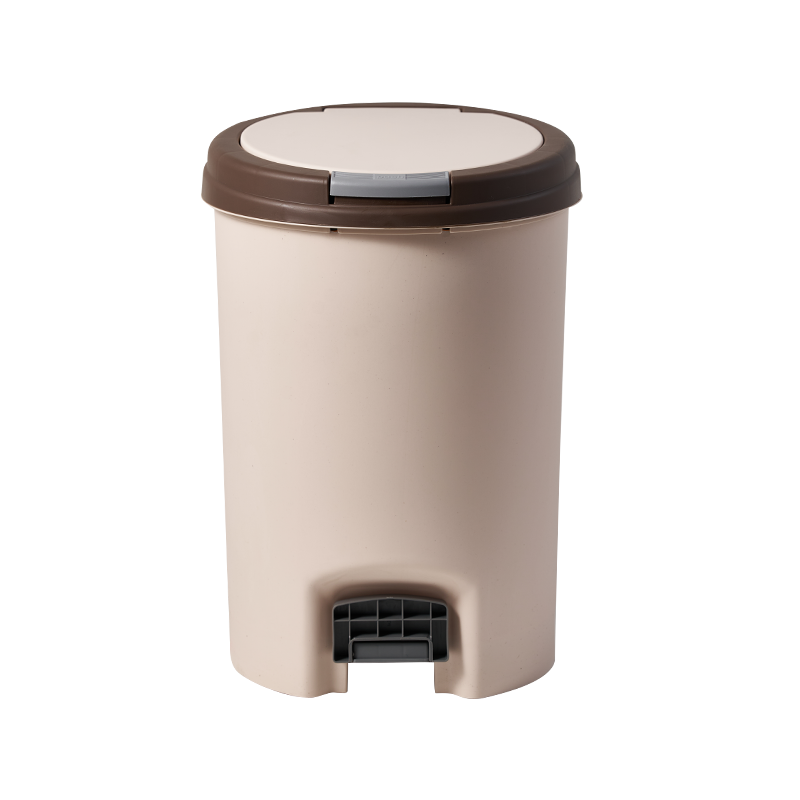
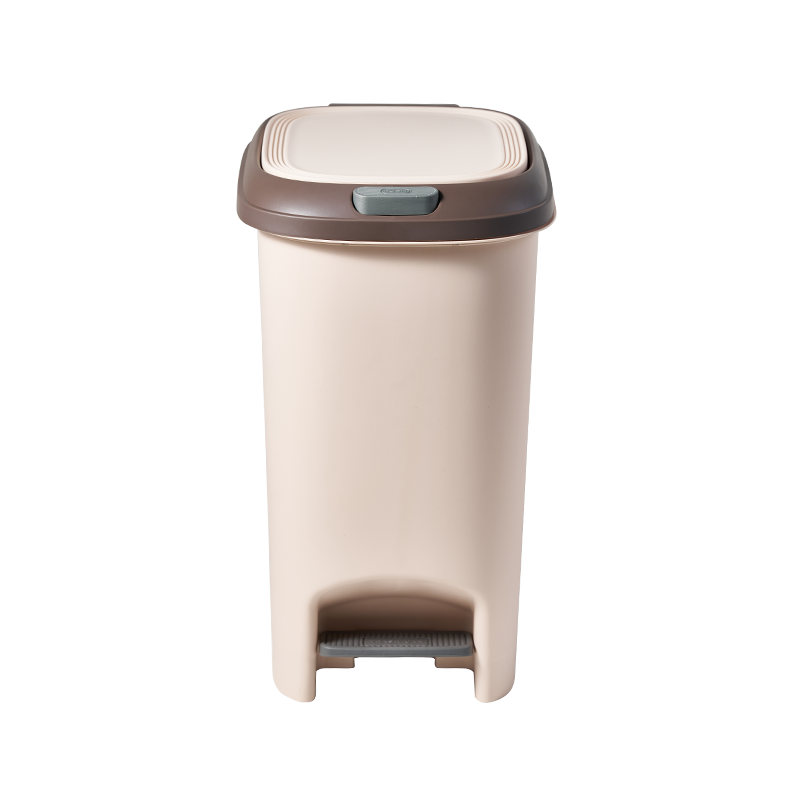
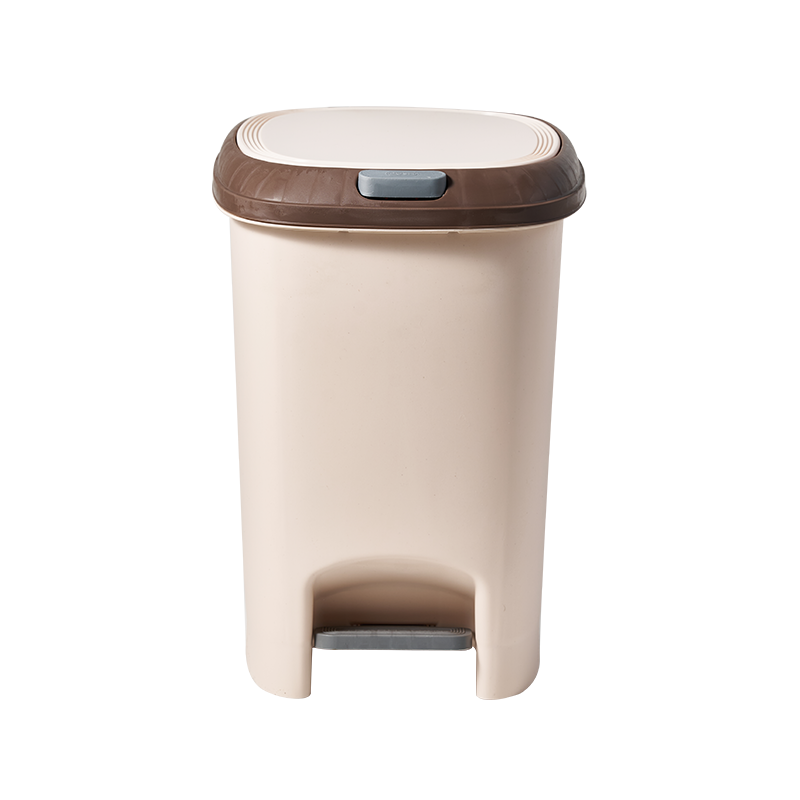
A Plastic Trash Bin with Pedal combines the covered design with a foot-operated opening mechanism working underneath. The user can press the pedal, place the waste inside, and release the pedal so the lid returns to its closed position naturally.
This creates a simple sequence that can become part of an everyday disposal routine without much thought. The pedal can therefore get viewed as a genuinely functional feature, rather than simply an added accessory tacked on.
How Do Lids and Pedals Work Together?
The lid provides coverage while the pedal provides a way to operate that coverage without using the hand at all. These two features have genuinely different functions, but their value becomes clearer once they get considered as one connected system.
A lid that's difficult to open may reduce the practical value of the pedal beneath it, while a pedal that doesn't work smoothly can make the covered design genuinely less convenient overall. The connection between the two parts therefore matters considerably during product selection.
| Component | Main Role |
|---|---|
| Lid | Covers the waste opening |
| Pedal | Controls lid opening |
| Hinge or connection | Allows lid movement |
| Container body | Holds the waste |
| Base | Supports the bin during use |
A suitable design should allow these parts to work together without creating unnecessary steps for the user reaching down.
Does a Lid Help With Waste Containment?
Waste can become genuinely less noticeable when it remains inside a closed container throughout the day. A lid can limit the direct view of the contents and create a more contained appearance between disposal actions happening one after another.
This can prove useful in rooms where the bin remains visible throughout the day, sitting in a corner or beside a counter. In a kitchen, a closed lid can keep food waste genuinely less exposed between uses. In a bathroom, it can keep personal waste visually contained while allowing the bin to remain near the area where it's actually needed.
The lid doesn't replace regular emptying or cleaning, but it can genuinely influence how the bin fits into the surrounding environment day to day.
Why Is Hands-Free Opening Useful?
Hands-free operation can prove convenient when users are carrying something, preparing food, cleaning a room, or handling waste already in their grip. A pedal allows the user to operate the lid without putting down the item being discarded at that moment.
This can make the disposal process genuinely more direct throughout a task. It can also reduce the need to touch a shared lid surface in workplaces or other areas where several people use the same container across a shift. The value of this feature depends on the user's habits and the location of the bin itself.
| Situation | Possible Benefit of Pedal Operation |
|---|---|
| Food preparation | Keeps hands focused on the task |
| Bathroom use | Allows opening without hand contact |
| Office use | Makes shared disposal convenient |
| Cleaning work | Supports hands-free disposal |
| Busy household | Reduces unnecessary handling |
The pedal is therefore genuinely most useful when its operation matches the way people already dispose of waste in that space.
How Should Buyers Compare Open and Covered Bins?
Open bins can prove convenient when users need immediate access and the contents don't need remaining covered for long. Covered bins introduce another layer between the user and the waste sitting inside.
The choice may depend on where the container will get placed and what type of waste it will receive over time. A bedroom may have genuinely different requirements from a kitchen, while a shared office may have different expectations from a bathroom down the hall.
A Plastic Trash Bin with Lid can make sense when visual containment and a closed appearance are genuinely important parts of the selection process. An open design may still prove practical where speed and simple access matter more to the user. The room and disposal routine should therefore guide the comparison made.
What Should Buyers Consider About Pedal Position?
The pedal needs remaining accessible from the position where users normally stand while disposing of something. If furniture blocks the pedal or the bin gets placed too close to another object, opening the lid may become genuinely inconvenient during a busy moment.
The pedal should also provide a clear point of contact, so users can operate it without searching for its position underfoot. This becomes especially relevant in kitchens and bathrooms where floor space can run genuinely limited.
A well-positioned pedal can make the bin feel like a genuinely natural part of the room, rather than another object that requires constant adjustment.
How Does the Lid Shape Affect Placement?
The lid needs enough room to move during opening and closing throughout its use. A bin placed beneath a counter, beside a wall, or under a cabinet may not have the same available space as a freestanding container sitting in an open area.
This means the lid shape and opening direction can genuinely affect where the bin can get positioned in a room. Buyers can consider whether the lid needs clear space above the container and whether nearby objects could interfere with movement during opening.
These details are genuinely easy to overlook when selecting a bin from a photo alone. The physical relationship between the lid and surrounding furniture can have a genuinely noticeable effect on daily convenience.
Does Material Matter When Choosing a Lidded Bin?
Material affects how the bin feels, how it looks, and how it can get maintained over its working life. Plastic is commonly used for waste containers because it can get formed into different shapes and remains generally easy to handle around a house.
A smooth plastic surface can also make routine wiping genuinely more straightforward on a busy afternoon. For buyers, the material should get considered alongside the lid and pedal, rather than evaluated separately from the whole product.
A well-designed plastic body can provide a genuinely practical foundation for a covered or pedal-operated waste bin. The surrounding surface finish can also influence how easily dirt or residue gets noticed during cleaning.
Why Do Some Buyers Choose a White Plastic Trash Bin?
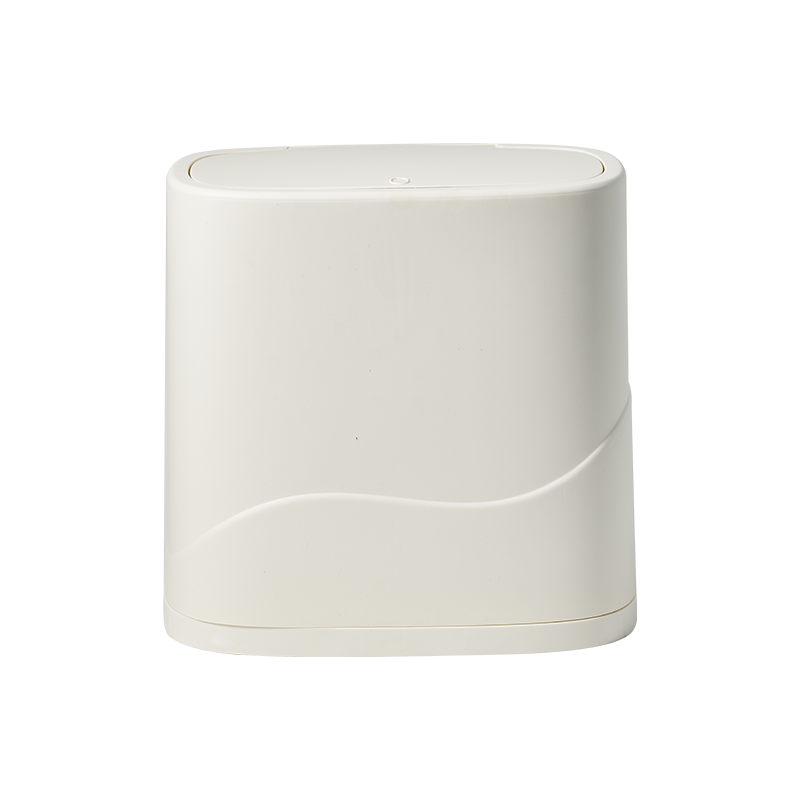
Color can influence how a waste bin fits into a room's overall look. A White Plastic Trash Bin can create a simple visual appearance that works with many kitchen, bathroom, office, and household interiors without clashing.
Light-colored surfaces may also make visible dirt genuinely easier to notice, which can remind users when routine cleaning is genuinely needed. This doesn't mean color itself determines hygiene on its own.
The practical value comes from the combination of appearance, material, lid design, opening method, and maintenance habits working together. For procurement teams, color can also become part of a broader interior design or product assortment decision across a facility.
How Does a Lid Affect Odor Perception?
Waste can produce genuinely noticeable odors when it remains exposed to the surrounding air for too long. A lid can reduce the visual and direct exposure of the contents between disposal activities happening throughout the day.
This may make the surrounding area feel genuinely more contained, particularly when food-related waste is involved in the mix. The result still depends on what gets placed inside the container and how frequently the bin gets emptied and cleaned afterward.
A covered bin should therefore get considered part of an overall waste-handling routine, rather than treated as an independent odor-control solution on its own. The lid can support the routine by keeping the container closed when it's not actively in use.
What Role Does the Pedal Play in Kitchen Waste Disposal?
Kitchen waste often involves food scraps, packaging, tissues, and other materials that need discarding while people are preparing meals with busy hands. A pedal allows users to open the bin without moving their hands away from the task in front of them.
This can make the transition between food preparation and disposal feel genuinely more natural throughout cooking. The lid can then close after the waste has been placed inside, without another hand movement required.
A Plastic Trash Bin with Pedal can therefore fit naturally beside a preparation area when the surrounding space allows enough room for pedal operation and lid movement together. The design proves particularly relevant when users regularly dispose of waste during active kitchen work.
How Do Pedal Bins Fit Bathroom Use?
Bathrooms often have genuinely limited floor space, so the relationship between the bin and nearby fixtures deserves genuine attention before purchase. A pedal-operated container can provide access without requiring the user to reach down and touch the lid directly.
The covered design can also keep the waste genuinely less visible between uses throughout the day. A compact body may suit placement beside a toilet, under a counter, or near another practical location in a small room.
The bin should still allow enough room for the pedal to get reached naturally without contorting. This makes the combination of lid movement, pedal location, and body shape genuinely important during selection.
Are Pedal Bins Suitable for Shared Spaces?
Shared spaces can include offices, hospitality areas, studios, clinics, commercial kitchens, and other environments where several people use the same waste container throughout a working day. In these settings, users may have genuinely different disposal habits from one another.
A hands-free opening method can provide a consistent way to access the bin without requiring everyone to touch the same lid repeatedly. The covered design can also help keep the waste container visually organized throughout the working day.
For facility managers, the bin's cleaning routine, emptying process, placement, and durability may get considered alongside the lid and pedal together. A suitable product needs to fit the actual workflow of the space it serves.
How Does the Closing Action Affect User Experience?
The closing action is genuinely easy to overlook because most attention goes toward opening the bin instead. However, a lid that closes naturally after use can help keep the container in its intended closed position without extra effort.
This reduces the need for users to reach down and close the lid manually afterward. For a pedal-operated design, the opening and closing actions form one continuous process working together smoothly.
The mechanism needs responding consistently, so users can operate the bin without unnecessary effort each time. The closing behavior can therefore influence whether the product feels genuinely convenient during repeated daily use.
What Should Buyers Consider When Comparing Pedal Mechanisms?
Not all pedal systems provide the same user experience once installed. The position, shape, movement, and connection to the lid can all influence how the mechanism feels during use throughout the day.
A pedal should be genuinely easy to locate and press while the user stands naturally in front of the bin. The lid should respond without requiring users to repeat the action multiple times. The mechanism should also stay accessible enough for routine cleaning around the lower part of the container.
| Pedal Consideration | Buyer Question |
|---|---|
| Position | Can users reach it naturally? |
| Shape | Is it easy to press? |
| Movement | Does the lid respond smoothly? |
| Connection | Does the mechanism work with the lid? |
| Cleaning access | Can the surrounding area be maintained? |
These points can help buyers compare products based on everyday use, rather than appearance alone on a shelf.
How Does Bin Placement Influence Lid and Pedal Selection?
A bin placed in an open area may have plenty of room for lid movement without restriction. A bin placed under a work surface may need a genuinely different lid arrangement instead. A narrow bathroom may require attention to pedal access and the space around the container itself.
A busy kitchen may need the bin positioned where users can operate the pedal without blocking a walkway during meal prep. These situations show why the same bin design may feel genuinely different, depending on where it gets installed in a home.
Selection should therefore include the surrounding space, as well as the container itself sitting within it.
How Can Buyers Match the Bin With Different Waste Types?
Different waste types can create genuinely different requirements for disposal throughout a household. Food waste may require frequent emptying and a covered container to manage odor. Paper waste may be lighter and less likely to require a lid at all.
Bathroom waste may benefit from a covered design because users may prefer the contents remaining less visible day to day. Commercial environments may have their own disposal routines based on the work being performed on site.
| Waste Type | Possible Bin Consideration |
|---|---|
| Food scraps | Covered access and easy emptying |
| Paper | Simple access and practical capacity |
| Bathroom waste | Lid and hands-free opening |
| Packaging | Convenient repeated disposal |
| Mixed household waste | Easy cleaning and routine emptying |
The purpose isn't assigning one bin design to every situation across a home. The goal is matching the opening method and container design with the actual disposal routine happening there.
What Makes a Plastic Trash Bin Practical for Daily Use?
A practical waste bin needs working during ordinary moments, rather than only looking suitable when new and sitting in a showroom. The lid should be easy to operate, the pedal should stay accessible, and the body should remain manageable during emptying and cleaning.
The container should also fit naturally into the available floor space without becoming an obstacle. A Plastic Trash Bin with Lid can provide a contained appearance, while a Plastic Trash Bin with Pedal adds hands-free operation on top of that.
A White Plastic Trash Bin can provide another choice when interior appearance forms part of the purchasing decision. These options can overlap, but each feature addresses a genuinely different part of the user's routine.
How Should Procurement Teams Evaluate Waste Bin Designs?
Procurement decisions often involve genuinely more than selecting a product for one household alone. A buyer may need considering multiple rooms, different users, cleaning routines, product appearance, and replacement needs across a facility.
The lid and pedal should therefore get evaluated according to the environments where the bins will get placed throughout a building. Questions can include whether users need hands-free operation, whether waste should remain covered, whether the bin needs fitting beneath furniture, and whether the surface can get cleaned easily.
A supplier can also help clarify how the pedal mechanism, lid structure, body material, and available product styles relate to different applications across a portfolio. This makes the purchasing process genuinely more closely connected to actual use on the ground.
How Can Lid and Pedal Design Influence Product Selection?
Lids and pedals affect two basic parts of waste disposal: how the container gets accessed and what happens after the waste is placed inside. The lid provides coverage and changes the visual relationship between the waste and the room around it.
The pedal changes how the user operates the lid without touching it directly. The body provides the space for the waste and determines how the product fits into its surroundings. The material and surface affect routine care, while the color can influence the visual appearance of the room it sits in.
Together, these elements explain why waste bin selection involves genuinely more than choosing a container based on size or appearance alone. For buyers comparing household and commercial options, the most useful approach considers how the lid, pedal, body, placement, cleaning routine, and waste type will work together during everyday use.
 Previous