English
 Español



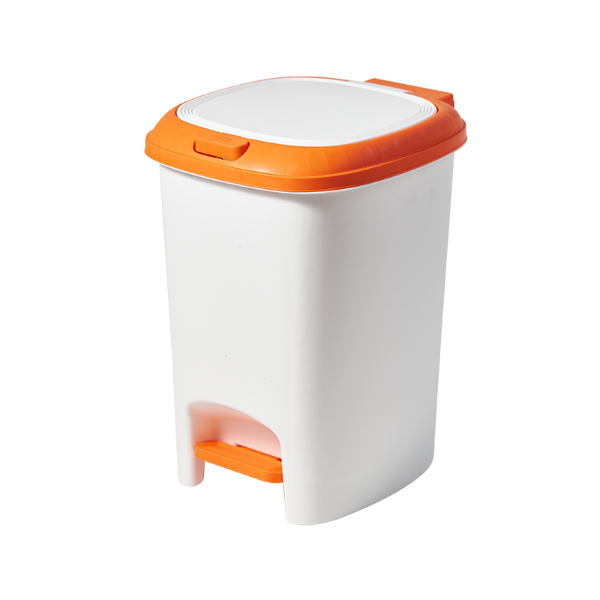
Bathroom waste can contain damp tissues, used personal-care materials, hair, and other residue that gradually produces unpleasant smells. A waste container placed in a poorly ventilated position can allow those smells to remain around the surrounding area, particularly when moisture is present.
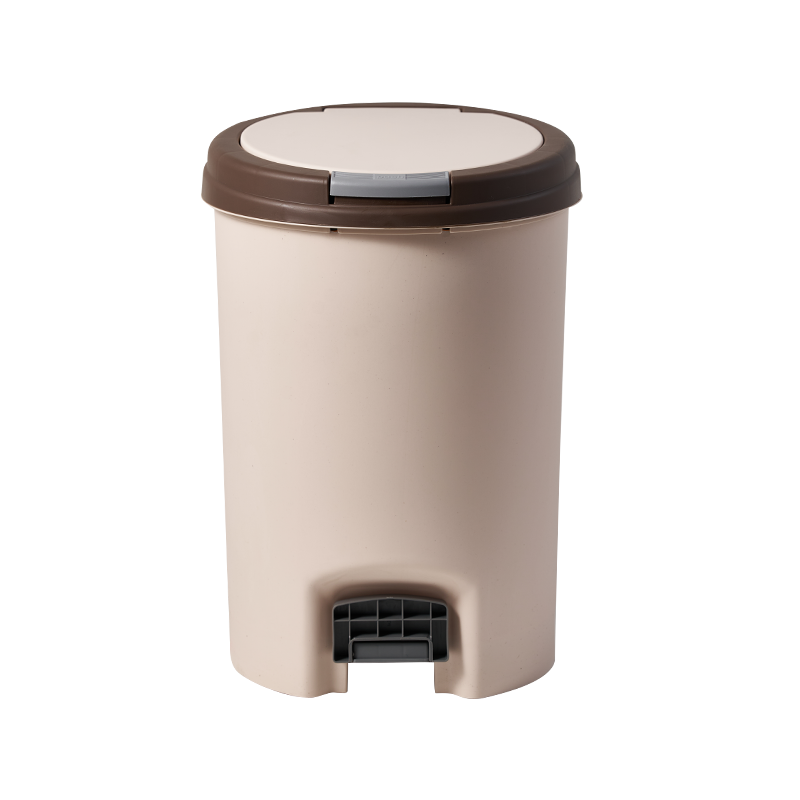
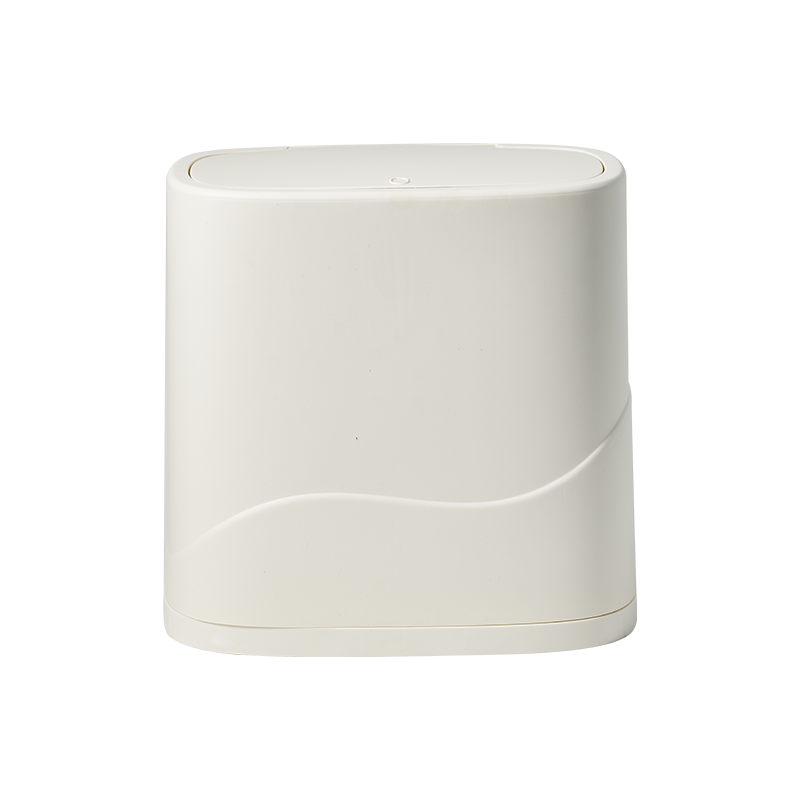
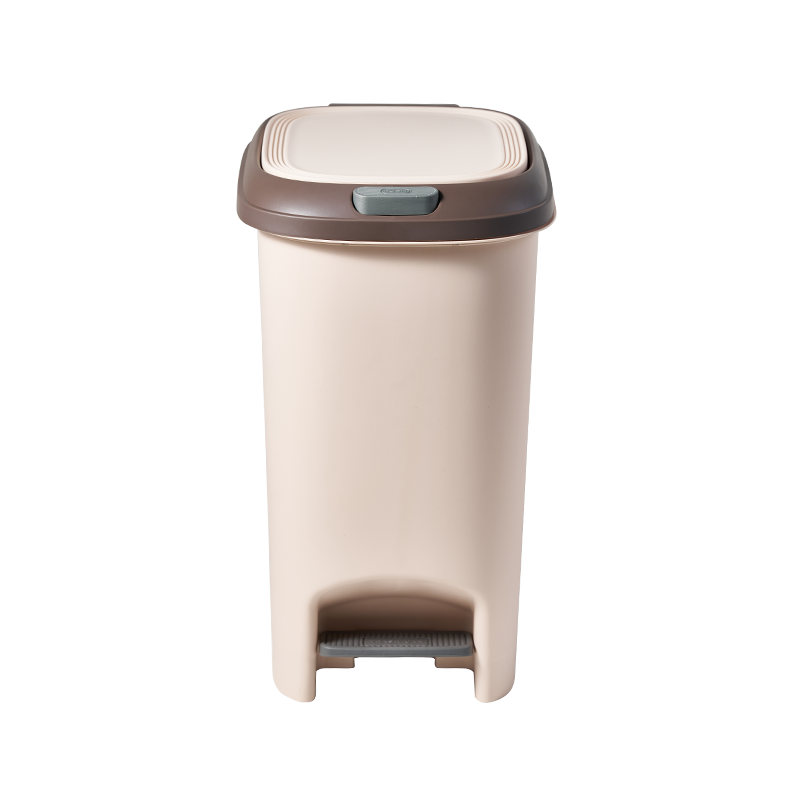
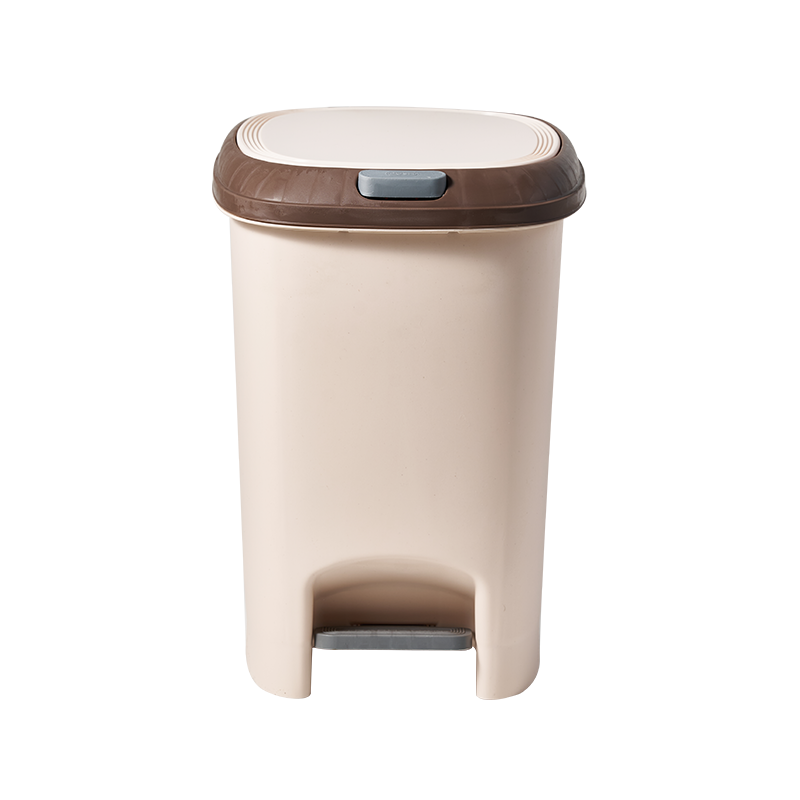
Placement has a practical role in bathroom waste management. A Corner Bathroom Trash Can can make use of unused floor space while keeping waste in a defined location. The shape and position of the container can also affect how easily air moves around it, how often the container is opened, and how simple routine cleaning becomes.
What Causes Odor to Build Up in Bathroom Waste Containers?
Smell tends to show up once waste sits somewhere warm and slightly damp for a stretch of time. Bathroom trash differs from kitchen or bedroom trash because moisture often comes straight from the source — a used tissue, a cotton pad with cleanser on it, or water dripping off someone's hands right before they toss something in.
Wet material clings to the liner or the inner wall of the bin instead of drying out. Hair holds onto moisture longer than people expect, too. Once all of that sits inside a mostly closed space, air barely moves through, and the smell becomes obvious the moment the lid comes up.
The bin itself holds onto odor even after it's emptied. A bit of residue near the rim, underneath where the liner sits, or pooled at the bottom can keep producing smell long after the actual trash is gone. If the inside is awkward to reach with a sponge or cloth, that residue just stays put.
A handful of conditions tend to drive this: waste that's still damp when it's discarded, a bin with barely any airflow around it, small deposits building up on interior surfaces over repeated use, a liner that doesn't sit snugly and lets moisture reach the plastic underneath, and an opening too narrow to clean properly without real effort. Dealing with odor starts by addressing these points directly rather than reaching for an air freshener to mask what's already there. A bin that empties, wipes down, and dries out without a struggle fits naturally into a normal bathroom cleaning routine, instead of becoming a chore people put off.
How Does Corner Placement Affect Airflow Around Bathroom Waste?
Corners get used for anything that needs to stay nearby without eating up open floor space — a small shelf, a stack of towels, a trash bin. The tradeoff is that two walls meeting at that spot naturally limit how much air moves around whatever sits there.
Push a bin flush against both walls and the sides and back barely get any circulation. Moisture also tends to linger around the base if that section of floor gets wet often, which happens easily near a shower or tub.
Getting the placement right means balancing tight-space efficiency against practical upkeep. Leaving even a narrow gap around the bin makes wiping down nearby surfaces far less of a hassle and keeps the corner from turning into a damp, hidden pocket. The opening on top should stay easy to reach too, so nobody has to shove the bin out of its spot just to throw something away.
Airflow patterns already present in the room matter here. A bin sitting near where air naturally moves — close to a door or a small gap under a cabinet — dries out faster after cleaning than one crammed behind a toilet or wedged into a fully enclosed nook. A few practical checks help: keep the bin clear of direct splash, leave room to pull the liner out without wrestling it, avoid blocking any vent or gap that helps air move through the room, keep the floor beneath it reachable for mopping, and position the opening somewhere waste actually goes in without an awkward reach. A corner setup works fine in a smaller bathroom as long as that corner stays a livable space rather than a sealed-off gap between fixtures.
How Does Moisture Inside a Bathroom Trash Can Affect Odor?
Anyone who's pulled a full liner out of a bathroom bin knows moisture and odor tend to travel together. Used tissues, damp wipes, wet hair from a hairbrush, and other discarded bits all carry water into the liner along with them. Once that damp waste sits sealed inside, the smell doesn't fade quickly — it lingers every time the lid gets lifted.
The bottom of the container deserves a closer look because liquid often pools beneath the liner or gets trapped in the folds of the bag itself. If the inner base has an odd shape, residue tends to sit there even after the liner comes out, since a rag can't quite reach every corner. A washable interior with a base that's simple to get to makes drying and wiping down far less of a chore.
Shape plays into moisture handling too. A wider opening makes pulling the liner out and wiping the sides much easier, while a lid on top keeps waste from sitting fully exposed to the room's air. Either way, the design still needs enough room around the opening to actually dry things out once they've been washed — a bin that can't air out properly just stays damp longer than it should.
How Does Materials Affect Odor Retention in Bathroom Trash Cans?
What the bin is made from decides how much effort cleaning actually takes. A smooth interior wipes clean in a few seconds, while deep grooves or tight seams tend to trap small amounts of moisture and residue that a cloth can't fully reach.
Bathroom containers deal with water and cleaning spray on a regular basis, more than a bin sitting in a bedroom or office ever would. Surfaces need to hold up to that without letting grime settle into seams, edges, or wherever two pieces connect.
Things worth thinking about with materials:
- How well the surface handles regular exposure to water
- How easily it wipes clean once waste is removed
- Whether the texture invites residue to build up over time
- Whether it holds up against typical bathroom cleaning products
- How steady it stays with everyday handling
A Corner Bathroom Trash Can works better with an interior that stays reachable from every angle. Since the outer shape is already compact to fit the corner, there's no real need for a complicated inner structure on top of that — especially with two walls already limiting access from the back.
What Cleaning Practices Help Control Odor in Bathroom Waste Containers?
Emptying the bin and wiping it down go hand in hand when it comes to keeping smells under control. Waste left sitting too long turns unpleasant fast, and residue around the rim or underside of the lid can linger even after the liner itself is gone.
A workable cleaning routine touches on a few spots:
- Pulling the liner out without spilling anything along the way
- Wiping down the inner wall and base
- Cleaning under the lid, not just the top of it
- Checking the rim where residue likes to collect
- Letting washed surfaces air dry before closing things up
- Wiping the floor around the base while you're at it
Drying matters just as much as washing. Closing up a bin while it's still damp basically traps that moisture right back inside, undoing most of the cleaning effort. A bin with a removable inner section makes the whole wash-and-dry process noticeably easier, since it can sit out to dry separately from the outer shell.
How Can Bathroom Layout Influence Trash Can Odor Control?
Where the bin sits in the room affects three things at once — how much moisture it picks up, how well air moves around it, and how easy it is to clean. A bin parked near the sink catches splashes every time someone washes their hands, while one next to the toilet fills up faster and needs emptying more often.
A corner offers a way to use space that would otherwise sit empty, without putting the bin in the middle of the floor where someone might trip over it. A Corner Bathroom Trash Can fits into that gap while staying close to where waste actually gets generated in the first place.
| Bathroom Location | Main Concern | Practical Design Point |
|---|---|---|
| Near Sink | Water splashes | Keep the container away from direct spray |
| Near Shower | Humidity and moisture | Allow access for drying |
| Beside Toilet | Frequent waste disposal | Keep the opening convenient |
| Tight Corner | Limited airflow | Leave room around the container |
| Near Doorway | Movement and access | Avoid interfering with door operation |
| Against Wall | Cleaning access | Keep the base and rear area reachable |
What Should Be Considered When Choosing a Corner Bathroom Trash Can?
Size needs to match the actual corner it's going into. A bin that sticks out too far starts getting in the way of foot traffic, while an opening that's too tight makes tossing something in more awkward than it should be.
The lid, how the liner comes out, and the inner layout all affect how much upkeep the bin actually needs day to day. A liner that pulls out without a fight keeps hands away from the waste itself, and interior surfaces that are easy to reach make wiping down a quick task instead of a project.
Points worth weighing before buying:
- How much corner space is actually available
- How the lid and opening are built
- How the liner comes out during changes
- How reachable the interior is for cleaning
- How much moisture the spot typically sees
- How steady the bin stays with daily use
Looks matter for matching the rest of the bathroom's style, sure, but how practical the bin is to maintain stays closely tied to whether odor stays under control day after day.
How Is Bathroom Trash Can Design Adapting to Odor Control Needs?
Bathroom bins now get built around several everyday realities at once rather than just one. Fitting into a tight corner, keeping waste contained, offering a washable interior, and allowing quick liner changes can all show up together in one design without turning cleaning into extra work.
How the lid is built affects how much waste sits exposed to the room's air. A removable inner section separates the messier job of handling waste from the simpler task of wiping down the outer shell, and surfaces that are easy to reach make moisture and residue far less likely to stick around.
Material choice works alongside shape and placement rather than on its own. Washable surfaces, a base that doesn't wobble, and an interior layout that makes sense together address the kind of damp conditions that show up in bathrooms more than almost anywhere else in the house.
A Corner Bathroom Trash Can fits into space-conscious bathroom setups while still handling waste containment, moisture, cleaning access, and everyday use. How well it actually performs comes down to whether these pieces fit the real layout and habits of the household using it.
 Previous