English
 Español



Bathroom storage is often arranged around fixed objects such as walls, cabinets, sinks, and toilets. A trash container needs to fit among these elements without making everyday movement awkward. As a result, its shape is rarely decided by appearance alone. The available floor area, the position of nearby furniture, the way waste is placed inside, and the need for easy cleaning can all influence the final form.
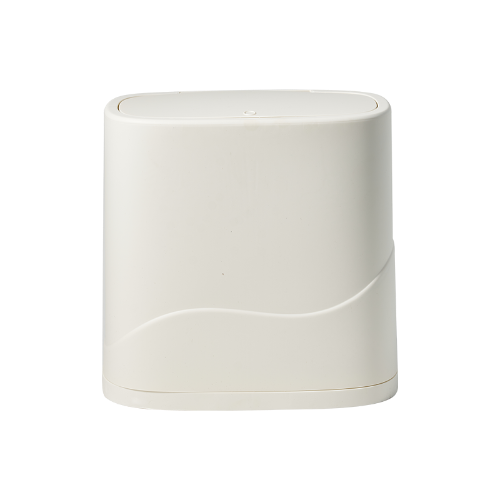
A Corner Bathroom Trash Can is designed around a particular spatial problem: making use of an area where a conventional round or rectangular container may not fit naturally. Its back and side surfaces can be shaped to sit closer to walls, while the front remains accessible for daily use.
Why Does Bathroom Space Influence Trash Can Shape
Corners are easy to overlook when planning bathroom storage, yet they can provide useful floor space for a small waste container. A conventional bin with a wide circular footprint may extend too far into the walking area. A rectangular model can create a different problem when its corners interfere with nearby fixtures.
The shape of the container therefore needs to respond to the space around it. A narrow back section can sit against a wall, while an angled or curved front creates room for feet and movement. In some bathrooms, two walls meet closely enough that a triangular footprint makes practical sense. Other layouts may work better with a curved rear edge or a narrow rectangular body.
Placement also affects how the container is reached. A bin hidden behind a cabinet may be difficult to access even when its physical dimensions fit the available corner. Designers need to consider the path of the hand, the direction of the lid, and the space needed to remove a liner.
Several surrounding elements can influence the choice of shape:
- Wall corners and narrow floor sections
- Vanity cabinets and storage units
- Toilet clearance
- Door movement
- Walking paths
- Nearby cleaning areas
A compact footprint does not automatically make a container suitable for every bathroom. The usable space includes the area needed to open, empty, clean, and replace the liner. Shape decisions begin with that complete movement area rather than the floor footprint alone.
How Does a Corner Position Change the Container Geometry
Once a waste container is placed against two walls, its rear geometry becomes particularly important. A flat back can sit directly against a wall, while two straight sides can follow the corner from different directions. Rounded or angled surfaces create another approach by reducing sharp transitions between the walls and the front of the container.
The internal shape matters as well. A container may have an angular exterior while using a softer internal form to make cleaning easier. A curved inner wall can reduce areas where moisture or small pieces of waste collect. The outer shell and inner compartment therefore do not always need to follow exactly the same outline.
For a Corner Bathroom Trash Can, the footprint also influences how much of the container extends into the room. A deeper body may provide more internal space, yet it can occupy more walking area. A narrower design may leave additional clearance around the front, although the available interior volume changes accordingly.
The relationship can be viewed through several basic design elements:
| Shape Element | Effect on Placement | Related Use Consideration |
| Flat rear surface | Sits close to a wall | Easier corner positioning |
| Angled sides | Follows a corner layout | Can reduce unused floor space |
| Curved front | Creates a softer outer profile | Allows easier access around the bin |
| Wide opening | Provides more access area | Useful for frequent disposal |
| Narrow body | Takes up less floor width | Suits restricted spaces |
Geometry is therefore closely connected with movement around the bathroom. A shape that looks compact from above may still require extra room when the lid opens or when the inner container is removed.
What Role Does the Opening Shape Play in Daily Use
The opening is where the container meets its main function, so its shape needs to work with the position of the bin. A waste container placed in a corner cannot always use the same opening arrangement as one positioned in the center of a room.
An open‑top design allows waste to be placed inside without moving a lid. A covered version adds another layer of interaction. Depending on the mechanism, the lid may lift upward, swing, or move through a limited path. The available space above and around the container can therefore influence which opening arrangement is practical.
A lid that opens toward a wall may become difficult to use. A lid that moves into the walking area can also interfere with nearby activity. For corner placement, the direction of movement deserves attention alongside the opening size.
Cleaning and liner replacement add another consideration. The opening needs to provide enough access for removing the inner bag or container without forcing it against the surrounding walls.
Daily use can be affected by:
- The direction in which the lid moves
- The shape and width of the opening
- Access to the inner compartment
- Space above the container
- Clearance around the front and sides
Odor control can also influence whether a covered or open structure is selected. A bathroom with frequent moisture exposure may require easy access for cleaning, while a shared space may place greater emphasis on keeping waste enclosed.
How Do Height and Width Affect Bathroom Placement
Height changes how the container interacts with nearby bathroom fixtures. A taller body can make waste disposal convenient without requiring as much bending, yet it may sit too close to a counter, shelf, or cabinet depending on the layout. A shorter container can fit beneath certain surfaces but may require more frequent emptying.
Width and depth work together with height. Increasing one dimension can change the balance between internal capacity and floor clearance. For a corner placement, depth is particularly noticeable because the container extends outward from the walls into the usable room.
The position of the opening should be considered at the same time. A container may physically fit beside a cabinet, while its lid or removable inner section needs additional room. Checking the complete movement path helps prevent a shape from fitting on paper but becoming awkward during regular use.
Bathroom layout also changes from one home or commercial space to another. A narrow washroom may favor a slim body with a limited footprint, while a larger room may allow a broader container without affecting circulation.
Shape, height, width, and depth are therefore connected decisions. Once the available placement area has been defined, attention can move toward the base structure and the way the container remains stable on a bathroom floor.
How Does the Base Shape Support Stability
The lower part of a bathroom waste container does more than support its weight. It determines how the body sits on the floor and how easily the container moves when it is touched, opened, or cleaned around. Bathroom floors can also become damp, so the relationship between the base and the floor deserves attention during shape design.
A wider flat base can provide a stable contact area, while an angled body may require a carefully shaped bottom to prevent rocking. Rounded edges can make the exterior easier to wipe, although the transition between the side walls and base still needs to remain stable.
For a Corner Bathroom Trash Can, the base often follows the footprint created by the surrounding walls. A triangular or angled body needs enough support along its lower edges, while a curved front can change where the weight is distributed.
Small details around the base can affect everyday handling:
- Non‑slip feet can reduce unwanted movement
- A slightly raised bottom can keep the main body away from a damp floor
- Rounded lower edges can make cleaning easier
- A stable footprint can help when the lid is opened
- A removable inner container can reduce the need to move the outer body
The floor itself also matters. Smooth tile, textured surfaces, and areas near a shower may create different contact conditions. A container intended for bathroom use therefore needs a base that remains practical under ordinary moisture and cleaning conditions.
Stability is closely connected with height as well. A tall, narrow body may need a carefully balanced footprint, while a shorter design can distribute its weight across a wider area. The final shape comes from the relationship between the whole body and the floor rather than from the base alone.
Which Materials Influence the Shape of a Bathroom Trash Can
Material selection can change how a waste container is formed, joined, finished, and maintained. Plastic allows designers to create curved surfaces and integrated details through molding, while stainless steel can support folded or formed panels with a different visual and structural character.
The material also needs to suit the bathroom environment. Moisture, cleaning products, fingerprints, and contact with wet surfaces can affect the appearance and maintenance requirements of the outer body. A shape that contains many narrow grooves or complicated joints may take more effort to clean than a simpler surface.
For plastic construction, the body can be formed with rounded corners, recessed areas, handles, and other integrated features. Metal construction may use separate pieces that are shaped and joined together. In either case, the manufacturing method places limits on what forms are practical.
Material decisions often involve several questions:
- Can the material be formed into the required profile?
- How will the edges be finished?
- Can the surface be cleaned without difficulty?
- How will moisture affect the material?
- Does the construction allow the lid and inner parts to fit correctly?
Surface treatment can also change how the shape appears. A smooth finish may make curved surfaces visually softer, while a textured finish can make fingerprints or minor marks less noticeable during daily use.
The relationship between material and geometry becomes particularly important around corners and joints. A sharp change in direction may require additional forming or assembly work. Rounded transitions can simplify cleaning while also changing the visual character of the container.
How Do Liners and Internal Space Affect the Outer Shape
The exterior of a waste container is closely tied to what happens inside it. A body needs enough usable space for a liner or inner container, while the opening needs to provide access for inserting and removing that liner.
A narrow outer body may appear convenient for a corner, yet an overly restricted interior can make liner replacement awkward. The opening should therefore be considered together with the internal compartment rather than designed separately.
Some containers use a removable inner bucket. Others rely on a liner held directly inside the outer shell. Each arrangement changes the required shape around the upper edge, side walls, and base.
Internal corners deserve attention too. Deep recesses can collect residue and moisture, while smoother transitions are generally easier to wipe. For bathrooms where the container may be exposed to damp waste, the inner surface needs to remain accessible for routine cleaning.
A useful internal layout should provide:
- Enough room for the intended liner
- A secure way to hold the liner in place
- Clear access through the upper opening
- Surfaces that can be wiped without difficulty
- Enough clearance to remove the inner container where applicable
The outer profile may therefore be shaped around two competing needs: fitting neatly into a restricted corner while retaining practical internal space. A Corner Bathroom Trash Can that uses a carefully planned internal layout can make better use of its footprint without relying on unnecessary exterior complexity.
What Should Be Considered When Designing a Corner Bathroom Trash Can
The final shape comes from several conditions working together. Wall placement establishes the available footprint, while the opening determines how the container is accessed. Height, width, depth, and base design then affect how the unit sits within the bathroom.
Cleaning requirements add another layer. Smooth surfaces, accessible interiors, secure liners, and suitable lid arrangements can make routine care easier. Material selection needs to support the intended shape while remaining suitable for moisture and regular cleaning.
A practical design process can consider the following areas:
- Available space — Check the corner, nearby fixtures, and walking path.
- Access — Consider where the hand approaches and how the lid moves.
- Internal layout — Make sure liners and inner containers can be inserted and removed.
- Base structure — Keep the container stable on the intended floor surface.
- Material — Match the forming method and surface characteristics with bathroom use.
- Maintenance — Leave enough access for cleaning and inspection.
The shape should also make sense when the container is placed in its actual surroundings. A profile that fits tightly between two walls may still be inconvenient when the lid is opened. Likewise, a wide opening may improve access while requiring additional clearance above the body.
A Corner Bathroom Trash Can is therefore shaped by more than the desire to occupy a corner. Wall geometry, floor contact, opening movement, internal storage, liner handling, material behavior, and cleaning routines all influence the final form. Considering those factors together allows the physical shape to correspond more naturally with the conditions of everyday bathroom use.
 Previous