English
 Español



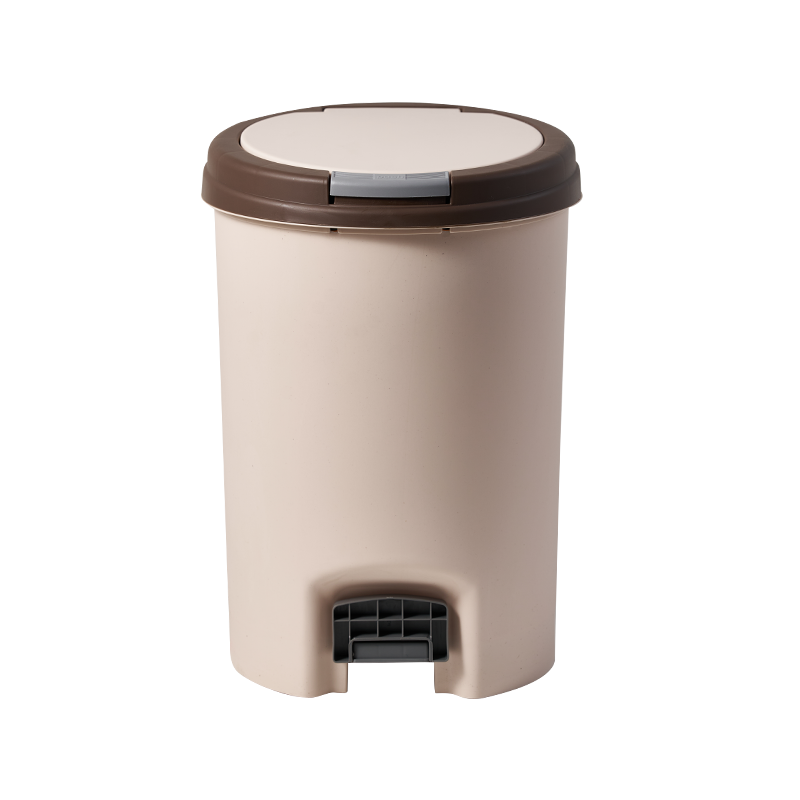
A round trash can encounters repeated cycles of filling and emptying in ordinary indoor and outdoor settings. Contents press outward against the walls as the level rises, and the same walls must return to their original form once the can is emptied and returned to service. Side pressure increases when material is compacted by hand or by the simple weight of additional layers placed on top. Occasional impacts occur during movement across floors, placement beside collection points, or contact with other containers in storage areas. Throughout these actions the circular shape needs to remain stable so the lid continues to fit correctly and the base stays level on the supporting surface.
The combination of outward force, vertical load, and intermittent shocks places continuous structural demands on the body of the can. In high-traffic locations the frequency of these events rises, while in quieter settings the loads may be lighter yet still accumulate over time. The can must therefore accommodate both steady pressure from its contents and sudden forces from handling without progressive loss of form. Shape retention under these conditions becomes a practical requirement rather than an optional feature, because any lasting distortion can affect lid closure, stacking, or ease of emptying.
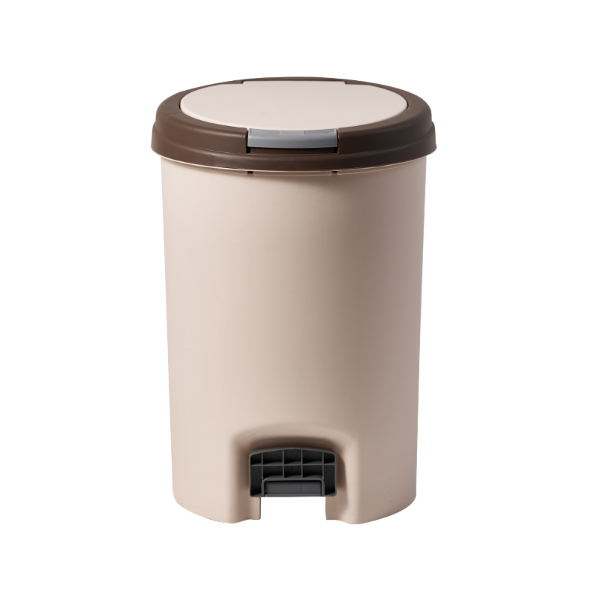
How does wall thickness relate to overall rigidity?
Wall thickness contributes directly to the cross-section that resists bending. A greater material depth increases the section's ability to oppose flex when side pressure is applied. The circular form itself distributes stress around the circumference, yet the amount of material present still determines how far the wall can deflect before permanent change appears. Thicker sections maintain the round profile under higher loads because the material offers more resistance to local curvature changes. Thinner sections allow greater flex, which can absorb minor impacts yet reduces the stiffness needed when the can is packed tightly.
The relationship between thickness and rigidity therefore governs how well the body holds its intended geometry during ordinary service. Consistency of thickness around the full circumference also matters; any local reduction can become a point where bending begins under load. Transition areas near the base and the rim experience additional stress concentrations, so uniform section depth in those zones helps keep the overall structure coherent. In practice the chosen thickness sets the baseline stiffness against which daily pressures are measured.
In what ways does thickness influence impact response?
When a can is struck or dropped, force enters at a local point and spreads through the wall. A thinner section tends to flex more readily at the point of contact, absorbing some energy through temporary deformation. A thicker section spreads the same force over a larger volume of material, reducing the depth of any single dent or crease. The difference appears in long-term shape stability: repeated flexing of a thinner wall can gradually alter the circular outline, while a thicker wall returns closer to its original form after each event.
The transition zones near the base and rim also respond according to local thickness. Consistent section depth helps keep those areas from becoming weak points under shock. Impact direction further influences the result; a blow near the mid-height of a thinner wall may produce a more noticeable inward curve than the same blow on a thicker wall. Over many handling cycles these small differences accumulate, affecting whether the can continues to sit level and accept its lid without resistance.
How does thickness affect load-bearing under filled conditions?
Once the can is filled, vertical load from the contents travels from the upper layers down to the base while side pressure simultaneously pushes outward. A consistent wall thickness supports both directions of force by providing continuous material from rim to base. Under tight packing the wall must resist bulging so the circular shape does not become oval or irregular. Thicker sections supply greater resistance to that outward movement and help the can remain upright without visible distortion. Thinner sections may allow expansion under the same load, which can affect lid fit and stability on uneven floors.
Practical observations during use often include:
- degree of outward curve when the can is packed to capacity
- ease of lid placement after repeated filling cycles
- presence of flat spots or irregularities after emptying
- stability of the base when the can is moved while full
The practical outcome is that thickness influences how reliably the can carries its contents while preserving the geometry required for daily handling and emptying. A Durable Round Trash Can relies on this relationship between wall section and load response to maintain function across repeated service cycles.
Which practical factors guide thickness selection for different settings?
Thickness selection follows from the conditions the can will meet in service. Frequency of emptying and handling determines how often the walls experience repeated stress cycles. A setting with multiple daily collections places higher cumulative demand on the structure than one with infrequent use. Typical weight and type of contents further shape the requirement: denser or more compactable material generates greater side pressure, while lighter contents reduce the outward load. Exposure to outdoor weather or high-traffic indoor areas adds external impacts and temperature variation that the wall section must accommodate.
These factors are reviewed together rather than in isolation. A can intended for steady indoor office use may operate with a lighter section, while one placed in a busy service corridor or exterior collection point benefits from greater material depth to resist both internal pressure and external contact. The choice remains practical: match the wall section to the expected combination of load, frequency, and environment so the can continues to function without progressive distortion.
| Attribute | Thinner Wall Section | Thicker Wall Section | Typical Consideration |
| Rigidity under side pressure | Greater tendency to flex | Higher resistance to bending | Expected compaction level |
| Impact behavior | More local deformation possible | Broader energy distribution | Handling and transport conditions |
| Shape retention when full | Higher risk of bulging | Improved ability to stay circular | Average fill weight |
| Overall structural response | Lighter feel with reduced stiffness | Increased stiffness with added mass | Balance of strength and daily handling |
Why does thickness remain a central factor in long-term performance?
Repeated stress cycles accumulate over the service life of the can. Each filling, compaction, and emptying event applies pressure to the walls; each impact or movement adds further load. Material distribution across the wall section determines how those forces are absorbed and whether the circular form returns to its original state afterward. A section that is adequate for early use may still allow gradual change if the cumulative demand exceeds its capacity to recover.
The practical link between wall thickness and reliable daily service therefore persists throughout the life of the can. Consistent section depth supports shape retention under both steady pressure and intermittent shock. When the wall section is matched to the actual conditions of use, the can continues to accept its lid, stand level, and empty cleanly across successive cycles. Thickness remains central because it governs the material available to resist the ongoing combination of internal load and external handling.
What should be reviewed when evaluating frame thickness?
Several points help confirm that a given wall section will perform under real conditions. Consistency of thickness around the full circumference is checked so that no local thin spots become starting points for deformation. Transition zones near the base and the rim receive particular attention because stress concentrates where the wall meets the bottom or the upper edge. Compatibility of the chosen thickness with the intended contents and the expected frequency of use is verified by considering both the average fill weight and the number of handling cycles.
A Durable Round Trash Can relies on these reviews to ensure the wall section matches the service environment. Visual inspection for uniform material depth, combined with an understanding of the loads the can will carry, provides a practical basis for selection. The process remains focused on the physical relationship between material distribution and the forces the can will encounter.
 Previous