English
 Español



A guest bathroom often has a different rhythm from a private bathroom. People may enter for a short visit, wash their hands, use the toilet, or tidy up before leaving. Movement tends to happen around a small number of fixed areas, so a floor item placed in the wrong spot can quickly become an obstacle.
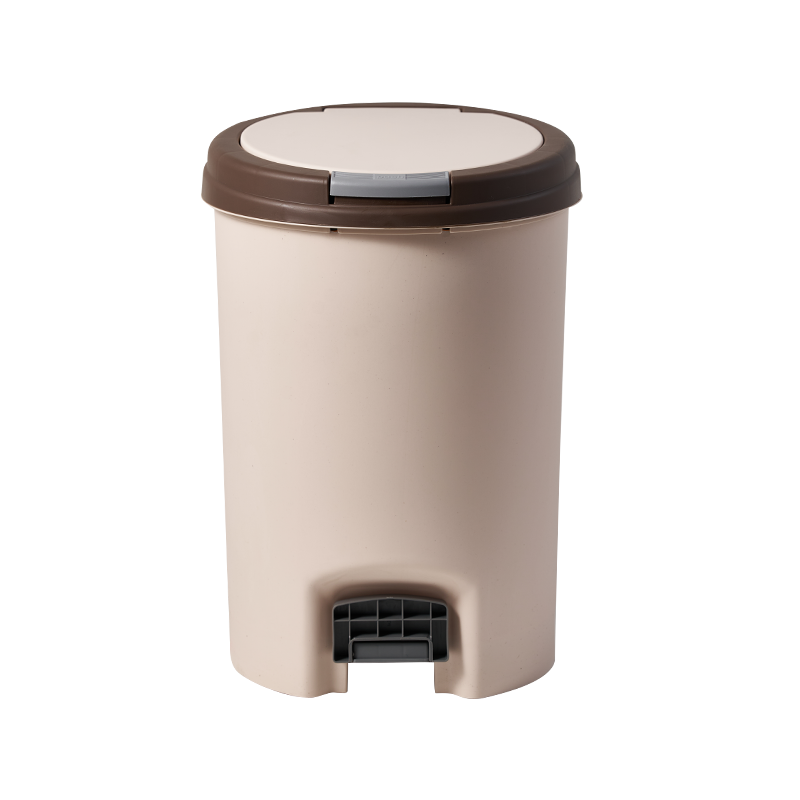
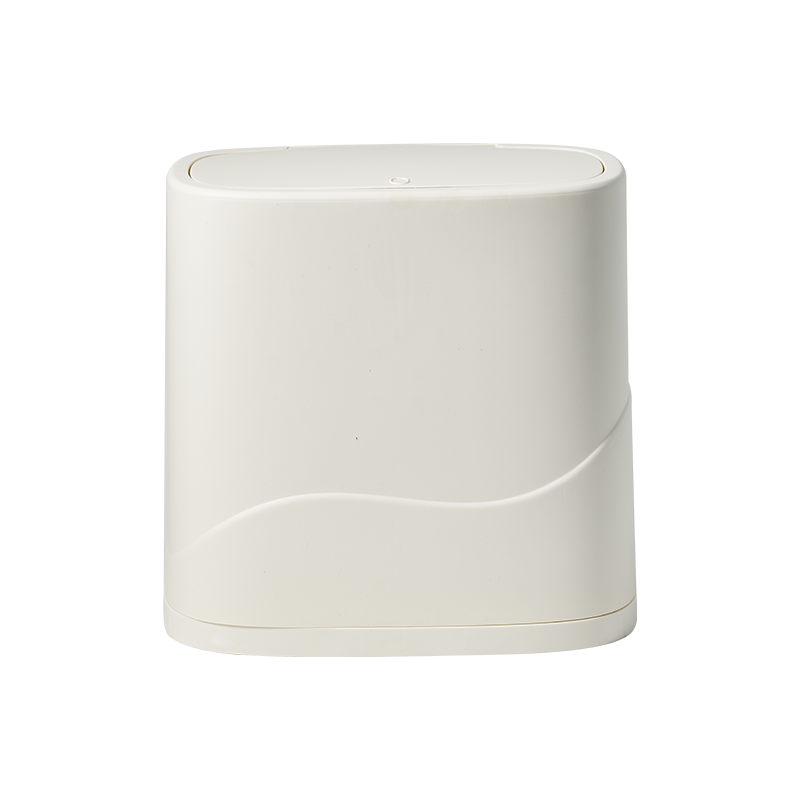
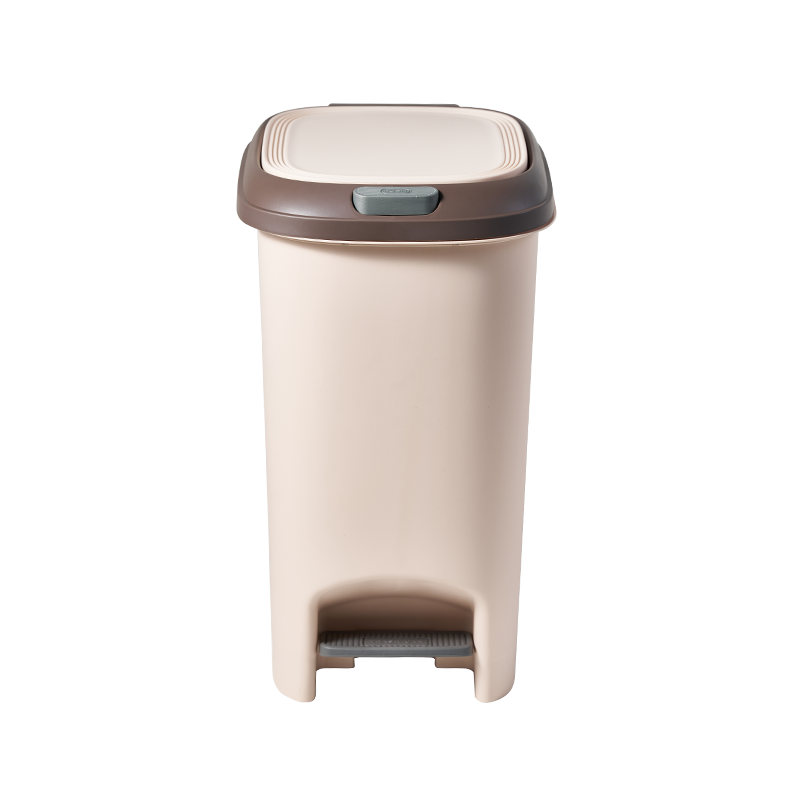
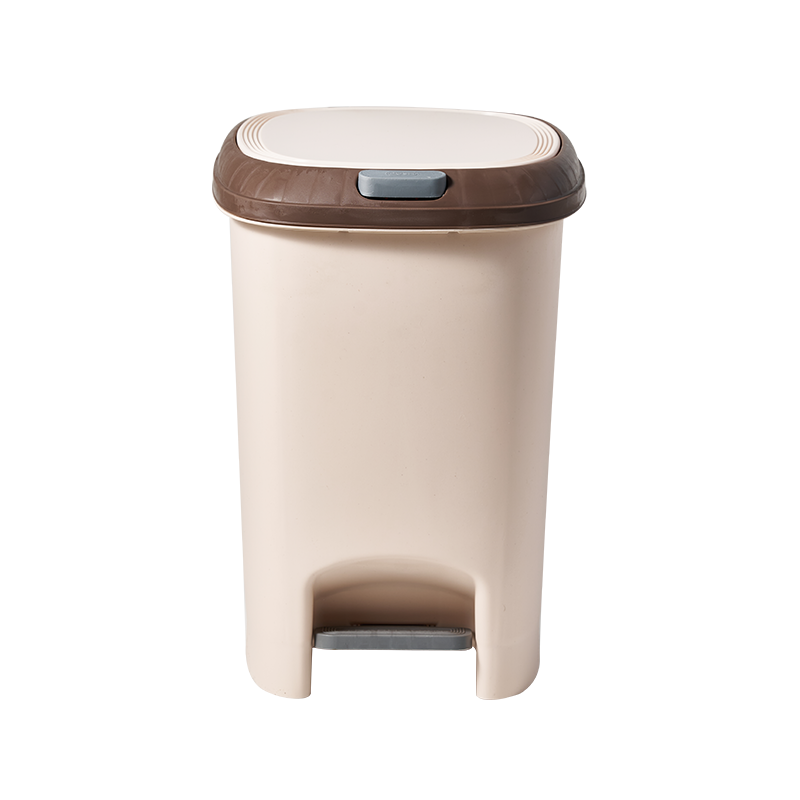
A corner can provide a practical place for waste disposal without taking space from the main walking area. Placing a Corner Bathroom Trash Can beside a wall may leave more room around the sink and entrance, especially where floor space is limited. Position alone, however, does not make a corner suitable.
A wall corner may sit close to a door, toilet, cabinet, or cleaning area. Guests need to reach the container without twisting around nearby fixtures, while household members still need enough room to remove a liner and clean the floor. A suitable location therefore needs to work from several directions rather than simply looking tidy from the doorway.
Visibility matters as well. A container hidden too deeply behind another object may be easy to overlook, especially for someone unfamiliar with the room. A corner works well when it keeps waste disposal within easy reach while staying outside the main path.
What Should You Measure Before Choosing a Corner Trash Can
Looking at a product size on its own can give an incomplete picture. Available floor space should be considered together with the surrounding area. A container may fit between two walls and still create trouble when its lid opens, when a person needs to pass nearby, or when a liner needs to be removed.
Start by looking at the intended corner from normal standing positions. Check how close it sits to nearby fixtures and whether enough space remains for comfortable movement. Door movement deserves attention too, since a container positioned near an entrance can become an obstruction when the door swings inward.
A few simple questions can help:
- Can a guest reach the opening without stepping around another fixture?
- Can a person remove a full liner without pulling the container far from the wall?
- Does the lid have enough room to open naturally?
- Can a cloth or mop reach the floor around the container?
- Will the container remain stable when someone uses it?
Height deserves attention alongside floor width. A narrow container can save floor space while still reaching a comfortable level for disposal. A shape that extends too far forward, on the other hand, may occupy part of a walkway even when its width appears suitable.
Measuring should therefore focus on usable space rather than an empty corner alone. Once nearby objects, door movement, cleaning access, and human movement are considered, the practical size range becomes easier to judge.
How Should the Shape Fit the Corner
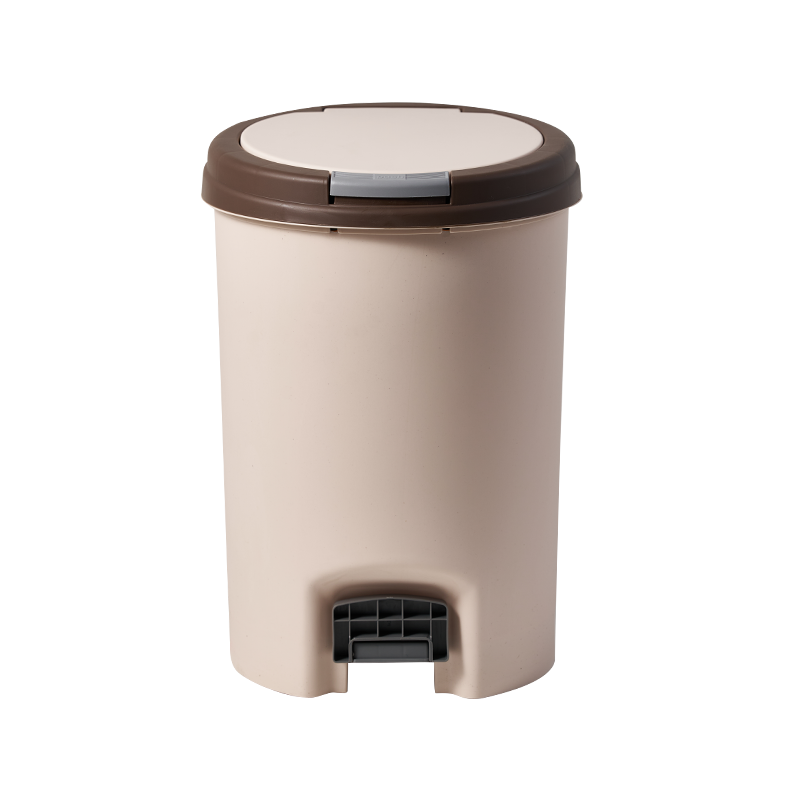
Shape has a direct relationship with how well a container settles into a corner. A round container can leave unused areas where two walls meet, while a design with flatter sides may sit closer to both surfaces. A curved form can still work well when enough surrounding space is available.
For a narrow guest bathroom, forward projection can matter more than overall volume. A container that extends several inches into the room may interfere with movement even when its footprint appears compact from another angle. Choosing a shape that stays close to the wall can help preserve a clearer path.
Corners also vary in shape. Some have cabinets on one side, while others sit beside a toilet or beneath a small shelf. A container intended for one arrangement may not suit another. Rather than choosing a shape simply because it is described as suitable for corners, consider how its sides and edges meet the actual walls and nearby objects.
Rounded edges can be useful around areas where people pass close to the container. Flatter sides can make better use of a tight corner. Neither approach works in every room, so the surrounding layout should guide the choice.
What Capacity Makes Sense for Guest Bathroom Use
A guest bathroom does not normally produce waste in the same way as a kitchen, laundry area, or bedroom. Waste usually comes from short visits and routine personal use, which means a large container may occupy space without providing much practical value.
Capacity should match how the room is used. A bathroom that receives occasional visitors may need only a modest container, while a frequently used guest space may require a little more room between liner changes. Choosing a very small container can create another problem when waste reaches the opening quickly and needs to be removed more often.
Size also affects appearance and movement. A large container can make a compact bathroom feel crowded, especially when placed beside a sink or toilet. A smaller model can blend into a corner more naturally while leaving room around nearby fixtures.
Rather than judging capacity alone, consider three related points:
- How often the bathroom is used
- Where the container can be placed without blocking movement
- How convenient liner replacement will be
A practical choice leaves enough room for ordinary waste while keeping the floor area manageable. Capacity should serve the room rather than determine its layout.
Should You Choose an Open or Lidded Design
An open container allows waste to be placed inside with very little effort. Guests can see the opening immediately, which can make disposal straightforward in an unfamiliar bathroom. Such a design may suit rooms where quick access is more important than keeping waste covered.
A lidded container creates a different experience. Waste stays less visible, and the bathroom can maintain a cleaner visual appearance between emptying periods. For a guest space, that difference can influence how comfortable the room feels.
Opening method deserves as much attention as the presence of a lid. A lid that requires an awkward hand movement may become inconvenient when a guest is carrying something or using the sink. A foot‑operated design avoids direct contact with the lid, while a hand‑operated version can have a simpler structure.
Placement changes the decision too. A container tucked beside a wall may need a lid that can open without hitting the wall or a nearby cabinet. Before buying, imagine how a person would approach the container, place waste inside, and move away again.
What Makes a Corner Trash Can Easy for Guests to Use
Guests usually have no reason to study the bathroom layout before using it. Waste disposal should therefore feel obvious without requiring instructions. A container placed in a visible corner, with an opening that can be reached naturally, tends to create less hesitation.
Accessibility is not only about distance. A trash can can be physically close while still being inconvenient when another object blocks its opening. Placement near a narrow gap may force users to reach sideways or bend around nearby fixtures.
For guest use, practical details include:
- A clearly visible opening
- A stable position on the floor
- Enough space around the lid or opening
- A location that does not interfere with normal movement
- Simple access for both guests and household members
A Corner Bathroom Trash Can works best when its corner position feels intentional rather than hidden. Guests should be able to identify its purpose quickly, while household members should be able to move, empty, and clean around it without rearranging the room each time.
How Does the Placement Affect Daily Bathroom Use
Once a suitable corner has been identified, its relationship with the rest of the bathroom still needs attention. A trash can may look neatly tucked against a wall, yet its actual position can affect several ordinary activities.
A location near the sink can make disposal convenient after washing or grooming. Such a position should still leave enough room for standing and moving around the basin. Placing the container too close to a toilet may reduce available space, especially in a compact room where several fixtures already sit close together.
Distance from wet areas deserves consideration as well. Water from a sink or shower can reach nearby surfaces during normal use, while a container placed directly beside a damp area may need more frequent wiping. A slightly separated position can make daily care easier without making disposal inconvenient.
Door movement is another practical concern. A corner behind an inward‑opening door may seem unused, yet the door could strike the container or make it difficult to reach. Checking the room while opening and closing the door gives a clearer picture than judging the empty corner alone.
Good placement usually comes from observing how people move through the room. A few minutes spent walking through normal routines can reveal problems that are easy to miss when choosing a location from a floor plan or a product image.
What Should You Look for in Easy Bag Replacement
Liner replacement becomes important once the trash can is placed in a corner. A container that requires frequent pulling away from the wall can become inconvenient, particularly when the available space is narrow.
The inner opening should allow a bag to be inserted without excessive folding or adjustment. A suitable fit helps keep the liner in place during ordinary use and reduces the chance of the bag slipping down into the container.
Removing a full bag requires similar attention. A person should be able to lift it out without scraping it against a nearby wall, cabinet, or fixture. When a container sits deep inside a corner, even a simple liner change can become awkward when the opening is difficult to access.
Bag replacement also relates to the rim. A loose edge may fall inward, while an exposed edge can affect the appearance of the bathroom. A structure that holds the liner in a simple and stable way can make routine maintenance less troublesome.
Before buying, it can be useful to imagine the entire process rather than only looking at the empty container:
- Place a fresh liner inside.
- Secure the upper edge.
- Use the container normally.
- Remove the filled liner.
- Wipe the inside before replacing it.
A design that allows each step without moving several nearby objects is easier to live with over time.
How Can the Design Avoid Becoming a Hard to Clean Corner
Corners naturally receive less attention during routine floor cleaning. Once a trash can occupies the area, dust and small pieces of waste may collect around its base, particularly when the container remains in the same position for long periods.
A movable container gives household members more freedom during cleaning. Lightweight construction can make lifting easier, while a stable base helps prevent unnecessary movement during everyday use. Both qualities have value, so one should not be considered without the other.
Bottom shape can influence cleaning as well. A complicated base may create narrow spaces that are difficult to wipe, while a simpler underside can make floor maintenance more straightforward. Rounded edges can reduce areas where dirt gathers around corners of the container itself.
Attention should extend to the lid and rim. Bathroom moisture, dust, and small residues can settle around joints or edges during ordinary use. A structure with fewer difficult‑to‑reach areas is easier to maintain with routine wiping.
Placement should leave enough room for cleaning tools to reach nearby flooring. Even a well‑designed Corner Bathroom Trash Can can become inconvenient when squeezed tightly between two objects. A small amount of accessible space around it can make a noticeable difference during regular bathroom care.
Which Details Matter More in a Guest Bathroom
Choosing a trash can for a guest bathroom involves several small decisions that are connected to one another. Size affects placement, placement affects accessibility, and the shape can influence both cleaning and movement.
| Guest Bathroom Concern | What to Check |
|---|---|
| Limited corner space | Overall footprint and available clearance |
| Guest accessibility | Easy‑to‑see and easy‑to‑reach position |
| Daily waste | Capacity suited to actual bathroom use |
| Waste visibility | Open or lidded structure |
| Bag replacement | Simple liner fitting and removal |
| Floor cleaning | Easy movement around the container |
Looking at the choices together can prevent one feature from dominating the decision. A container with a compact footprint may seem suitable until the lid cannot open properly. A larger opening may make disposal easier while taking up more room near the walkway. Each detail should be considered in relation to the space where the container will actually be used.
For a guest bathroom, convenience often comes from small practical adjustments rather than added functions. A suitable height, reachable opening, stable base, and accessible position can matter more than decorative details that do not change daily use.
What Should You Avoid When Buying for a Corner Space
One common mistake is choosing a container based only on how it looks in an empty setting. A product can appear compact while extending farther into the room than expected once placed beside a wall or fixture.
Another issue occurs when the container fits into the corner but cannot be used comfortably. A narrow gap may leave little room to open a lid, place waste inside, or remove a liner. Such an arrangement technically uses the corner while making ordinary tasks harder.
Very deep placement can create a visibility problem too. Guests may not notice a container hidden behind a door, cabinet, or other bathroom item. Moving it closer to the main activity area can improve access, although the new position still needs to preserve walking space.
Cleaning should not be treated as an afterthought. A container that cannot be moved easily may make floor care more difficult. Likewise, a complicated inner structure can add unnecessary work during liner changes and wiping.
Several warning signs are worth checking before purchase:
- The container blocks part of the doorway.
- A lid cannot open without touching a wall or nearby fixture.
- A full liner cannot be removed without moving other objects.
- The corner leaves little room for floor cleaning.
- Guests need to reach behind another item to use the opening.
Avoiding such problems usually requires less attention to decorative features and more attention to the actual room layout.
How Can You Make the Final Choice for a Guest Bathroom
A sensible selection starts with the corner rather than the container. Once the available area, door movement, nearby fixtures, and walking route are clear, choosing a suitable size and shape becomes easier.
Capacity can then be considered according to the way the bathroom is used. A modest guest space may not need a large container, while a room used regularly may benefit from additional room between liner changes. Either way, the container should fit naturally into its assigned position.
Next, consider how visitors will interact with it. An open design may provide quick access, while a lidded version can keep waste less visible. Liner replacement, cleaning, and movement should remain convenient regardless of the chosen style.
Appearance can come into the decision near the end. A simple shape that sits naturally beside the wall can maintain a tidy visual arrangement without drawing unnecessary attention. For a guest bathroom, quiet integration with the surrounding space can be more useful than a design that demands attention.
A practical buying process can therefore follow a simple order:
Measure the space → check the movement path → choose a suitable shape → match the capacity → consider the lid → check liner replacement → consider cleaning access
A Corner Bathroom Trash Can is part of the room's layout once it has been placed in a corner. Its usefulness depends on how naturally it fits into movement, waste disposal, liner replacement, and routine cleaning. Looking at those daily actions together makes it easier to choose a container that works with the guest bathroom rather than simply occupying an empty corner.
 Previous