English
 Español



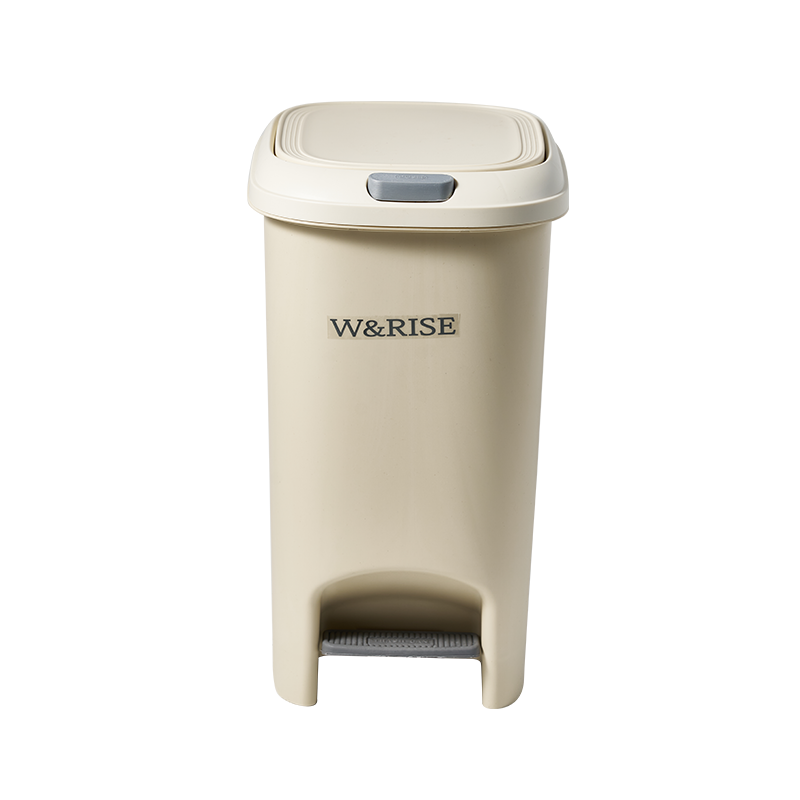
A pedal waste bin looks simple from the outside, yet several parts work together every time the lid opens or closes. Pressing the foot pedal starts a chain of movement that passes through the lower support, connecting parts and lid hinge before the cover reaches its open position. A small change in one area can therefore influence several other parts.
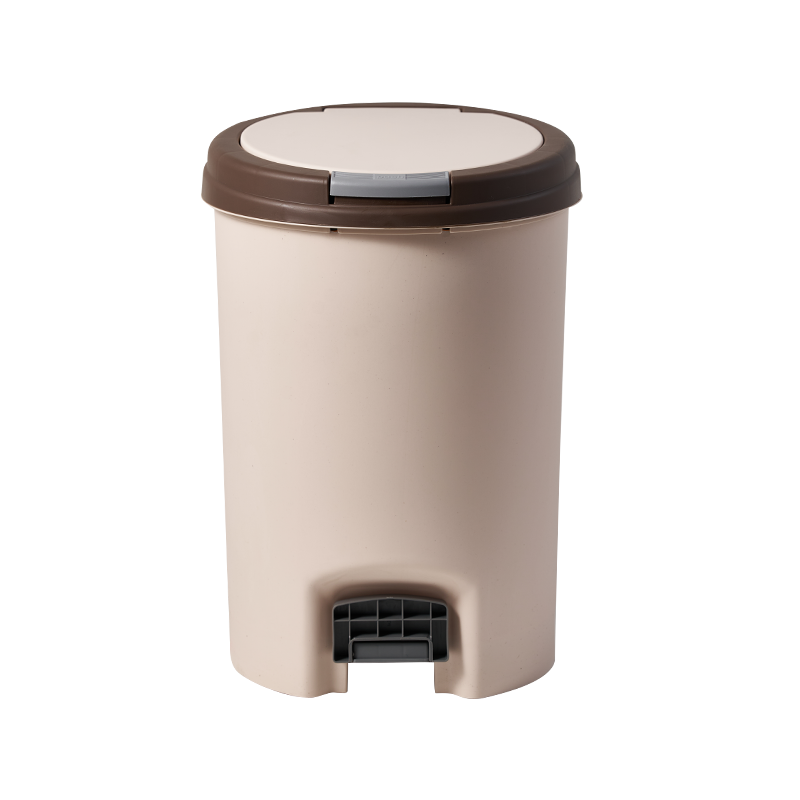
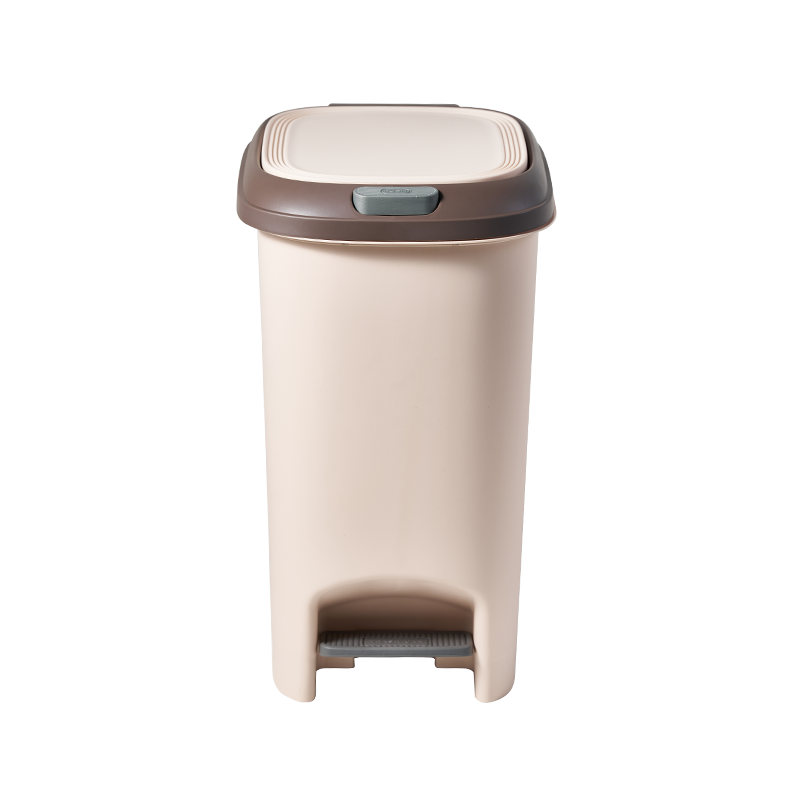
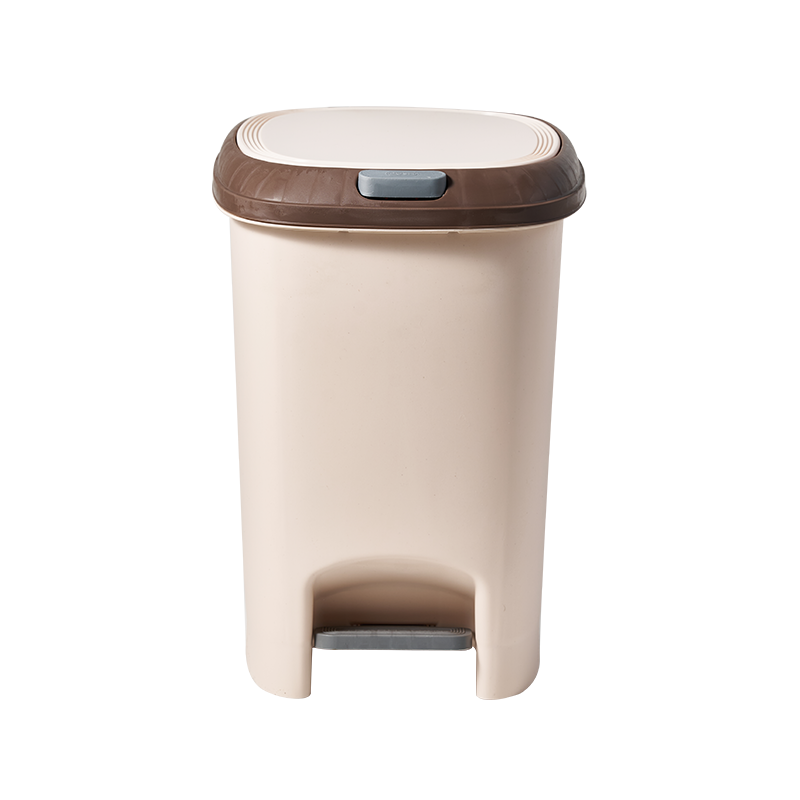
For a Plastic Pedal Waste Bin, the body has a role beyond holding waste. Its upper edge supports the lid connection, while the lower section provides a base for the pedal mechanism. Internal and external surfaces also help keep moving parts in their intended positions. If the body bends or loses its shape around a connection point, the pedal may no longer move in the same way.
The relationship can be viewed as a simple chain:
Foot pressure → pedal movement → connection movement → lid movement
Each step depends on the previous one. A pedal that feels loose may not have a problem at the pedal itself; the cause could come from a hinge, connecting piece or mounting point farther along the mechanism.
Daily performance therefore depends on the interaction between structural parts rather than on one component alone. A well‑arranged body can give moving parts a stable foundation, helping the opening system work with less unnecessary movement.
How Does the Main Body Support Daily Pedal Operation
A waste bin body carries the main structural load while also providing mounting locations for several working parts. At the upper section, the rim supports the closed lid and its hinge area. Near the bottom, the body holds the pedal and related connections.
Pedal operation places repeated pressure on the lower front area. When a foot presses downward, the force moves through the pedal and into the linkage. The body needs to keep the pedal position stable during that movement. A flexible or poorly supported mounting area can allow the pedal to shift instead of transferring movement efficiently.
Shape also plays a part. Broad surfaces can help distribute pressure, while reinforced areas around mounting points can reduce movement at locations where parts are attached. Internal supports may serve a similar purpose without taking up unnecessary usable space.
Several body areas deserve attention:
- Upper rim: supports the lid area and helps maintain its position.
- Lower base: provides support for pedal movement.
- Side walls: help keep internal connections aligned.
- Mounting sections: hold hinges or linkage parts in place.
A change in one area can affect another. For example, movement around the lower mounting section may alter the position of the pedal, while deformation near the upper edge can affect lid alignment.
For that reason, body design needs to consider the movement system from both ends rather than treating the container as a simple shell.
Why Does the Foot Pedal Experience Repeated Stress
The foot pedal receives direct pressure during normal operation, making it one of the parts that experiences repeated mechanical loading. Each press causes the pedal to rotate or move around its support point, then transfers that motion toward the lid.
A pedal needs enough support around its pivot area to remain stable during movement. A weak connection may gradually become loose, while excessive flexibility can change how much movement reaches the connecting mechanism.
Shape also affects how pressure is distributed. A broad stepping surface allows force to reach the pedal more naturally, while the rear section needs to connect securely with the mechanism that lifts the lid.
A useful way to look at the pedal is through three separate areas:
| Pedal Area | Main Function | Possible Structural Concern |
|---|---|---|
| Stepping surface | Receives foot pressure | Bending or deformation |
| Pivot area | Allows pedal movement | Looseness or wear |
| Rear connection | Transfers movement | Misalignment or separation |
A pedal does not need to carry the entire lid‑opening load by itself. Its main task is to begin the movement and pass force into the connected structure. Once that relationship is clear, the importance of the pivot and rear connection becomes easier to see.
Repeated pressure can also expose small weaknesses that are not obvious during initial use. A mounting point that moves slightly may gradually affect the rest of the opening mechanism.
How Does the Linkage Transfer Pedal Movement to the Lid
A pedal normally needs a connecting structure to pass its movement toward the lid. Depending on the design, a rod, strap or other linkage can connect the lower pedal area with the upper cover. Technical designs for pedal‑operated bins commonly use a linkage between the pedal and lid, with the lid supported by a hinge near the upper part of the container.
When the pedal moves downward, the linkage changes position and causes the lid to pivot. Once pressure is released, the opening mechanism returns toward its original position, allowing the cover to close.
The connection points deserve particular attention because movement is transferred through them rather than across one solid piece. A loose joint can introduce unwanted movement, while a bent connecting part can change the direction of force.
A practical arrangement needs to maintain a suitable relationship between:
- Pedal travel
- Linkage position
- Lid movement
- Hinge location
Changing one part can alter the movement of the others. A linkage that is too long, too short or poorly positioned may prevent the lid from opening as intended.
Some pedal‑bin designs place the connecting element along the rear side of the container, creating a direct relationship between the lower mechanism and the lid. Such layouts also show why internal clearance matters. Moving parts need enough room to travel without rubbing against the surrounding body.
Why Does the Lid Hinge Affect Long Term Performance
A lid hinge may appear small compared with the body, yet it carries an important part of the opening process. Every pedal action eventually produces movement around the hinge, so the connection must allow repeated rotation while keeping the lid aligned.
Hinge position affects how force is distributed. A cover with an uneven weight balance can place more pressure around one side of the connection. A hinge that shifts from its intended position may cause the lid to sit unevenly or close against the rim in an inconsistent way.
Hinge design also needs to work with the linkage. The pedal mechanism pushes or pulls the lid through a specific path, while the hinge determines how the lid responds. A mismatch between both parts can create unnecessary resistance.
Some designs also include a mechanism that slows the closing movement, reducing the speed at which the lid returns to the closed position. Such arrangements show that lid movement involves more than simply connecting a cover to the body.
A stable hinge helps keep the opening path consistent, while a suitable connection between hinge and body prevents unwanted movement around the upper edge. In a plastic construction, careful support around the hinge area becomes especially relevant because the surrounding body forms part of the connection.
How Does the Bottom Structure Affect Pedal Stability
A pedal needs a firm base to work properly, and much of that support comes from the lower part of the bin. Foot pressure travels through the pedal into its mounting area, so movement at the bottom can affect the whole opening process.
A stable base helps keep the pedal at a consistent height and position. When the body rocks during use, part of the foot pressure may be spent moving the container rather than operating the lid. A loose or uneven base can also change the angle at which the pedal moves.
For a Plastic Pedal Waste Bin, several lower sections can work together:
- Base surface: keeps the container steady on the floor.
- Pedal support: holds the stepping part in its working position.
- Mounting area: connects the pedal with the body.
- Bottom frame or reinforcement: helps distribute pressure around the lower structure.
Floor contact also matters. A smooth, stable surface gives the base a predictable position, while an uneven floor can make the bin move slightly during operation. Such movement may seem minor during a single use, although repeated rocking can place extra stress on mounting areas.
A well‑planned bottom structure does not need to be complicated. What matters is keeping the pedal, body and floor contact in a suitable relationship so that pressure travels through the intended path.
Which Structural Relationships Influence Opening Smoothness
Opening performance comes from several connected parts rather than one isolated component. Pressing the pedal starts movement at the bottom, while the linkage carries that movement upward and the hinge turns the lid. Each section needs to move within its intended range.
A useful way to view the system is as a chain of controlled actions:
Pedal moves → linkage transfers force → hinge guides rotation → lid opens
Resistance at any point can affect the following step. A pedal may feel stiff because of contact near its mounting area, while a lid that does not open fully could be related to the linkage or hinge rather than the cover itself.
Clearance is another consideration. Moving parts need enough room to operate without rubbing against the body. Too much free movement can create looseness, while too little space may cause contact during operation.
Alignment also deserves attention. When a linkage is slightly out of position, force may travel at an unwanted angle. Part of the pedal movement can then be lost through side movement instead of helping lift the lid.
For structural design, several relationships need to remain coordinated:
| Connected Parts | Role in Opening | What Can Change With Poor Fit |
|---|---|---|
| Pedal and mounting point | Starts movement | Pedal may feel loose |
| Pedal and linkage | Transfers pressure | Part of movement may be lost |
| Linkage and lid | Lifts the cover | Opening range may change |
| Lid and hinge | Controls rotation | Cover may sit unevenly |
| Base and pedal | Provides stability | Bin may rock during use |
Looking at the complete movement path can make structural problems easier to identify. A visible issue at the lid may have started lower down, while a pedal problem may come from a mounting point rather than from the stepping surface.
What Manufacturing Details Can Affect Structural Consistency
Manufacturing consistency matters because several separate parts need to fit together after production. A pedal, hinge, linkage and bin body may each appear suitable on their own, yet small differences in mounting positions can affect how the complete system operates.
Plastic forming can also influence shape. Cooling and release from a mold may cause slight changes in a part, so structural areas around hinges, pedal supports and connecting points require careful attention during production.
Hole position is another practical concern. A hinge hole or pedal mounting hole that sits outside its intended location can alter the movement path. Similar issues may occur when connecting parts have inconsistent dimensions.
A simple production check can focus on areas such as:
- Pedal mounting position
- Hinge alignment
- Linkage connection points
- Body shape around structural joints
- Contact between moving parts
For a Plastic Pedal Waste Bin, consistency does not mean every section needs the same level of reinforcement. Load and movement vary from one location to another, so structural support should follow actual use.
Excess material around an area may add bulk without addressing the real source of movement. A more useful approach is to identify where pressure enters the structure, where it travels and where parts change direction.
How Can Structural Inspection Help Prevent Common Problems
Small changes in operation can provide useful clues about structural condition. A pedal that begins to move sideways, a lid that closes unevenly or a linkage that makes unusual contact may indicate a change somewhere in the mechanism.
Inspection can begin with the pedal because it is easy to access. Checking its movement and mounting point can reveal looseness or unusual resistance. Attention can then move upward toward the linkage and hinge.
A lid that fails to close evenly may have several possible causes. The cover itself may have shifted, the hinge may have moved, or the connecting structure may no longer sit in its intended position. Looking at only one component can miss the relationship between them.
For routine checks, a practical sequence can be:
- Press the pedal and observe its movement.
- Check whether the bin remains stable on the floor.
- Watch the linkage while the lid opens.
- Observe whether the lid follows a smooth path.
- Check visible mounting areas for looseness or damage.
No complicated procedure is required for an initial visual check. Regular attention to moving joints can help identify changes before a small structural issue affects several connected parts.
Maintenance also benefits from keeping the mechanism clean. Dust or waste particles around moving sections can interfere with normal movement, particularly near joints and contact areas.
Why Does Balanced Structure Matter for a Pedal Waste Bin
A pedal‑operated bin depends on cooperation between parts that have different jobs. The body provides the framework, the pedal receives foot pressure, the linkage transfers movement, the hinge controls lid rotation, and the base keeps the system stable.
No single component determines the complete working life. A strong body cannot fully compensate for a loose hinge, while a stable pedal cannot correct poor alignment higher in the opening mechanism. Each part needs to perform its own task while remaining compatible with the surrounding structure.
For manufacturers, structural balance begins during design. Mounting points, moving distances and support areas need to be considered together. During production, consistent dimensions help preserve the intended relationships after assembly.
For users and maintenance staff, changes in everyday operation can offer useful information. A harder pedal, uneven lid movement or increased rocking may signal a structural change worth checking.
Long‑term performance therefore comes from a connected system rather than from one reinforced section. In a Plastic Pedal Waste Bin, the body, pedal, linkage, hinge and bottom support form a working path from foot pressure to lid movement. Keeping that path stable helps maintain consistent opening and closing as ordinary use continues.
 Previous