English
 Español




Waste collection looks different depending on which room you're standing in. A kitchen produces food scraps and packaging, an office collects paper and disposable cups, and a shared hallway might just need somewhere for general rubbish. Every area needs a place to toss things, sure, but the space available, the type of waste, and the cleaning habits involved can shift quite a bit from one room to the next.
Picking a workable plastic trash bin takes more than finding something that fits an empty corner. The opening method, lid design, container shape, and how easy the thing is to move around all shape how people actually use it throughout the day. A bin working fine beside a kitchen counter might turn into a nuisance stuffed into a narrow hallway or a busy office floor.
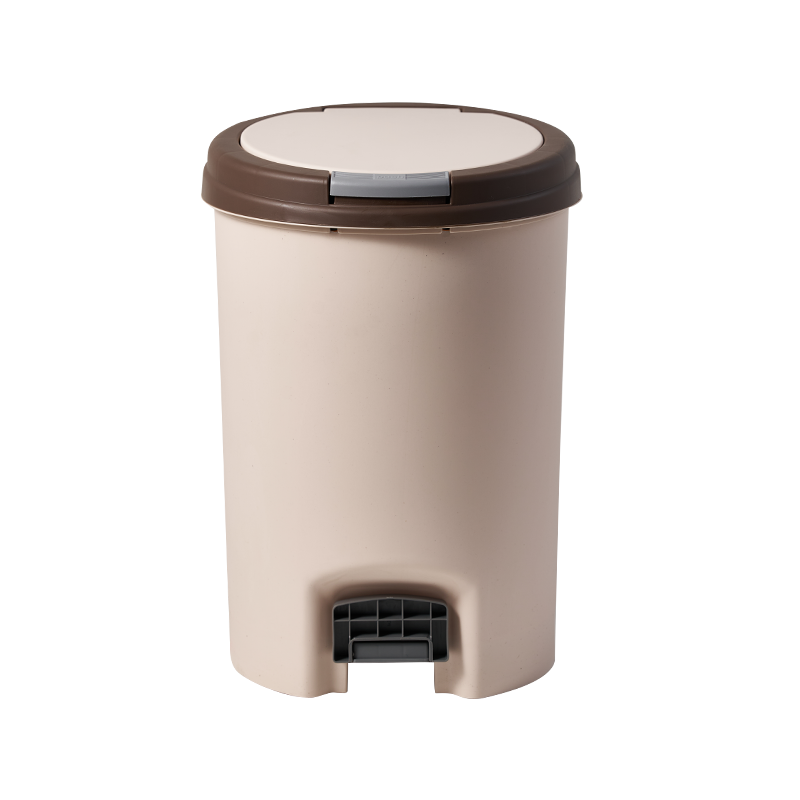
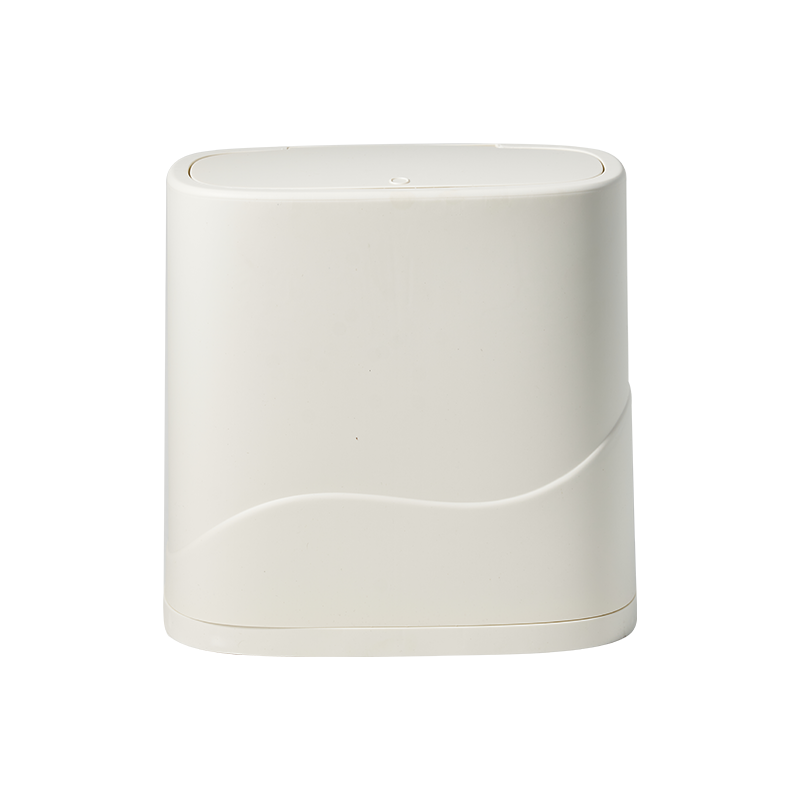
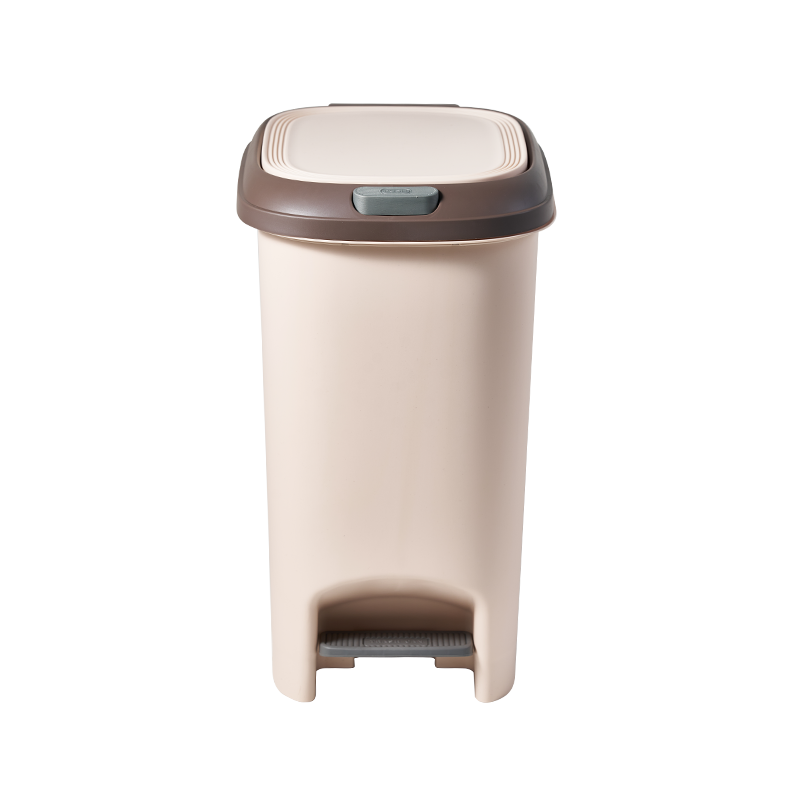
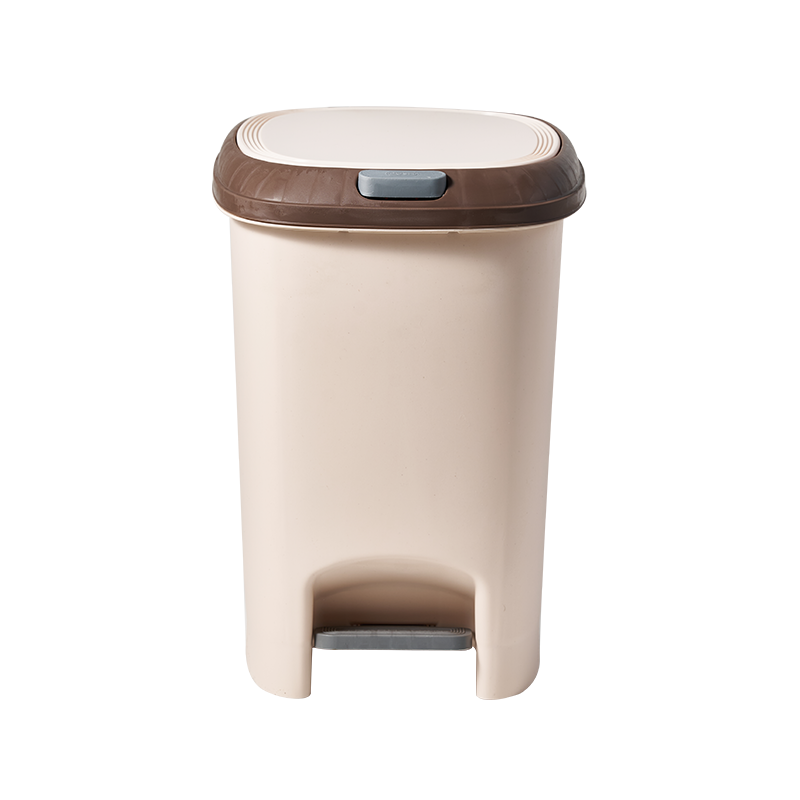
A covered trash can keeps waste out of sight, while a plastic trash bin with a pedal gives hands-free access when someone doesn't want lifting a lid manually. Other corners of the house might do just fine with a plain open container for quick disposal of dry waste. Matching the bin to its surroundings is really what keeps a collection area feeling organized rather than cluttered.
Why Should the Area Shape the Bin Choice?
Every room runs on its own rhythm. People toss things out while cooking, working, cleaning, or just passing through on their way somewhere else, and that rhythm shapes where a bin should sit and how easily it needs reaching. A container too large can block movement, while one too small ends up needing emptying constantly in a busy spot.
Before settling on a bin, it helps weighing a few practical angles: what kind of waste the room produces, whether the bin fits without blocking a walkway or cupboard, how often disposal happens there, whether the body and lid stay reachable for cleaning, and how people tend to move through that space while carrying things. These details keep a purchase grounded in how the room actually functions, not just how the bin looks on a shelf.
How Should a Kitchen Bin Fit the Room?
Kitchens rank among the busiest waste spots in any home, generating peelings, packaging, and scraps throughout the day. The bin needs staying reachable without eating into counter space people actually use for cooking. Some households tuck it beside the counter, others place it under the sink, and the direction the lid swings open can make or break how convenient that spot feels day to day.
A lid helps keep food waste out of view between collection runs, and a pedal design means someone holding scraps in both hands doesn't need setting everything down just to pop the lid open. A smaller household might generate little enough waste that size barely matters, while a busier kitchen needs something that can handle frequent trips without turning into another obstacle on the floor.
What Works for Under-Sink Placement?
Tucking a bin under the sink uses space that would otherwise sit empty, keeping it away from the main counter. That said, this spot demands attention to cabinet dimensions and how the doors swing. A lid catching against the countertop or plumbing means pulling the whole container out every time, which turns a tidy-looking setup into a chore during actual cooking.
| Under-Sink Factor | Practical Requirement |
|---|---|
| Cabinet clearance | Leaves room for the bin and lid |
| Door movement | Lets the cabinet open freely |
| Bag replacement | Allows removing a full bag easily |
| Cleaning access | Keeps the interior and floor reachable |
| Daily use | Stays convenient during meal prep |
An open-top bin suits tighter vertical clearance, while a covered model works once the cabinet gives the lid room to move. The bin and cabinet really need considering together here, since a container that's hard to pull out or empty ends up getting rearranged constantly.
When Does a Covered Bin Suit Living Spaces?
Living rooms and bedrooms generally collect different waste than kitchens — paper, tissues, snack wrappers, that sort of thing. Appearance and placement carry more weight in these spots than opening mechanics do. A covered trash can keeps things less visible and helps a room look tidier between cleanups, and a compact shape slots in beside a desk or sofa without drawing attention.
A pedal-operated lid comes in handy when hands are occupied, though it's not strictly necessary for a bin mostly holding dry paper. A simple lid or open design often does the job fine where disposal happens occasionally and the waste doesn't need covering. Plastic stays easy moving and wiping down, which matters in rooms where furniture gets shuffled around during cleaning.
How Should Offices Organize Collection Points?
Offices generate waste at desks, in meeting rooms, near printers, and in shared break areas, and each spot sees different use patterns. A desk bin mostly holds paper and small packaging, while a break-room container ends up catching food wrappers and cups.
One configuration rarely suits every corner of an office. Small bins work fine beside individual desks since they take up little floor space, while shared rooms need something larger that several people can use without crowding. An open bin handles quick paper disposal, while a lidded container suits spots generating food waste, and a pedal design cuts down lid contact in shared areas — provided the pedal itself gets included in routine cleaning rather than ignored.
What Should Retail Spaces Weigh?
Retail floors mix customer traffic with staff work, and waste comes from packaging, receipts, and restocking materials. A bin near checkout shouldn't block customer movement or clash with the store's look, while back rooms can prioritize practical access over appearance.
| Food Service Area | Configuration Consideration |
|---|---|
| Food preparation | Convenient opening, accessible cleaning |
| Dishwashing area | Placement away from work movement |
| Dining space | Neat appearance, easy access |
| Staff room | Practical capacity for shared use |
| Storage area | Room for collection and bag swaps |
Covered containers help keep visible waste out of customer sight, while pedal bins support staff handling stock or cleaning supplies in back areas. Retailers also need planning where full bags actually go, since a bin that's hard moving or emptying disrupts other tasks during a shift.
How Do Restaurants Differ From Other Spaces?
Food service areas generate waste at several distinct points — prep areas produce scraps and packaging, dining areas collect napkins, and staff rooms handle general rubbish. These streams often need separate containers under a facility's own procedures rather than one bin trying to cover everything.
A pedal bin suits prep areas where staff hands are usually full, and a lid keeps waste covered between disposal and pickup. Positioning matters too, since staff shouldn't be reaching across prep surfaces or blocking coworkers just to toss something out. Hygiene requirements should guide the actual choice here, since a pedal mechanism doesn't remove the need for regular cleaning.
How Should a Bathroom Bin Fit?
Bathrooms run on limited floor space and produce fairly modest waste — tissues, empty packaging, that kind of thing. The bin needs fitting without blocking the doorway or cabinet, and moisture becomes a real consideration here. The bin should wipe clean easily, and its spot should let the floor underneath get cleaned too, since damp waste sitting too long creates odors no lid alone will fix.
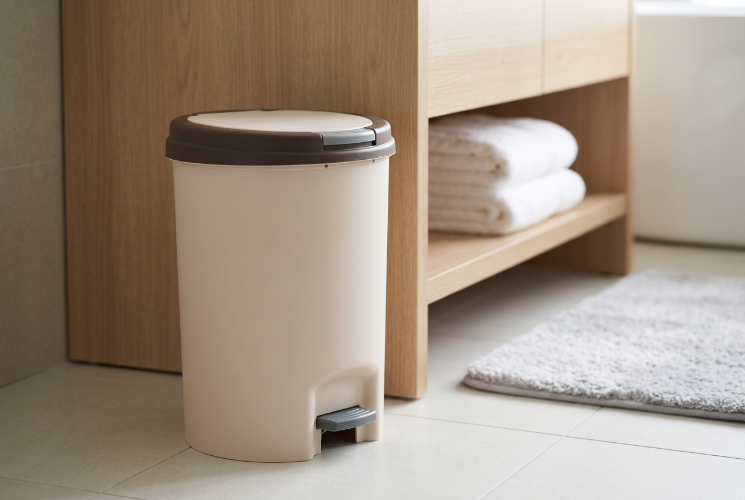
A compact design with a lid keeps contents out of sight, and a pedal setup means not bending down to lift a cover by hand. A removable inner bucket, where available, makes emptying noticeably simpler.
What Suits Corridors and Shared Entrances?
Corridors see constant foot traffic, so a bin sticking into the walking path becomes an actual obstacle, especially when people are carrying bags through. A slim bin fits better along a wall, and its lid shouldn't swing into a doorway or block nearby equipment. A covered design helps keep rubbish less visible between scheduled pickups in shared entrances.
Property managers also need considering the collection route itself, since cleaning staff need enough room pulling bags out and returning the container to its spot without wrestling with tight corners.
How Should Buyers Compare Pedal Bins With Other Options?
A pedal mechanism adds convenience, though it's not necessary everywhere. The useful question is whether hands-free opening actually improves what's happening around that particular bin.
| Comparison Point | What to Check |
|---|---|
| Opening method | Hands-free access versus quick open access |
| Lid design | Fit with waste type and surrounding space |
| Container shape | Fit without blocking movement |
| Cleaning access | Reach to interior and contact surfaces |
| Emptying routine | Ease of removing and replacing bags |
A pedal bin suits kitchens and shared staff rooms where hands are often occupied, while a basic lidded container might cover a bedroom just fine, and an open-top bin handles paper where quick access matters more than covering contents. Running through this comparison keeps the choice tied to the actual task rather than habit.
How Can Layouts Support Easier Daily Cleaning?
A well-planned collection area gives each bin a clear job — food waste near the kitchen counter, paper near desks, general rubbish somewhere people can reach without crossing busy routes. The layout also needs leaving room for cleaning itself, since a bin jammed against a wall becomes hard moving, and one sitting in a doorway interrupts both people and whoever's running a mop through later.
Keeping containers in consistent spots makes them easier finding and returning after emptying. Lids, pedals, rims, and inner surfaces all collect dirt during regular use, so cleaning methods should follow whatever care instructions came with the product and the actual demands of that room. Focusing on how waste type, layout, opening style, and upkeep connect makes it easier to pick something fitting the task rather than expecting one design to work everywhere in the house.
 Previous