English
 Español



A waste bin lid is often touched at a moment when hands may already be carrying food scraps, used tissues, packaging, or bathroom waste. Foot operation changes that routine by moving the opening control from the hand to the foot. Pressing a pedal lifts the lid through an internal linkage, allowing waste to be placed inside without directly touching the lid.
Hands-free disposal does not replace normal cleaning. Rather, it reduces one point of contact during ordinary waste handling. For kitchen and bathroom use, such a small change can fit naturally into daily routines because the user can open the container while keeping both hands available.
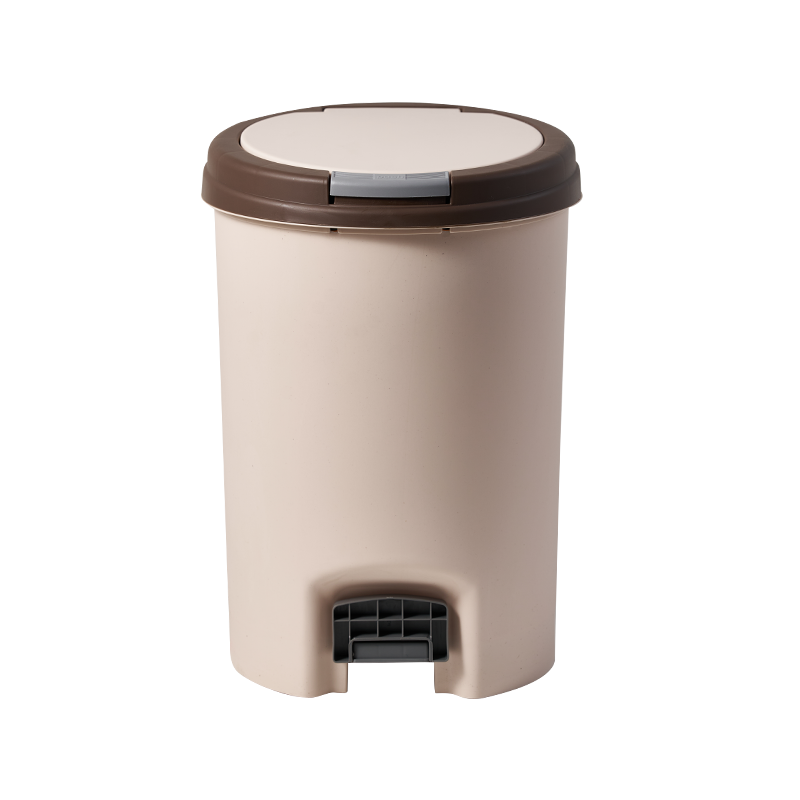
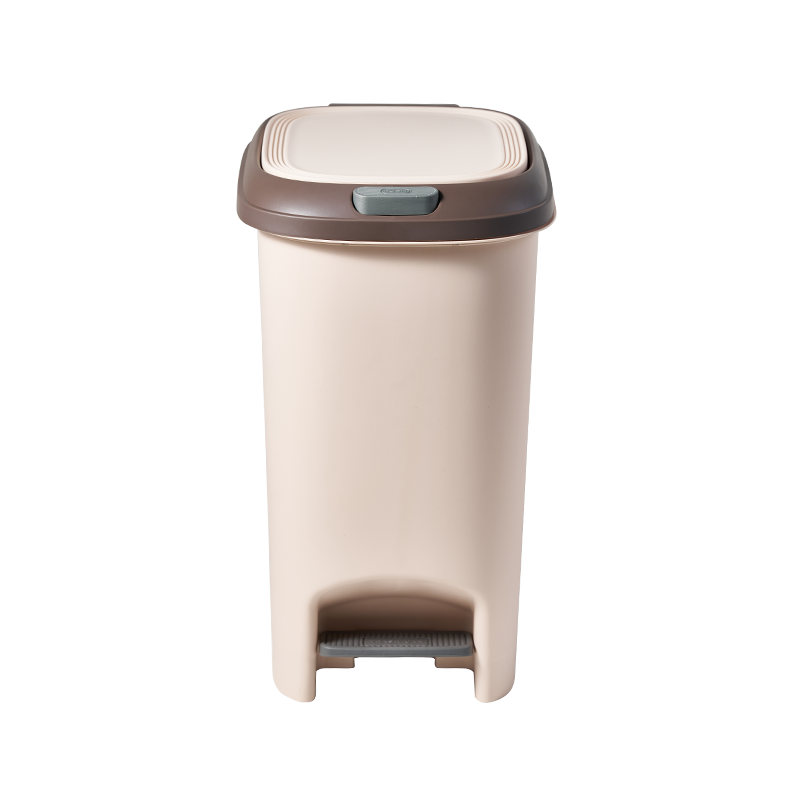
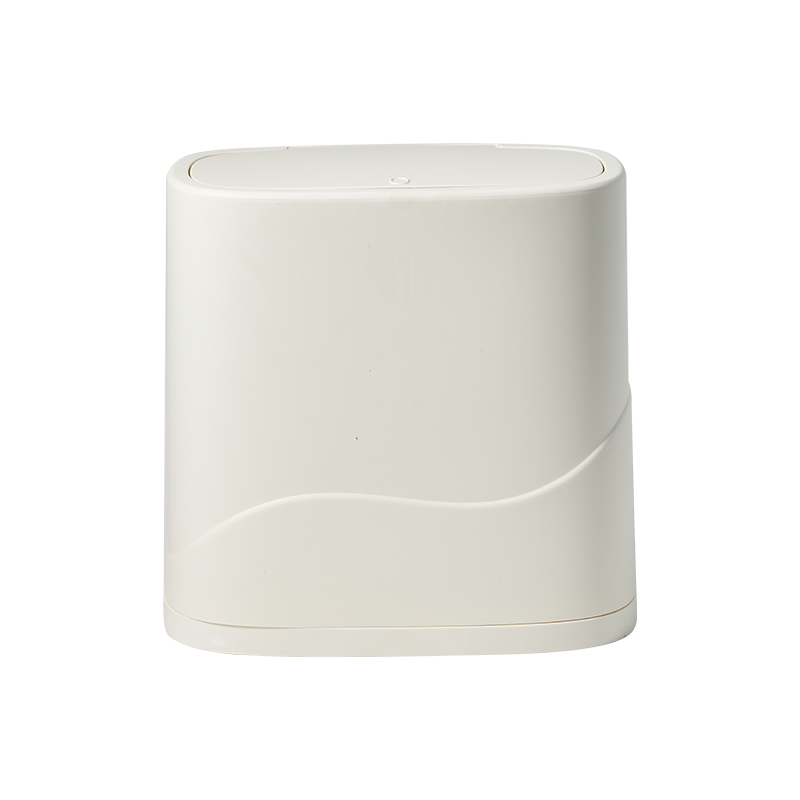
A Plastic Pedal Waste Bin generally combines a body, lid, pedal, internal connection, and waste-holding area. Plastic construction can also make the outer surface relatively easy to wipe, which matters in places where splashes or residue may occur.
Practical design depends on how each part works with the others. A pedal that moves smoothly is useful only when the lid responds properly, while a well-shaped lid still needs stable support during opening and closing.
Why Is Hands Free Waste Disposal Useful in the Kitchen
Kitchen waste can be produced while hands are occupied with preparation, cleaning, or handling ingredients. Reaching for a lid with a wet or dirty hand can add another contact point to the disposal process.
A foot pedal allows the user to press the opening mechanism without stopping the task. Vegetable scraps can be discarded while cutting food, packaging can be dropped in after opening a product, and used tissues can be disposed of without touching the lid.
Placement also affects convenience. A waste container positioned near a preparation area reduces the need to carry waste across the room. Some household waste-bin designs are intended to sit near a sink or work area for easier disposal.
Kitchen use can involve moisture, food residue, and small pieces of waste, so easy access for wiping becomes relevant. A smooth outer surface and rounded areas around the body can make routine cleaning less troublesome.
Hands-free opening also keeps the lid closed between uses. A closed container can help keep waste separated from the surrounding area, although odor and cleanliness still depend on the type of waste, liner condition, cleaning habits, and how frequently the container is emptied.
How Does a Pedal Mechanism Open the Lid
A pedal system uses mechanical movement rather than electrical power. Pressing the foot pedal activates a linkage connected to the lid. Depending on the design, a rod, strap, or related moving part transfers the pedal movement toward the hinge area and lifts the lid.
Once pressure is released, the lid moves back toward its closed position. Some designs use controlled closing to reduce sudden movement, while simpler arrangements rely on the weight and movement of the lid itself.
A basic sequence looks like this:
- Foot Pressure → Linkage Movement → Lid Opens → Waste Goes In → Pedal Released → Lid Closes
Stable operation depends on several details. The pedal needs enough space for comfortable use, while the bin itself should remain steady when pressure is applied. A lightweight container may shift on a smooth floor when the base does not provide enough grip.
For a plastic body, the relationship between the pedal, hinges, and internal mechanism also matters during production. Parts need to fit together correctly so repeated movement does not cause unnecessary friction or misalignment.
How Can a Plastic Housing Support Everyday Cleaning
Kitchen and bathroom bins face different forms of dirt. Kitchen containers may encounter food residue and moisture, while bathroom bins can receive tissues, packaging, cotton products, and other lightweight waste.
A plastic exterior can be wiped with a damp cloth as part of ordinary household care. Rounded corners can make it easier to reach areas where dust or residue might otherwise collect. Some current plastic pedal-bin designs specifically use rounded corners and removable internal containers to simplify routine cleaning.
Internal access matters as much as the outside surface. A removable inner bucket allows the waste liner to be taken out without lifting the entire bin. Such a structure can also make it easier to inspect and clean the inside after a spill.
Useful cleaning design can include:
- Smooth outer surfaces
- Accessible lid areas
- Removable inner containers
- Simple liner placement
- Limited narrow gaps
- Stable base surfaces
Material alone does not determine cleanliness. A plastic body can still collect residue around hinges, seams, or the pedal area, so those sections need occasional attention.
Why Does Lid Design Matter for Kitchen and Bathroom Waste
A lid separates waste from the surrounding room during periods when the container is not being used. For kitchen waste, keeping the opening closed can reduce direct exposure of discarded material. In a bathroom, a closed lid can also keep waste visually contained.
Lid movement needs to match the space around the bin. A lid that swings backward may require clearance from a wall or cabinet, while a taller container may need enough room above it to open fully.
Controlled closing can also change everyday use. A sudden lid movement may create noise or cause unnecessary vibration, whereas a slower closing action can make operation feel more controlled. Some pedal-bin designs use a soft-closing mechanism for quieter movement.
| Design Area | Practical Consideration |
|---|---|
| Opening angle | Allows waste to enter without obstruction |
| Hinge position | Influences clearance around the bin |
| Closing movement | Affects noise and daily handling |
| Lid coverage | Keeps waste contained between uses |
| Surface shape | Influences cleaning access |
Lid design becomes especially relevant when a container is placed under a counter, beside a cabinet, or near bathroom fixtures.
Where Is a Pedal Waste Bin Useful in the Bathroom
Bathroom waste is often light in weight yet frequent in handling. Tissues, cotton products, empty packages, and small disposable items can accumulate near a sink or toilet area.
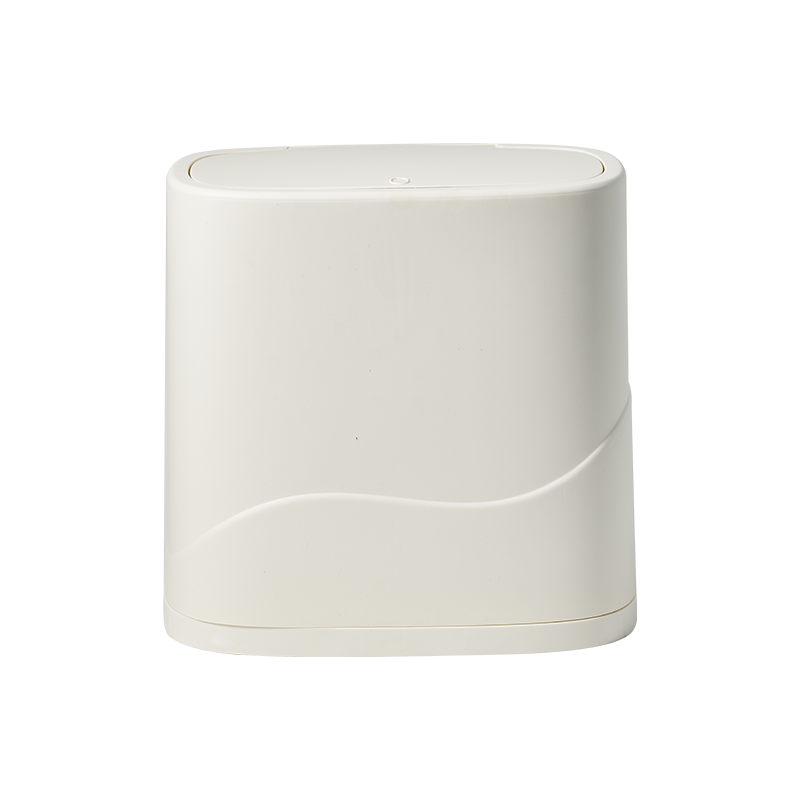
Hands-free operation suits such spaces because users can open the lid with a foot while keeping their hands available. A smaller container may fit beside a toilet or vanity, while a larger format may be appropriate where more waste is generated.
Moisture also needs consideration. Bathroom floors can become wet, so a stable base is useful. Some pedal-bin designs use non-slip feet to help keep the container in place on smooth flooring.
Positioning should leave enough room for pedal movement and lid opening. Placing the container too close to a wall may interfere with the lid, while placing it too far from the main activity area can make disposal less convenient.
A practical bathroom setup therefore considers size, access, floor condition, lid clearance, and cleaning together rather than focusing only on appearance.
How Does Capacity Affect Kitchen Waste Management
Waste volume can change from one household area to another, so internal capacity needs to match actual use. A kitchen may collect food packaging, vegetable scraps, paper, and other daily waste, while a bathroom usually handles lighter items.
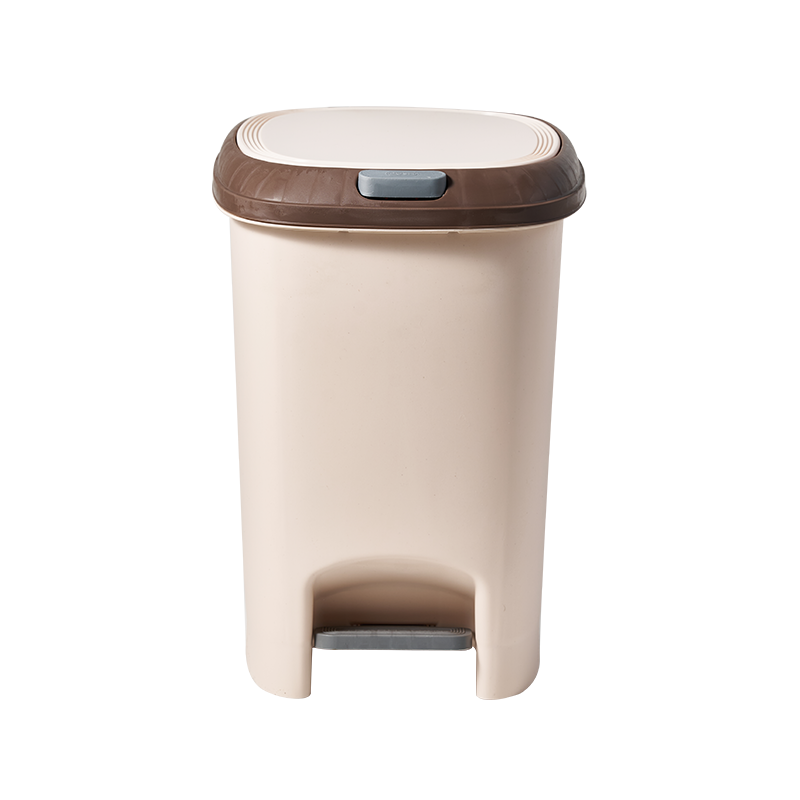
A Large Capacity Trash Bin can reduce how often a liner needs to be changed when household waste builds up quickly. Capacity alone does not decide whether a container works well, since a large body can also take up valuable floor space or become difficult to move when filled.
Internal shape has a direct connection with usable room. A tall container can make use of vertical space, while a wider body may be easier to place beneath a counter or beside a cabinet. Bag dimensions also need to suit the opening so that the liner remains secure during daily use.
Kitchen placement deserves attention because working areas can become crowded. A container positioned near a preparation surface should remain accessible without blocking cabinet doors, drawers, or walking paths.
A practical capacity choice can consider:
- Daily amount of household waste
- Available floor area
- Frequency of liner replacement
- Size of waste bags
- Ease of removing a filled liner
- Distance between the bin and the main work area
Capacity works best when it supports the way a household actually handles waste rather than simply adding more internal volume.
What Role Does the Inner Container Play
An inner container sits inside the outer housing and provides a defined space for the waste liner. Such a structure can make bag replacement easier because the liner can be removed without carrying the entire outer body.
Some household pedal bins use a removable inner bucket with a rim that helps hold the liner in place. A similar arrangement can also keep the bag edge from hanging loosely outside the container. (ikea.com)
Inner containers also make cleaning more manageable. A spill can sometimes remain inside the bucket rather than reaching the outer housing, depending on the design.
A useful internal structure should provide enough room for the liner while leaving the lid and pedal mechanism free to operate.
Small details can influence daily handling:
- A smooth inner wall can simplify wiping
- A stable rim can help hold a waste liner
- A removable bucket can make emptying easier
- Adequate clearance can prevent interference with the lid
- A simple shape can reduce areas where residue collects
Internal construction also affects available capacity. Thick walls, raised supports, or unnecessary internal structures can occupy space that could otherwise hold waste.
How Do Shape and Placement Affect Daily Use
Shape affects both storage capacity and where a container can be placed. Slim rectangular designs may fit beside cabinets or along narrow walls, while rounded forms can work in open corners where there is less concern about fitting against straight surfaces.
A kitchen bin may need to sit close to a worktop, whereas a bathroom model may need to fit beside a toilet or beneath a vanity. Available clearance becomes important because a lid needs room to move.
Pedal location also influences access. A pedal placed too close to a wall may be difficult to press comfortably. A very narrow base can create another issue when the user applies foot pressure from an angle.
A stable base helps keep the container in position during opening. Some designs use wider lower sections or non-slip feet to reduce movement on smooth surfaces. (ikea.com)
Before placing a bin, it can be useful to check:
- Whether the lid can open without hitting nearby objects
- Whether the pedal can be reached from a natural standing position
- Whether cabinet or bathroom doors can still open
- Whether the floor provides enough stability
- Whether a filled liner can be removed without obstruction
Small placement problems can become annoying when repeated every day, so spatial planning matters alongside container design.
What Should Be Considered When Choosing a Plastic Pedal Waste Bin
A household waste container needs to fit both the room and the way waste is handled. Material, capacity, pedal position, lid movement, and liner arrangement all contribute to practical use.
For kitchen applications, attention may go toward capacity, cleaning, and access near food preparation areas. Bathroom use can place more attention on compact placement, moisture, and easy disposal of lightweight waste.
A Plastic Pedal Waste Bin can be evaluated through several basic questions:
- Does the pedal respond smoothly?
- Does the base remain stable during operation?
- Can the inner container or liner be removed easily?
- Is the outer surface easy to wipe?
- Does the lid have enough clearance?
- Can the selected capacity fit the available floor space?
- Does the liner stay in place during regular use?
Pedal construction also deserves attention. Repeated foot pressure places movement through the pedal and connecting parts, so alignment between moving components can affect daily operation.
Lid weight matters as well. A very heavy lid may require more pedal pressure, while a lighter lid can react differently during closing. Housing shape, hinge position, and internal mechanism need to work together for controlled movement.
How Can Kitchen and Bathroom Use Differ
Both areas can benefit from hands-free disposal, although waste types and surrounding conditions are not identical.
Kitchen waste can include damp food residue, packaging, paper, and vegetable scraps. Such materials may create stronger odors or leave residue inside the container. Regular liner replacement and interior cleaning can therefore become important parts of use.
Bathroom waste usually contains lighter materials, with moisture around sinks and floors creating another consideration. A stable base and accessible surface can make routine cleaning easier.
| Use Area | Common Considerations | Useful Design Features |
|---|---|---|
| Kitchen | Food residue, packaging, daily waste | Larger interior, easy cleaning, stable pedal |
| Bathroom | Tissues, small packages, moisture | Compact form, stable base, hands-free opening |
| Shared utility area | Mixed household waste | Flexible capacity, removable liner system |
A Large Capacity Trash Bin may suit a kitchen with frequent waste generation, while a compact container may be easier to position in a bathroom with limited floor area.
Location should guide the selection rather than assuming one format suits every room.
How Is Pedal Bin Design Supporting Everyday Waste Management
Hands-free disposal is a small change in household behavior, yet several design elements need to work together for it to remain practical. A pedal provides access without hand contact, while a stable body keeps the container in place during use. A suitable lid helps contain waste between disposal actions.
Plastic construction can support routine cleaning through wipeable outer surfaces, while an inner bucket can simplify liner removal. Capacity determines how often the container needs attention, and shape influences where it can be positioned.
For kitchen use, internal volume and easy cleaning may receive more attention. Bathroom placement may call for a compact shape, stable base, and convenient pedal access.
A Plastic Pedal Waste Bin therefore involves more than a lid controlled by a foot. Useful design comes from the relationship between the body, pedal, hinge, inner container, opening, and available floor space.
Hands remain away from the lid during ordinary disposal, while waste stays inside a defined container. Regular cleaning, suitable liner use, and appropriate placement still remain necessary for household hygiene.
Daily waste management often involves many small actions. A container that supports those actions through accessible opening, sensible capacity, manageable cleaning, and stable placement can fit more naturally into kitchen and bathroom routines.
 Previous