English
 Español



Bathroom corners really do come with spatial constraints that other spots in the room simply don't have. Walls meet at an angle there, creating a narrow pocket of space that demands careful fitting from whatever gets placed inside it. A container built for a straight wall often won't sit right once you try to wedge it into a corner.
What sets corners apart really comes down to geometry. Two wall surfaces meet at ninety degrees, the floor stays flat, but those angled walls close the space in around whatever sits there. A container that works perfectly against a flat wall can end up completely mismatched with an angled space like this.
Common problems tend to crop up when a container lands in a corner — gaps opening up between the container and the walls, reduced capacity thanks to the shape constraints, real difficulty just getting the opening accessible. Some containers refuse to sit flush against both walls, leaving dead space stacked up behind them. Others turn awkward to open because the lid keeps catching on the wall.
Corners really do call for different design thinking than flat wall placements, simply because the underlying space geometry is different. A design that shines in a corner might fall flat against an open wall, and that's exactly why the design needs to accommodate those angled surfaces from the start rather than treating corners as an afterthought.
What Shape Characteristics Support Corner Positioning?
Some shapes just handle corners better than others. The container's footprint really determines how well it settles into that angled space, and the geometric shape shapes how efficiently it actually uses the room available.
Footprint shape plays into corner fit in genuinely practical ways. A rectangular container tends to struggle in a corner, while a quarter‑round or triangular shape fits noticeably better because it follows the wall angle naturally. Whatever shape actually matches the corner ends up using the space far more efficiently.
Container shape and usable capacity trade off against each other in practice. A shape that nails the corner fit can sometimes hold less than a bulkier rectangular container would. Balancing that fit against how much waste the container can actually hold really comes down to the user's own priorities.
Some shapes just suit corners better, plain and simple. Straight backs that match the wall angle settle in well. Rounded backs often can't sit flush against both walls at once. Whatever shape lines up with the corner's actual geometry ends up fitting the best.
How Does the Container Profile Align with Wall Surfaces?
The container's profile refers to the shape of its back surface, and that back really needs to align with the walls surrounding it. A profile that matches the wall angle lets the container sit close against both surfaces at once.
Matching the container's back to the wall angle matters quite a bit here. Most bathroom walls meet at roughly ninety degrees, so the container's back should mirror that angle closely. A back that's angled incorrectly ends up leaving gaps between the container and the wall — gaps that just collect dust and waste space.
Wall angles vary more than people expect, too. Not every corner comes out perfectly square in real construction. Some walls meet at slightly off angles, and a container design built to tolerate those minor variations ends up fitting far more consistently across different bathrooms.
Container profile really does shape space utilization directly. A profile that matches the walls makes efficient use of the available space. One that doesn't match wastes space sitting behind the container instead. Profile alignment ends up affecting both how the setup looks and how well it actually functions.
What Role Does the Base Design Play in Corner Stability?
The container's base determines how it actually sits on the floor. A base that matches the floor surface supports the container properly, while one that doesn't can leave it wobbling around.
Base shape and floor contact tie together in a genuinely practical way. A flat base sits securely against the floor, while a base that isn't flat may not make full contact at all — and full contact really matters for keeping things stable.
Base dimensions play into corner stability too. Too narrow, and the container risks tipping. Too wide, and it simply won't fit the corner space. Getting those dimensions right really comes down to balancing stability against fit.
Non‑slip features matter quite a bit for corner placement as well. A container that slides around becomes genuinely inconvenient to use, while one that stays put is just easier to live with day to day. Base design should really prevent sliding during normal use rather than leaving that to chance.
| Base Feature | Contribution to Corner Fit |
|---|---|
| Flat base surface | Ensures stable contact with the floor |
| Matching profile | Follows the angle of the corner |
| Non‑slip material | Prevents sliding during use |
| Weight distribution | Keeps the container from tipping |
| Ground clearance | Allows for easy cleaning underneath |
How Does Lid Design Affect Functionality in a Corner?
Lid design interacts with corner placement in several distinct ways. The lid needs to open without smacking into the walls, and the type of lid used really shapes how accessible the container ends up being in that tight corner space.
Lid operation and corner placement really do need to work together. A lid that swings outward risks hitting the walls directly. One that lifts straight up might catch on the wall above instead. Whatever movement the lid makes has to actually fit within the corner space available.
Opening direction shapes accessibility in a real way too. A lid that opens toward the user tends to be easier to access day to day. One that opens sideways can end up blocked by the wall entirely. The opening direction really needs to suit wherever the corner actually sits.
Lid type and available space connect pretty directly here. Some lid designs demand more clearance than others, and the space a corner actually offers can limit which lid types even work in the first place. Lid design really does need to account for those corner constraints from the outset rather than getting bolted on as an afterthought.
Does Opening Orientation Make a Difference in Corner Use?
Opening orientation really shapes how easily someone can actually reach the container. A container sitting in a corner presents its opening at a fixed angle, and that orientation ends up determining which direction the user has to approach from.
Front‑opening and top‑opening designs work pretty differently here. A top‑opening container lets you reach in from above, while a front‑opening one demands access from straight ahead. In a corner, the walls really cut down on which approach direction is even available, which makes this choice matter more than it would against an open wall.
Opening orientation and corner positioning connect pretty clearly in practice. An opening facing out toward the room stays easy to reach. One facing toward the wall turns genuinely awkward to use. The orientation really needs to suit the corner it's actually sitting in.
Orientation deserves real thought in corner‑specific designs precisely because the walls limit access so much. A container that handles a flat wall setup just fine might struggle badly once wedged into a corner. Getting the orientation to match the available approach direction isn't optional here — it's the whole point.
How Are Interior Space and Storage Capacity Balanced with Corner Fit?
Corner‑fit design tends to demand real compromises on capacity. A Corner Bathroom Trash Can that slots perfectly into a corner often holds less than a bulkier standalone container would, and figuring out which balance actually works comes down to what the user genuinely needs.
Exterior dimensions and interior capacity trade off against each other in a pretty practical way. A container shaped for a corner tends to differ from one shaped for a flat wall, and that shape difference really does affect how much waste it can actually hold.
Corner‑fit design cuts into usable volume in some specific ways. The angled back trims down the container's depth along the sides, and that reduced depth translates straight into reduced usable volume. Corner geometry really does put a ceiling on capacity here.
Users weigh both fit and capacity together when picking a container. One that fits poorly just becomes annoying to deal with day after day. One that holds too little needs emptying constantly. Balancing fit against capacity is a genuinely real consideration, not a minor afterthought.
A few trade‑offs tend to come up between corner fit and waste capacity:
- Better corner fit can reduce the amount of waste the container holds
- A larger container may not fit the corner as well
- The user has to balance fit and capacity based on their own needs
- Some designs manage to maximize capacity within the corner shape
What Materials and Finishes Support Corner Placement?
Material choice really shapes how a container holds up in a bathroom setting. Bathrooms bring moisture, temperature swings, cleaning chemicals — all of it, constantly — so whatever material gets used has to actually withstand those conditions over time.
Plastics, metals, and composites all tend to work reasonably well for bathroom corners. Plastics resist moisture and corrosion pretty naturally. Metals can get finished to fend off rust. Composites blend a bit of both, offering a combination of properties that neither pure material gets alone.
Finish plays into both appearance and durability here too. A smooth finish stays easy to clean. A textured one tends to hide scratches a bit better. Whatever finish gets chosen should really match the bathroom's overall style rather than clashing with it.
Moisture resistance matters quite a bit in bathroom settings specifically. A container that soaks up moisture risks warping or degrading over time, while one that resists moisture just lasts longer overall. Material selection really does matter for long‑term use, not just how the container looks on day one.
How Does the Container Integrate with Bathroom Aesthetics?
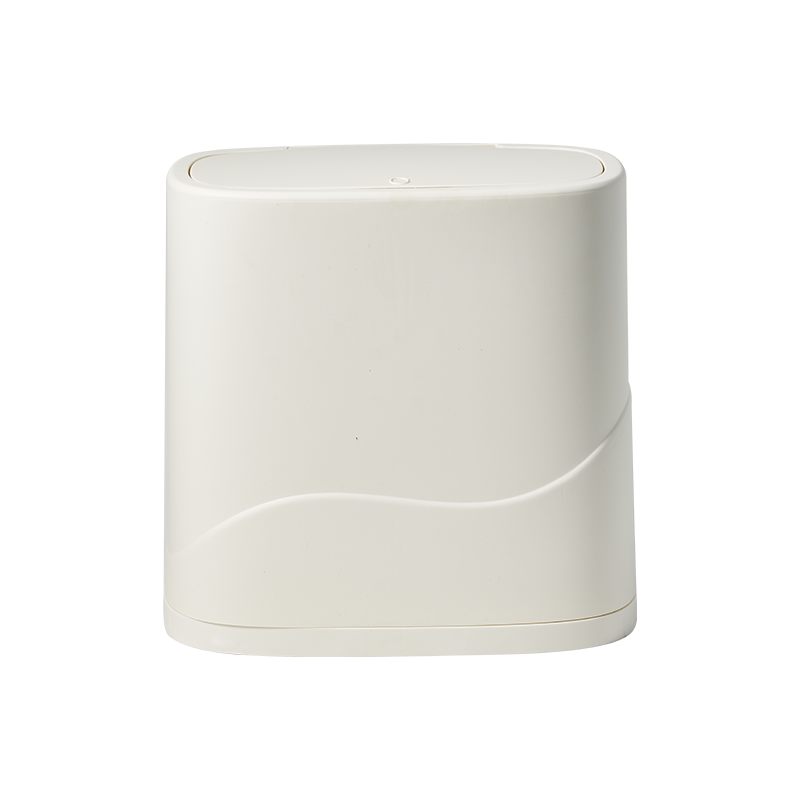
A container sitting in a bathroom should genuinely look like it belongs there. The design needs to complement whatever fixtures and finishes already fill the space, and a well‑designed Corner Bathroom Trash Can really should blend into the bathroom visually rather than sticking out.
Container design and bathroom styling connect in a pretty practical way. A modern design suits a modern bathroom well. A classic design suits a traditional one better. Matching the container to the bathroom's existing style just makes everything feel more cohesive.
Corner‑specific designs really do complement existing decor by putting that corner space to good use. A container that fits the corner well looks intentional, like it was actually planned for. One that doesn't fit ends up looking like an afterthought bolted on later. Good design should make the container feel like part of the bathroom rather than something added on top of it.
Appearance matters right alongside function here too. A container that works well but looks rough might not cut it. One that looks great but works poorly might not either. The strongest designs really do manage to combine both function and appearance rather than sacrificing one for the other.
What User Needs Should Be Considered in Corner Container Design?
Bathroom users bring specific needs that really do shape container design. The container needs to stay easy to access and use, and it shouldn't get in the way of whatever else happens in that bathroom day to day.
Ease of use and cleanliness sit at the center of practical user needs here. A container that's hard to open just won't get used consistently. One that's hard to clean risks turning unsanitary over time. Good design really needs to address both of these head‑on.
User behavior shapes placement and use quite a bit too. Some people prefer tucking the container into a corner, out of the way. Others want it close at hand instead. Design really should accommodate that range of preference rather than assuming one approach fits everyone.
Accessibility and convenience matter a lot here as well. A Corner Bathroom Trash Can should stay easy to reach and use, with the opening sitting at a comfortable height, and it shouldn't block access to any other bathroom fixture nearby.
Understanding what users actually need really does guide effective design in the end. A container that meets those needs gets used consistently, day after day. One that misses the mark risks getting ignored or swapped out entirely. Good design really should grow out of what users genuinely need, not just what looks good on a shelf.
 Previous