English
 Español



Waste collection plays a fairly big role in the daily running of commercial spaces. Offices, restaurants, shopping areas, hotels, schools, and public buildings all produce different kinds of waste as part of normal operation. Compared with a home setting, commercial locations generally need containers built for frequent use, larger volumes, and a maintenance routine that stays reasonably organized.
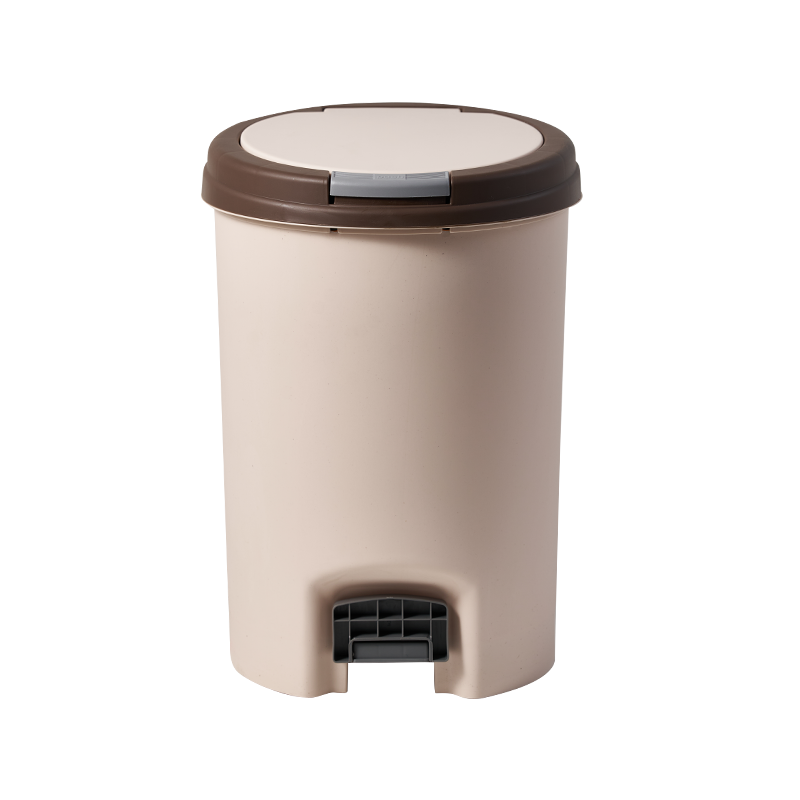
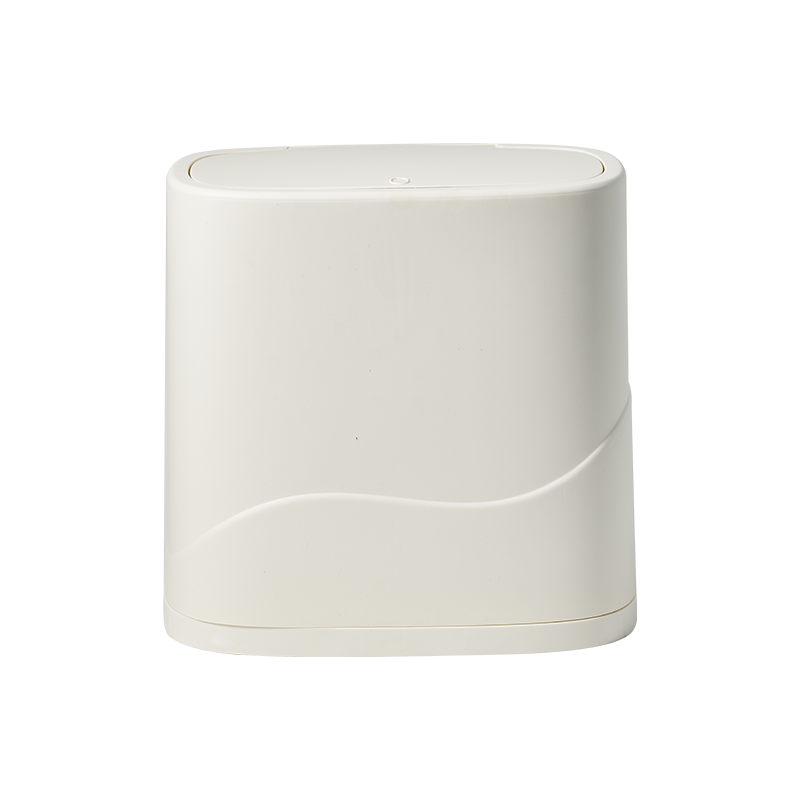
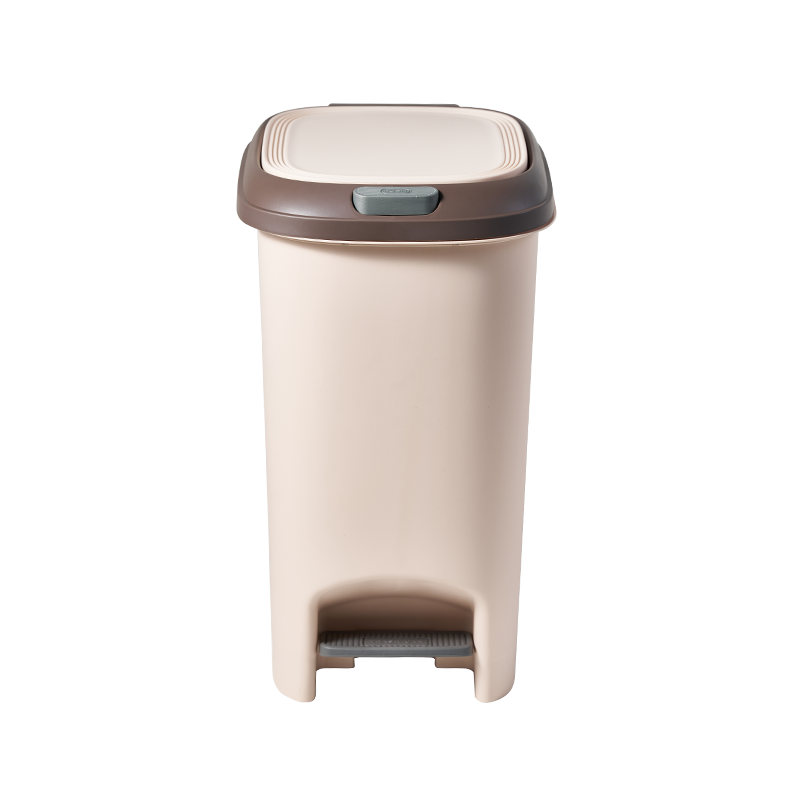
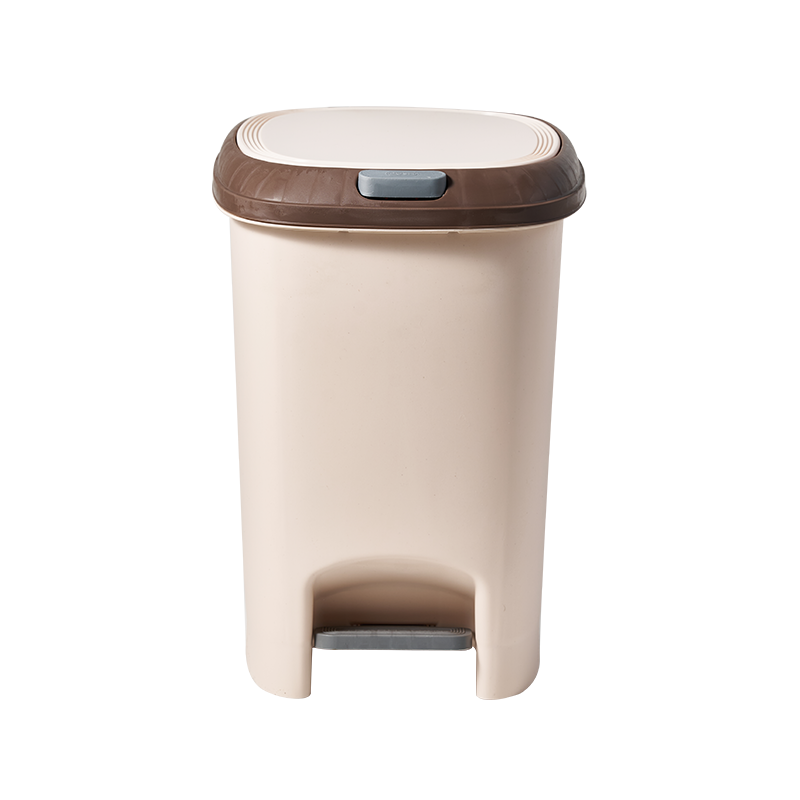
A Large Capacity Trash Bin fits well in situations where waste has to be managed within a fixed area and handled efficiently by staff. The right container gives enough storage room between collection periods, which cuts down on how often someone has to empty it.
Commercial waste management is rarely just about placing a bin in the corner. Location, user habits, waste type, cleaning schedules, and how waste gets transported afterward — all of that feeds into container selection. A restaurant might care most about easy cleaning and handling, while an office building leans toward appearance and placement. Outdoor facilities often need sturdier builds that can take changing weather in stride.
Different commercial settings bring their own set of needs:
- Office buildings — waste mostly comes from daily activity: paper, packaging, general workplace trash. Containers here need to fit indoor layouts and regular cleaning schedules.
- Retail locations — shops and shopping centers deal heavily with packaging waste. Bins need to support easy collection without clashing with the storefront look.
- Food service areas — restaurants and cafeterias need designs built for frequent cleaning, since disposal demands shift a lot over the course of a day.
- Public facilities — schools, transit hubs, community spaces need containers that can handle a mix of users and placement conditions.
A well-matched collection system makes daily operations run smoother. When the container suits the space, cleaning staff can plan their routes more efficiently, and people find it easier to dispose of things properly.
How Does Capacity Design Affect Commercial Waste Management?
Capacity is one of the bigger factors shaping how a commercial space organizes its waste collection. Too small, and staff end up emptying it constantly. Too large for the space, and it becomes awkward to place or move around.
Manufacturers usually weigh a handful of factors here — expected waste type, how often the bin gets used, how much space is available, and how easily it needs to move. All of that shapes the final design.
Bigger isn't automatically better, though. Good design balances storage against convenience — a large bin still has to be manageable to move, clean, and maintain given wherever it ends up.
A few things shape capacity planning in practice:
| Consideration | Influence on Container Design |
|---|---|
| Waste Volume | Points to suitable storage size for daily needs |
| Location Area | Affects bin size and how it's placed |
| Collection Schedule | Shapes how often it needs emptying |
| User Access | Affects opening style and placement |
Facilities often look at their own waste patterns before picking a container. A busy transit station, for example, calls for something quite different from a small office — the volume and habits just aren't comparable.
A Large Capacity Trash Bin works best when its size actually fits the space it's going into. Get that right, and you cut down on unnecessary movement, fewer cleaning interruptions, and a tidier space overall.
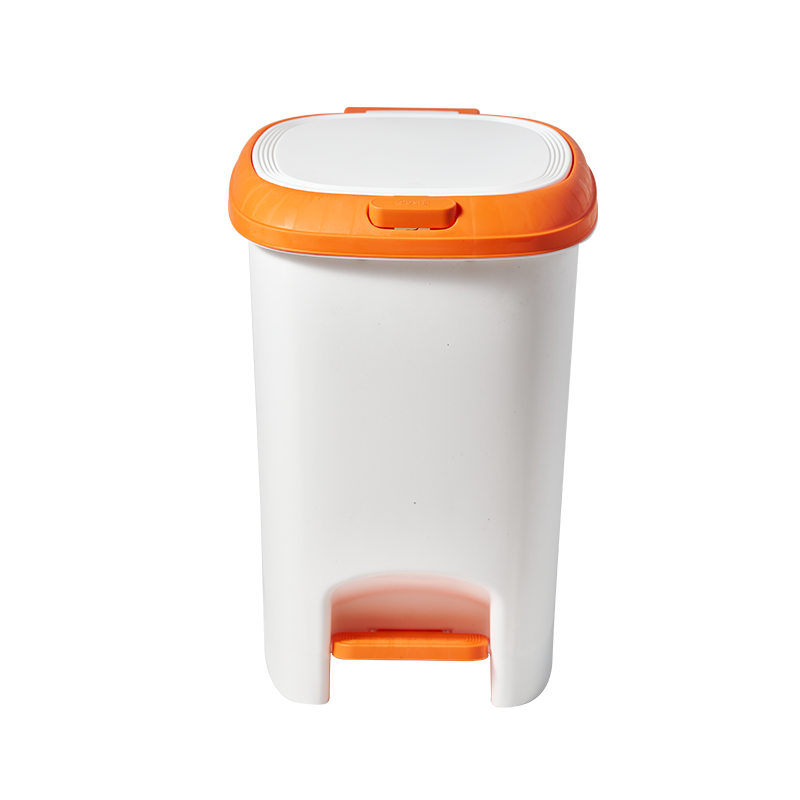
What Materials Are Used in Commercial Trash Bin Production?
Material choice matters quite a bit in commercial bin manufacturing, since different materials bring different trade-offs around durability, cleaning, appearance, and how well they hold up in different conditions.
Plastic shows up often, mainly because it's light and easy to handle. It can be molded into a range of shapes and generally works fine indoors or out. Smooth surfaces also make routine cleaning simpler.
Metal is another option for certain settings — it has a different structural feel and gets chosen where stronger physical protection matters more, like heavier-use spots or outdoor placement.
A few practical factors tend to drive the choice:
- Cleaning needs — smoother surfaces make maintenance easier
- Environmental exposure — outdoor spots may call for weather-resistant materials
- Handling — weight and build affect how easily it moves around day to day
- Appearance — commercial spaces often care how the bin fits the surroundings
Material and structure tend to go together. A restaurant bin might need different features than one sitting in an office lobby, so manufacturers usually weigh function and environment side by side rather than picking material in isolation.
How Do Large Capacity Trash Bins Improve Workplace Organization?
Waste management shapes the overall feel of a commercial space more than people often realize. When disposal areas are thought through and containers fit daily needs, cleaning becomes easier to schedule, and people naturally fall into good disposal habits.
Good placement keeps collection areas separate from working zones. In an office, that means less clutter building up around desks or shared spaces. In commercial settings generally, clearly organized disposal points support a more structured environment overall.
Larger bins also cut down on unnecessary back-and-forth during cleaning — staff can plan collection around actual usage patterns instead of dealing with overflow multiple times a day.
A few design touches support better organization:
- Clear placement that helps people spot where to dispose of waste
- Openings sized for convenient use
- Stable builds that don't shift around during use
- Surfaces that clean up easily
A bin's role connects to the bigger picture of how a facility runs. Get the design right, and it supports cleaning schedules, improves how space gets used, and makes things a bit more orderly for everyone passing through — staff, customers, visitors alike.
What Design Features Matter for Commercial Trash Bins?
Commercial bins need to hold up to daily handling, not just look the part. Beyond capacity, things like mobility, access, cleaning, and structural stability shape how practical a bin actually is.
Wheels show up often on larger bins, since they make moving things around during collection and cleaning a lot simpler. Mobile designs let staff shift bins around as needs change through the day.
Lids matter too. Different settings call for different opening styles depending on waste type, odor concerns, and how convenient it needs to be for users. A well-thought-out lid keeps the surrounding area cleaner.
Handles and structural supports round things out — a bin needs to stay easy to move while holding steady during regular use.
A few features that tend to come up:
- Wheels or mobility systems for easier transport
- Secure lids for more controlled disposal
- Smooth interiors that clean up without much effort
- Reinforced spots that handle regular wear
Commercial spaces generally do better with bins that slot naturally into existing routines. Good design comes down to thinking about how people actually interact with the container throughout the day — not just how it looks sitting in the corner.
How Are Large Capacity Trash Bins Applied in Different Commercial Areas?
Walk into an office, a restaurant, a retail store, or a public facility, and you'll notice the waste containers look and function pretty differently from one place to the next. Same basic idea — hold trash — but the details around structure and daily use shift a lot depending on where you are.
Offices tend to care most about keeping shared spaces looking presentable. Employee waste is mostly paper, packaging, the usual daily stuff. Bins in corridors, kitchens, or service areas need to blend into the space without getting in the way, while still being easy enough for cleaning staff to service on their rounds.
Retail stores deal with a different mix — packaging from products, plus whatever customers toss out. Here it's less about blending in and more about placement: bins need to sit somewhere people can actually reach without messing up the store layout or blocking foot traffic.
Restaurants and food service spots run into a tighter connection between waste and cleaning schedules. Food waste doesn't wait around, so containers here usually need surfaces that wipe down easily and a build that can take frequent, sometimes messy, handling.
Industrial settings often go bigger, since operations there tend to produce more mixed waste over a day. Weather exposure, how the waste gets moved out, and what materials are involved all shape what kind of bin actually makes sense.
| Application Area | Main Waste Sources | Design Considerations |
|---|---|---|
| Office | Paper and daily workplace waste | Space arrangement and cleaning access |
| Retail | Packaging and customer waste | Placement and user convenience |
| Restaurant | Food-related waste | Cleaning and handling requirements |
| Industrial Area | Mixed operational waste | Mobility and structural stability |
At the end of the day, a Large Capacity Trash Bin works best when it's picked with the actual environment in mind, not just off a spec sheet. Most businesses end up thinking through waste volume, where it'll sit, and how maintenance gets handled before settling on something.
What Factors Should Be Considered When Choosing a Large Capacity Trash Bin?
Picking a bin isn't really about finding the biggest one available — it comes down to how it'll actually get used day to day. A container sitting in a busy commercial space needs to hold up to constant disposal, getting moved around, and regular cleaning.
Capacity obviously matters, but "how much" depends entirely on the setting. A restaurant tossing out food waste all shift long has very different needs than an office generating a modest amount of paper and packaging.
Space plays into it just as much. Indoor spots usually need something that fits a defined layout, while outdoor locations might need a sturdier build that can shrug off weather and general wear.
Mobility is worth thinking about too — wheels, handles, a build that's balanced enough to push or pull without a fight. That matters a lot once staff start moving bins during collection or cleanup.
And maintenance shouldn't be an afterthought. Smooth surfaces, openings that make sense, easy access inside — all of that adds up to less hassle when it's time to actually clean the thing.
A few things worth keeping in mind when narrowing down options:
- Waste type and how people tend to dispose of it
- How much space is actually available
- How often cleaning needs to happen
- Whether the bin needs to move around or stay put
- Outdoor exposure or other environmental factors
Get the fit right, and it usually means fewer awkward adjustments down the line — waste collection just runs more smoothly.
How Is Commercial Trash Bin Design Developing for Future Needs?
Commercial waste management keeps shifting as businesses pay closer attention to how their spaces actually run day to day, plus a growing focus on sustainability. Bin design has been drifting toward easier upkeep, more flexibility, and a better fit across different kinds of spaces.
Materials remain a big piece of that puzzle. Indoor setups often lean toward appearance and how easy something is to wipe down, while outdoor applications tend to prioritize materials that can handle a wider range of conditions without falling apart.
Manufacturers keep tweaking structures as what businesses need changes. Better mobility, easier access for cleaning, more flexible placement — these show up more and more because a single rigid design just doesn't cut it across different environments anymore.
Waste sorting and recycling have started influencing bin design too. As facilities pay closer attention to how waste gets managed — not just collected but sorted and handled downstream — that's pushed new expectations onto how containers get built and used.
A well-thought-out container really connects to the bigger picture: how placement gets planned, how cleaning schedules work, how staff actually go about their routines. A Large Capacity Trash Bin isn't just there to hold trash — it ends up playing a real part in keeping the whole waste process organized.
As different industries keep changing, bin design will probably keep chasing the same goals: practical, easy to manage, adaptable to whatever environment it lands in. Understanding how these things actually get used in the real world tends to be what steers businesses toward something that actually fits their day-to-day needs.
 Previous