English
 Español



Bathrooms generate waste that needs frequent disposal. Used tissues, empty containers, and other items accumulate quickly. The waste bin in a bathroom sees daily use. The design of the bin affects how well it serves its purpose.
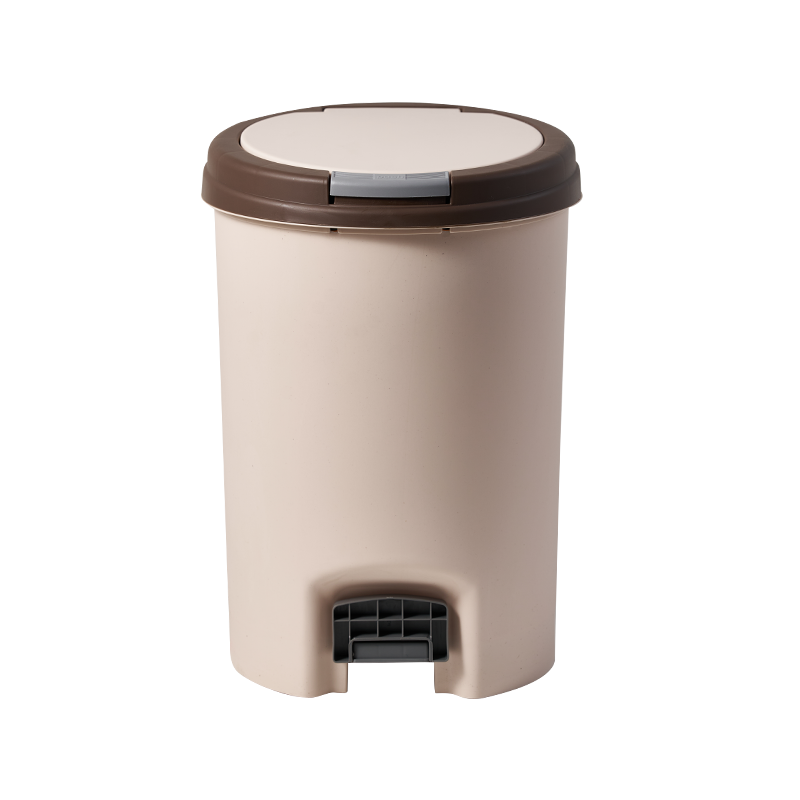
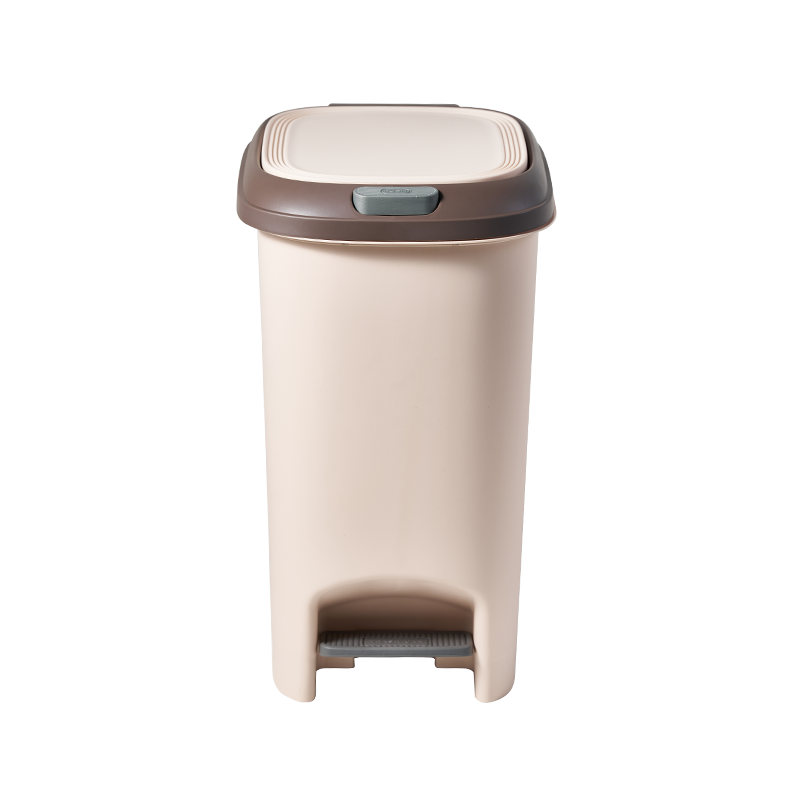
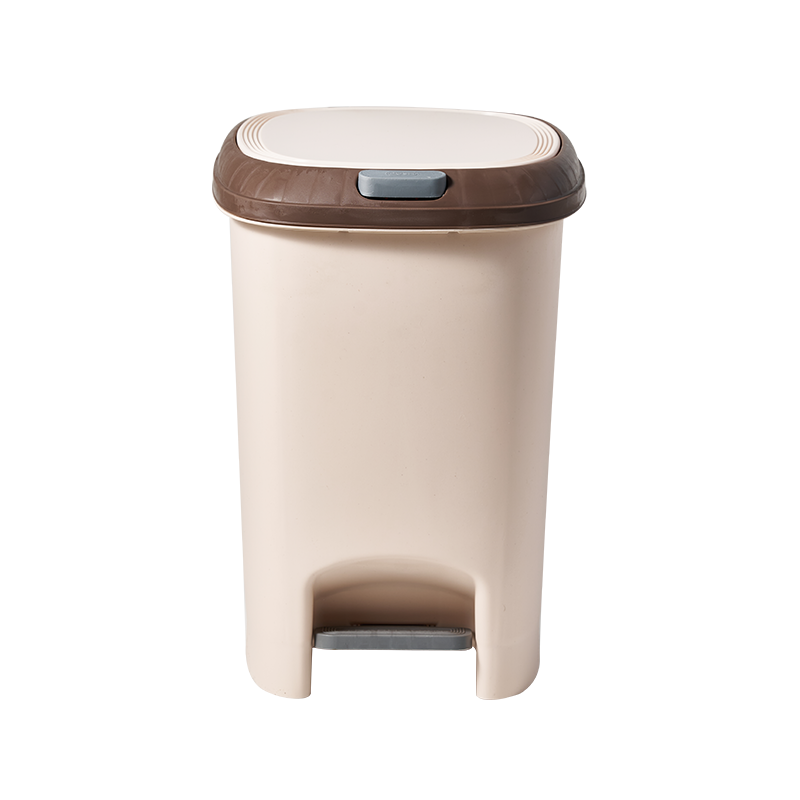
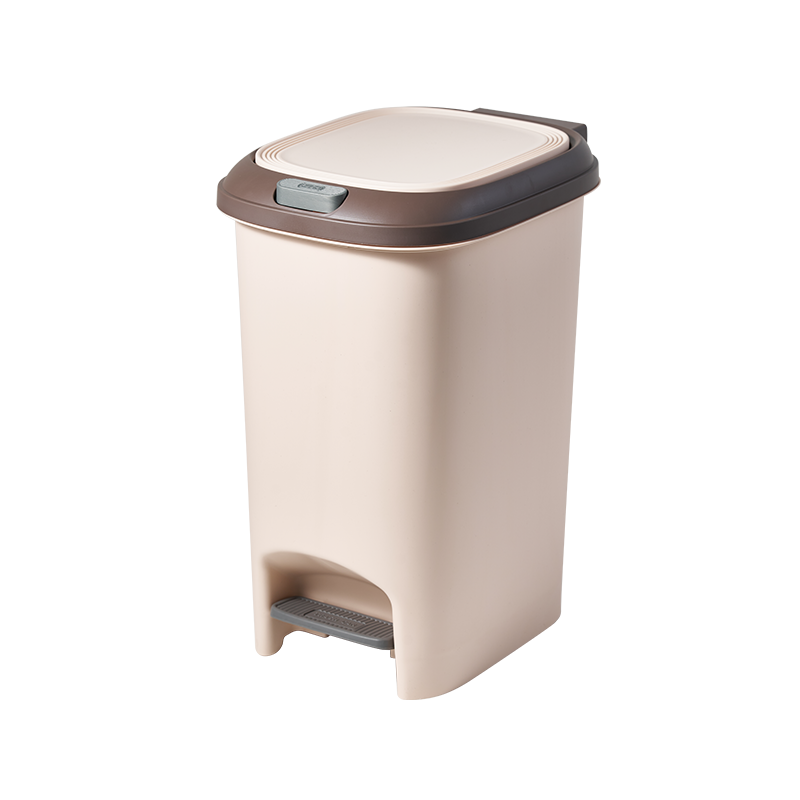
A Plastic Pedal Waste Bin addresses the hygiene concerns common in bathrooms. Hands touch many surfaces in a bathroom. The less contact with the bin, the better. The pedal operation allows waste disposal without hand contact. The user steps on the pedal, the lid opens, and waste goes in. The lid closes when the foot lifts.
The bathroom environment presents challenges for waste bins. Moisture and humidity are always present. The bin material must resist moisture. Plastic handles moisture better than metal. The material does not rust or corrode. A Plastic Pedal Waste Bin keeps its appearance through daily use.
The size of the bin matters for bathrooms. Bathroom space is often limited. The bin should fit in the available space. The bin should not obstruct movement. The bin should be accessible but not in the way. The size should match the bathroom layout.
What Design Features Make Plastic Pedal Waste Bin Effective for Bathroom Settings
The pedal mechanism provides the hands-free operation. The pedal sits at the bottom of the bin. The user presses the pedal with their foot. The pedal moves a linkage inside the bin. The linkage lifts the lid. The lid opens smoothly.
The plastic construction suits the bathroom environment. Plastic does not rust. Plastic does not corrode. The material handles moisture well. The surface resists stains. The bin stays clean with simple wiping.
The lid design contains odors. The lid stays closed when not in use. The closed lid traps odors inside. The bathroom stays fresh. The lid also hides the contents. The bin looks tidy.
The size and placement determine how well the bin works. A bin too small fills quickly. A bin too large takes too much space. The bin should match the bathroom size.
How Does Corner Bathroom Trash Can Configuration Enhance Space Utilization
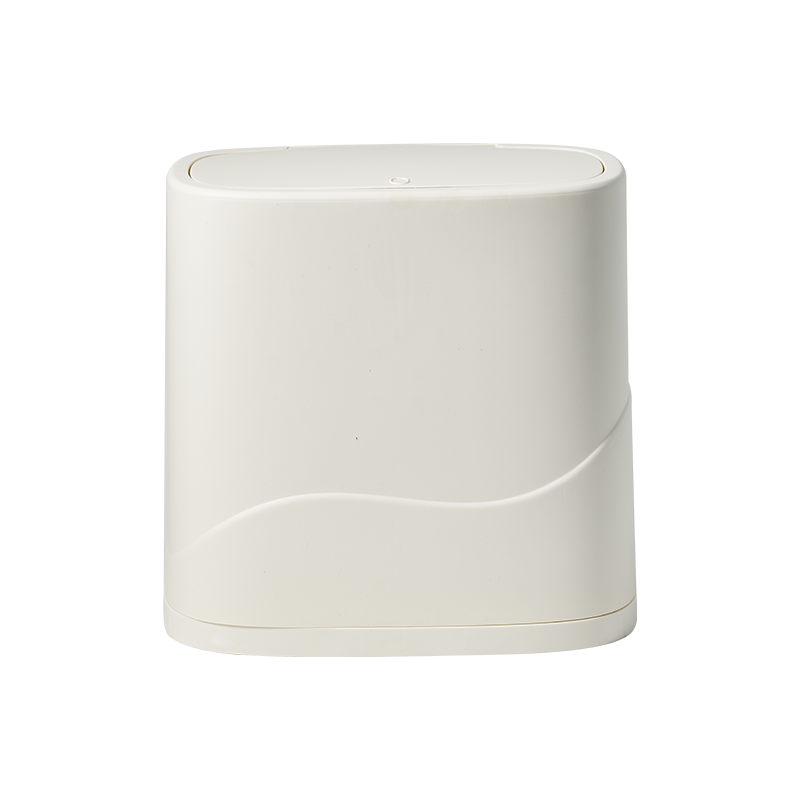
The Corner Bathroom Trash Can design addresses a common problem. Bathrooms have limited floor space. Every inch matters. The corner location uses space that might otherwise go unused.
The corner shape fits against walls. The bin sits in the corner. The bin does not block movement. The bin is accessible. The bin is out of the way.
The compatibility with bathroom layouts is important. Corner configurations suit many bathrooms. The bin fits where a round bin might not. The shape works with standard bathroom dimensions. A Corner Bathroom Trash Can uses the available space efficiently.
The impact on room functionality shows in daily use. The bin is easy to reach. The bin does not create obstacles. The space remains open. The bathroom stays functional.
What Makes Plastic Pedal Waste Bin Suitable for Kitchen Cleaning Routines
The kitchen generates waste throughout the day. Food preparation produces scraps. Meal cleanup produces packaging. The waste bin in the kitchen sees constant use. The bin needs to handle that frequency.
The pedal operation suits kitchen use. Hands are often full or messy during cooking. The pedal allows waste disposal without using hands. The user steps on the pedal, drops waste, and closes the lid. The hands stay clean.
The plastic construction handles kitchen conditions. The kitchen has moisture and food residues. Plastic resists stains and odors. The material cleans easily. A Plastic Pedal Waste Bin works well in kitchen settings.
The capacity of the bin matters for kitchens. Kitchens produce more waste than bathrooms. The bin should hold the daily waste. The bin should not need frequent emptying. The size should match the kitchen usage.
| Feature | Bathroom Use | Kitchen Use |
|---|---|---|
| Capacity needed | Smaller volume | Larger volume |
| Waste type | Paper, tissues | Food scraps, packaging |
| Frequency | Less frequent | Constant use |
| Hygiene concern | Germ transmission | Food safety |
| Cleaning | Occasional | Frequent |
How Do Material Properties of Plastic Contribute to Performance Across Areas
Plastic offers properties that suit waste bin applications. The material is lightweight. The material resists moisture. The material cleans easily. The material lasts for years.
Moisture resistance matters in both bathrooms and kitchens. Water and humidity are always present. Plastic does not absorb moisture. The bin stays dry. The material does not warp or swell.
Odor resistance matters for waste bins. Plastic does not absorb odors. The surface does not hold smells. The bin stays fresh. A simple cleaning removes any residue.
Lightweight construction makes handling easy. The bin can be moved for cleaning. The bin can be emptied without strain. The bin can be repositioned as needed. A Plastic Pedal Waste Bin is easy to manage.
What Factors Influence Selection of Plastic Pedal Waste Bin for Different Rooms
Choosing a waste bin involves several considerations. The room determines what features matter. A bin for a bathroom differs from a bin for a kitchen. The selection should match the room's needs.
Volume requirements vary by room. A bathroom produces less waste. A smaller bin works well. A kitchen produces more waste. A larger bin is needed. The capacity should suit the waste volume.
Lid security matters in some rooms. A secure lid keeps odors contained. A secure lid keeps pests out. The lid should close firmly. A Plastic Pedal Waste Bin with a good lid seal performs better.
Stability matters for daily use. The bin should not tip over. The bin should stay in place. The base should be wide enough. The bin should handle the weight of waste.
- Room size and available floor space
- Expected waste volume and disposal frequency
- User preferences for style and color
- Cleaning and maintenance requirements
- Budget constraints for purchase
How Are These Waste Bins Integrated into Daily Maintenance Practices
Regular maintenance keeps waste bins performing well. The maintenance is simple. A few minutes of care makes a difference. The bin stays clean and functional.
Installation involves placing the bin in the right location. The location should be accessible. The location should not block movement. The bin should be easy to reach. A Corner Bathroom Trash Can should be placed where it works best.
Positioning affects how well the bin works. The bin should be near where waste is generated. The bin should be convenient. The bin should not be hidden. Good positioning supports regular use.
Cleaning keeps the bin fresh and hygienic. Regular cleaning prevents odors. Regular cleaning prevents stains.
Waste management practices affect bin performance. The bin should not be overfilled. The bin should be emptied regularly. The bin should be lined with a bag. Good practices extend bin life.
How Do Waste Bin Choices Support Overall Residential Functionality
Waste bins are part of household operations. The right bins support daily routines. The wrong bins create problems. The selection affects how smoothly the household runs.
Efficient operations depend on appropriate bin placement. Bins should be where they are needed. Bins should be easy to use. Bins should not create obstacles. A Corner Bathroom Trash Can placed correctly supports bathroom routines.
Coordination with other sanitation elements matters. Bins work with cleaning supplies. Bins work with waste disposal systems. The bin should support the overall sanitation system. The selection should consider the whole picture.
The balance between practicality and durability is important. The bin should be practical for daily use. The bin should be durable for long life.
What Common Usage Issues Appear with Waste Bins
Even well-made bins can have issues. The issues come from use and wear. Recognizing issues early helps address them. The bin continues to perform well.
Pedal mechanism wear affects operation. The pedal may become stiff. The lid may not open fully. The linkage may need adjustment. A worn mechanism can be repaired or replaced.
Improper cleaning affects bin appearance. Harsh cleaners may damage plastic. Abrasive pads may scratch surfaces. The wrong cleaner may cause discoloration. The bin should be cleaned with appropriate products.
Overloading creates problems. The bin may become too heavy. The pedal may not work properly. The lid may not close. The bin should not be overfilled.
- Pedal does not open lid fully
- Lid does not close completely
- Odors persist after cleaning
- Cracks or damage to plastic
- Bin tips over when used
What Factors Guide the Final Selection of Plastic Pedal Waste Bins
Final selection balances several factors. The room conditions guide the choice. The user preferences guide the choice. The budget guides the choice.
Room size affects bin size selection. A small room needs a small bin. A large room can use a larger bin. The bin should fit the space. A Corner Bathroom Trash Can suits smaller bathrooms.
Expected waste volume affects capacity selection. More waste needs more capacity. Less waste needs less capacity. The capacity should match the need.
Style and color affect how the bin looks. The bin should match the room decor. The bin should not clash with other items. The appearance matters in visible areas.
Budget constraints affect material and quality selection. A higher budget allows more options. A lower budget limits options. The bin should meet the needs within the budget.
 Previous