English
 Español



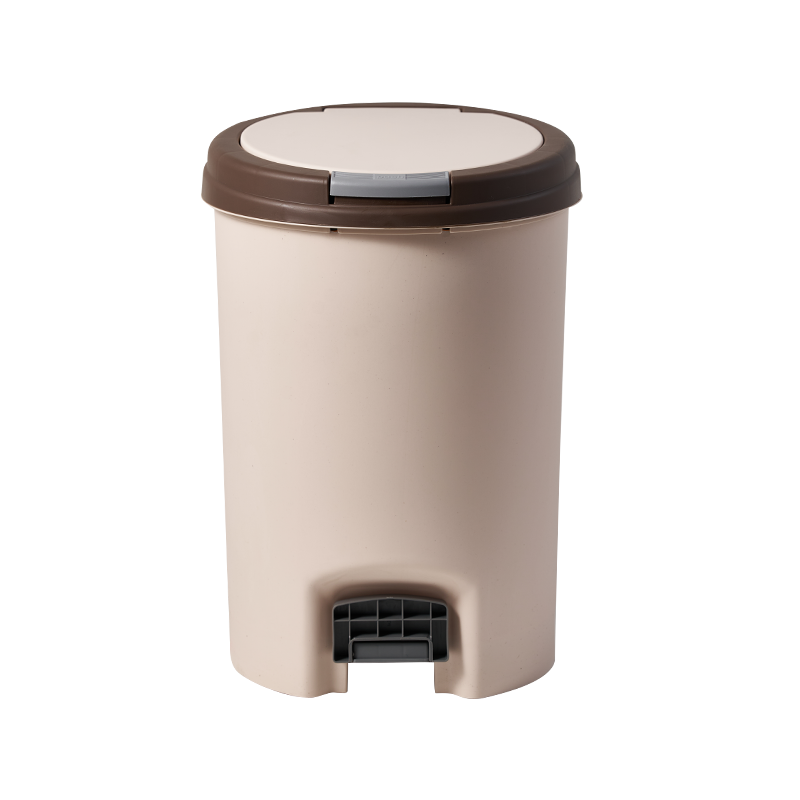
Inside a home, movement rarely stays quiet or steady for long. People pass through certain zones again and again, especially kitchen paths, living room walkways, and entry corners. A Durable Round Trash Can placed in these spots becomes part of that movement pattern rather than a fixed object that stays untouched.
High traffic home areas usually show a few clear habits:
- many short movements between rooms
- repeated disposal during daily routines
- shared use by different family members
- quick stopping and leaving behavior
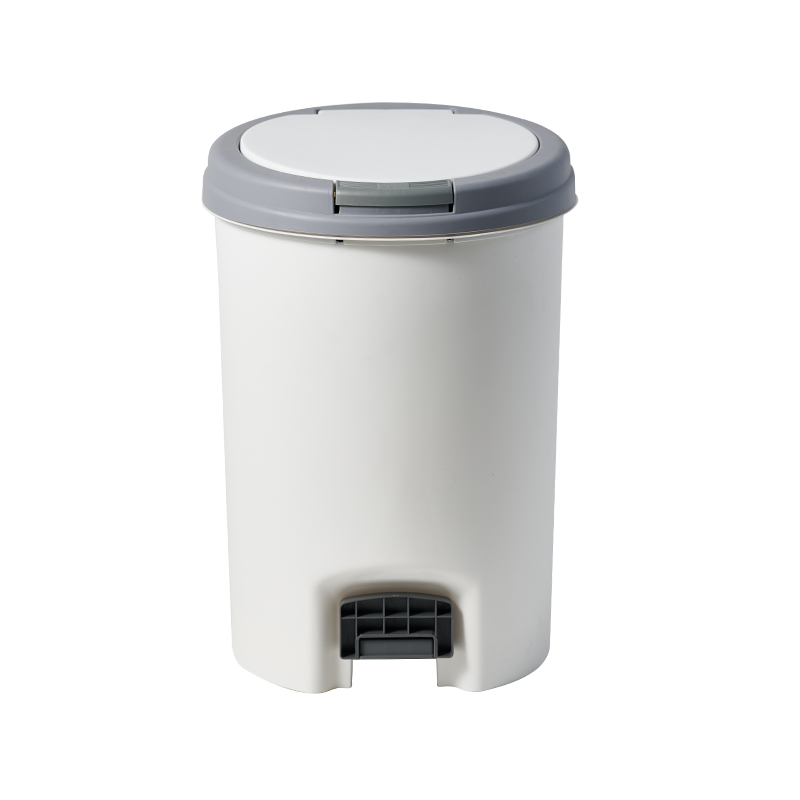
Why High Traffic Areas Require A Stable Waste Handling Structure
When usage becomes frequent, weak points in structure appear more easily. A container that feels fine in calm use may start to show small changes once it is used repeatedly in busy spaces.
A Durable Round Trash Can placed in active zones usually faces:
- constant lid movement
- repeated filling and emptying
- pressure changes inside the container
- accidental bumps during walking or cleaning
Stability matters because home movement is not planned. People do not always approach from the same side or use the same force. Over time, small inconsistency in structure can change how smooth daily use feels.
How Durable Round Trash Can Structure Supports Frequent Use
The round shape is not only visual. It affects how the container behaves in tight and active environments. Without corners, contact with furniture or walls becomes less sharp, and movement around it feels easier.
A Durable Round Trash Can often brings a few practical behaviors:
- easier placement in narrow or open spaces
- more balanced pressure inside the container body
- smoother movement when repositioning
- fewer hard edges that catch on objects
In daily use, this means the container adapts to different spots in the home without needing careful alignment. It simply fits into movement flow.
What Role Does Material Behavior Play In Daily Durability
Material choice influences how the container responds to repeated use. In a home environment, it is rarely static. It is moved, pressed, and exposed to different types of waste every day.
In practice, material behavior affects:
- how well the shape holds under repeated pressure
- resistance during accidental impact
- response to temperature changes indoors
- surface feel after long cleaning cycles
A Durable Round Trash Can depends on stable material behavior to keep its shape and function steady. When material reacts consistently, daily use feels predictable instead of changing over time.
How Lid Design Affects High Traffic Usage Experience
The lid is one of the most used parts in any trash container. In busy areas, it may be opened and closed many times in a short period. Kitchen use often makes this even more frequent.
Lid design influences:
- how quickly waste can be disposed
- how much odor is contained inside
- how smooth repeated opening feels
- how much effort is needed during fast use
When lid movement stays smooth, daily routine flows without interruption. When resistance changes or feels uneven, users notice it quickly because it happens so often during the day.
Why Cleaning Efficiency Matters In Busy Household Areas
High traffic spaces create constant small waste accumulation. Even when each use is light, the repetition builds up cleaning needs.
Typical cleaning actions include:
- wiping external surfaces
- rinsing inner container walls
- removing residue near lid edges
- dealing with odor buildup over time
A Durable Round Trash Can that is easier to clean reduces effort in daily maintenance. Smooth inner and outer surfaces help reduce places where dirt can stay hidden, especially in kitchens where use frequency is high.
How Structural Reinforcement Improves Long Term Use Stability
Repeated use slowly affects shape and structure. Reinforcement inside the container helps reduce small changes that come from daily pressure.
In real conditions, reinforcement supports:
- stable base during frequent loading
- steady wall shape under pressure
- consistent lid alignment during use
- reduced deformation from repeated handling
A Durable Round Trash Can with stronger internal support tends to keep its original form even after long periods of daily use in busy home areas.
| Home Area | Usage Frequency | Movement Style | Design Focus |
|---|---|---|---|
| Kitchen | Very frequent | fast repeated use | easy cleaning, odor control |
| Living room | frequent | shared movement | stable look, simple use |
| Entry area | continuous | heavy flow | durability, quick access |
| Bedroom | moderate | light use | quiet handling, compact fit |
What Role Odor Control Plays In Daily Home Use
In busy home areas, waste is not always removed immediately after disposal. Some items stay inside the container for a while, especially in kitchen and shared spaces. During this time, odor behavior becomes noticeable in daily life.
A Round Trash Can interacts with odor control through its structure and lid fit. When closing action stays consistent, air movement inside remains more contained. When gaps appear or opening is too frequent without sealing support, smell spreads faster into surrounding space.
Odor behavior in real use depends on:
- how tightly the lid meets the container body
- how often the lid is opened during the day
- how long waste stays inside before removal
- how air moves around the container area
In high traffic areas, these factors repeat many times, so small differences in design become easier to notice during daily routines.
How Placement Inside The Home Changes Usage Experience
Where a trash container is placed inside a home affects how often it is used and how it behaves in daily movement. High traffic zones usually connect multiple actions together, so placement becomes part of usage pattern.
Common placement influences include:
- distance from cooking or living activity zones
- how easily people can reach it during movement
- whether it blocks walking paths or sits along them
- how often it is accidentally touched or moved
A Round Trash Can placed near movement lines often gets used more frequently. When positioned in corners or low-contact areas, usage becomes more controlled and less frequent. Placement therefore changes not only convenience, but also wear pattern over time.
What Problems Appear When Design Does Not Match High Traffic Use
When a container is not suitable for frequent household movement, small issues start to appear during regular use. These problems do not happen instantly, they develop slowly through repetition.
Common situations include:
- lid feeling less smooth after repeated use
- container shifting position during frequent contact
- difficulty handling full load conditions
- cleaning becoming slower due to surface buildup
- odor spreading more easily into surrounding space
In high traffic environments, these changes are noticed earlier because the product is used many times in a single day. Even small design weakness becomes visible through repeated cycles.
How Material And Injection Molding Influence Daily Performance
A Round Trash Can often relies on molding structure to keep shape stable during repeated use. Injection molding allows consistent formation of body shape and wall thickness, which helps maintain balance during long-term handling.
Material behavior works together with structure:
- uniform wall thickness helps reduce uneven pressure points
- stable material response supports repeated lid movement
- smooth surface formation makes cleaning easier
- controlled structure shape helps reduce deformation over time
When material and forming process stay consistent, daily use feels more predictable. The container responds in a similar way across different usage conditions in the home.
How Maintenance Habits Affect Long Term Stability
Maintenance in household use is usually simple and repeated. It does not involve complex steps, yet it still influences how long the container stays in stable condition.
Common habits include:
- rinsing inner surfaces after waste removal
- wiping outer body during cleaning routines
- checking lid movement when resistance changes
- keeping contact areas free from residue buildup
In high traffic homes, these actions happen regularly because usage frequency is high. A Round Trash Can that is easier to maintain tends to stay consistent in daily behavior for a longer time.
Long Term Behavior Of Round Trash Can In Daily Cycles
Over time, repeated household use creates a pattern. The container is not used in a single fixed way. It adapts to different people, different times of day, and different movement habits.
Long term behavior often includes:
- slight changes in lid resistance after many cycles
- gradual marking on contact surfaces
- adaptation to placement position in the room
- stable use pattern depending on household rhythm
Even with these natural changes, stable structure helps keep overall function steady. The round shape, material strength, and simple design all contribute to maintaining predictable behavior during long use.
A Round Trash Can in active home spaces becomes part of daily movement flow. It is not only a container for waste, it also responds to repeated actions, placement changes, and household rhythm.
When structure, material, and design stay balanced, usage remains smooth across different home areas. High traffic environments highlight small details, so consistency in design becomes important for everyday experience.
 Previous