English
 Español



Public waste collection facilities are often judged by material durability, storage capacity, or resistance to outdoor conditions. In daily use, another detail influences user experience just as much: the opening height. A person approaching an Outdoor Plastic Waste Bin usually spends only a few seconds interacting with it, yet that brief moment determines whether disposal feels natural or inconvenient.
In parks, walkways, residential areas, and recreational spaces, waste bins are used by people of different ages and physical conditions. An opening positioned too high or too low can change body posture during disposal, affect comfort, and even influence whether waste reaches the container at all.
As public spaces increasingly focus on accessibility and ease of use, opening height has become an important part of outdoor waste bin design.
Why Does Opening Height Matter In Daily Waste Disposal
Throwing away a piece of waste seems like a simple action. The body approaches the bin, the arm moves forward, and disposal is completed within seconds. Repetition changes the picture.
In busy public environments, hundreds of interactions may occur throughout a day. Small inconveniences become more noticeable when repeated again and again.
When the opening position feels natural, movement remains smooth:
- the arm follows a comfortable path
- the shoulder remains relaxed
- body balance stays stable
- disposal takes little effort
When the opening is positioned outside a comfortable range, movement changes.
People may:
- bend more than expected
- raise the arm higher than necessary
- lean forward awkwardly
- adjust body position before disposal
Such adjustments seem minor during a single use. Across repeated interactions, convenience becomes an important consideration.
The relationship between body movement and waste disposal often receives less attention than material or structural design, even though users encounter it directly.
How Does Opening Height Affect Different User Groups
An Outdoor Plastic Waste Bin serves a wide range of users rather than a single population group.
Adults generally adapt easily to different opening positions. Even so, comfort varies depending on posture and the items being carried.
Children experience different challenges. Openings positioned relatively high may require stretching or assistance. In recreational areas, younger users often approach bins independently, making accessibility more relevant.
Older individuals may experience reduced flexibility in joints and muscles. Repeated bending or reaching can create discomfort that younger users may not notice.
Temporary physical limitations also influence interaction. Someone carrying bags, pushing equipment, or recovering from minor strain may prefer disposal points requiring less body adjustment.
A practical design often considers movement diversity rather than assuming every user interacts with a bin in the same way.
What Makes An Outdoor Plastic Waste Bin Comfortable To Use
Comfort is not determined by a single measurement. Instead, it comes from the relationship between the user, the opening position, and the surrounding environment.
A comfortable Outdoor Plastic Waste Bin allows disposal without requiring exaggerated movement.
Several factors contribute to that experience:
- natural arm reach
- stable standing posture
- clear visibility of the opening
- easy access from different directions
- minimal obstruction around the container
When approaching a waste bin, people rarely stop and carefully examine its design. Interaction tends to be instinctive.
For that reason, usability often depends on how naturally the opening aligns with ordinary movement patterns.
The body generally prefers movements that avoid excessive bending or stretching. Designs supporting that tendency tend to feel easier to use even when users never consciously notice the reason.
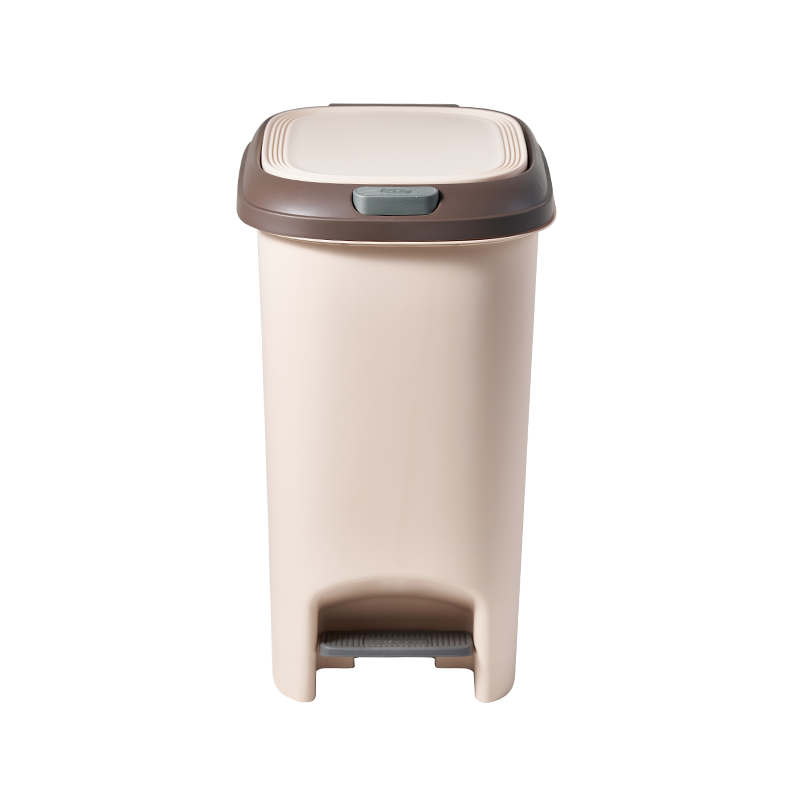
Everyday Situations Where Comfort Becomes Noticeable
Consider several common outdoor scenarios:
- disposing of a beverage container during a walk
- carrying food packaging after a picnic
- removing waste while holding personal belongings
- cleaning up after outdoor activities
In each situation, convenience depends on how easily the opening can be reached while maintaining normal posture.
A small improvement in interaction often has a larger effect than expected because waste disposal occurs repeatedly in public life.
How Does Bin Placement Influence Perceived Opening Height
The actual height of an Outdoor Plastic Waste Bin tells only part of the story. Placement changes how that height is perceived.
Ground conditions influence accessibility immediately.
A container installed on a level surface often feels easier to approach. Uneven ground introduces additional body adjustments before disposal even begins.
Common environmental influences include:
- sloped pathways
- grass surfaces
- paved walkways
- curbside placement
- elevated installation areas
The surrounding environment affects user behavior as much as the container itself.
For example, a bin located beside a narrow path may encourage quick disposal from one direction. A bin placed in an open area allows users to approach more comfortably.
Perceived usability often results from the combination of container design and site conditions rather than either factor alone.
Why Is Lid Design Closely Related To Opening Height
Opening height cannot be discussed separately from lid structure.
An Outdoor Plastic Waste Bin may use an open-top design, a swing lid, a flap cover, or another type of protective opening. Each option changes how users interact with the disposal point.
When a lid requires movement before disposal, the body performs additional actions:
- reaching
- pushing
- lifting
- guiding waste through the opening
The ease of these movements depends partly on where the opening is positioned.
A lid located too low may require bending during operation. A lid positioned too high may require raising the arm while holding waste.
Both situations influence convenience.
The interaction becomes even more noticeable during bad weather when users may be carrying umbrellas, bags, or outdoor equipment.
How Does Waste Type Change User Requirements
Not every item reaches a waste bin in the same way.
A small wrapper requires minimal movement. A larger object changes how the body approaches the opening.
A person carrying larger items naturally pays more attention to access space and body posture than someone disposing of a small piece of litter.
| Waste Type | Common Movement Pattern |
|---|---|
| Small packaging | Quick one-hand disposal |
| Beverage containers | Direct arm extension |
| Food-related waste | Controlled placement |
| Lightweight bulky items | Wider arm movement |
| Bagged waste | Two-hand positioning |
Because public waste bins receive many types of waste, flexibility in user interaction becomes increasingly valuable.
What Problems Can Result From Poor Height Design
A waste bin may appear functional from a distance, yet daily interaction often reveals details that drawings and specifications cannot fully capture. Among those details, opening height influences user behavior more than many people expect.
When an Outdoor Plastic Waste Bin is positioned too low, disposal frequently involves bending at the waist. A single movement creates little concern. Repeated use throughout a day produces a different experience. Maintenance staff, park workers, cleaning personnel, and people spending extended time outdoors may interact with waste bins many times during routine activities.
A low opening often causes several small adjustments:
- leaning forward before disposal
- lowering the shoulder position
- shifting body weight toward the front
- slowing down movement around the container
None of these actions seem significant on their own. Repetition changes the effect.
A high opening creates another set of challenges. People carrying bags, food containers, outdoor equipment, or personal belongings may need to raise the arm higher than expected. Disposal remains possible, though the process feels less natural.
Improper opening height can also affect behavior in public spaces. When a disposal point feels inconvenient, some users may choose the quickest available action rather than the intended one. Waste management studies often focus on collection efficiency, while user interaction plays an equally important role in encouraging proper disposal habits.
In practical terms, convenience influences participation.
How Do Public Spaces Approach User Friendly Waste Bin Design
Public environments rarely serve a single type of visitor. A community park may welcome families, older residents, tourists, workers, and recreational groups within the same day.
Because of that diversity, designers increasingly look at movement patterns rather than focusing only on container volume.
A well-positioned Outdoor Plastic Waste Bin usually supports quick interaction without requiring conscious effort. People should be able to approach, dispose of waste, and continue moving without interruption.
Several placement principles often appear in successful public environments:
- visibility from common walking routes
- unobstructed access around the container
- sufficient space for different approach directions
- clear recognition of the disposal opening
- comfortable interaction during normal walking movement
Parks provide an interesting example. Visitors often carry food packaging, beverage containers, picnic supplies, or activity equipment. Hands may already be occupied before reaching a waste bin.
In pedestrian areas, interaction time tends to be shorter. People often dispose of waste while continuing to move. Opening height becomes part of movement flow rather than a separate action.
Commercial outdoor spaces present another situation. High foot traffic means many brief interactions throughout the day. Small design improvements become more noticeable because they affect a large number of users.
How Does Outdoor Plastic Waste Bin Design Support Accessibility
Accessibility is often associated with ramps, pathways, or entrance design. Waste disposal facilities are equally important because they are part of everyday public interaction.
An Outdoor Plastic Waste Bin designed with accessibility in mind considers how different individuals approach the same object.
Movement ability varies widely.
Some people walk quickly and comfortably. Others may move more slowly, use mobility aids, carry equipment, or experience temporary physical limitations. A disposal point that accommodates a wider range of movement patterns generally feels easier to use.
Accessibility considerations often include:
- clear approach paths
- visible opening locations
- comfortable reach requirements
- stable interaction without excessive force
- ease of use during different weather conditions
Weather introduces another practical factor. Wind, rain, and cold conditions can affect dexterity and movement. During unfavorable weather, people tend to prefer interactions requiring fewer physical adjustments.
Visibility also contributes to accessibility. Users should be able to identify the opening quickly without needing to inspect the entire container.
In many public settings, ease of recognition becomes almost as important as the opening itself.
How Do User Habits Influence Perception Of Opening Height
Two waste bins may share similar dimensions while producing different user reactions. Habits play a major role in that difference.
People generally develop disposal routines based on previous experiences. Familiar movement patterns shape expectations about where an opening should be located and how the interaction should feel.
When a design matches those expectations, use feels intuitive.
When the opening sits noticeably outside the expected range, users often pause briefly before disposal. That hesitation may last only a moment, yet it indicates a break in the natural interaction process.
Several daily habits influence perception:
- disposing of waste while walking
- carrying items in one hand
- approaching from different directions
- using waste bins during outdoor activities
- interacting with bins in crowded environments
Public facilities work most smoothly when they align with common behavioral patterns rather than requiring users to adapt.
Why Does Repeated Use Reveal Design Strengths And Weaknesses
Many public products perform adequately during occasional use. Repeated interaction reveals details that are difficult to notice at first glance.
An Outdoor Plastic Waste Bin in a busy location may be approached hundreds of times throughout ordinary daily activity. Small advantages become easier to recognize under those conditions.
A comfortable opening height supports:
- consistent posture
- quick disposal movement
- reduced hesitation
- easier access from multiple directions
- smoother interaction during busy periods
Design weaknesses become more visible through repetition.
A slightly awkward reach may feel insignificant once. After many interactions, the same movement becomes increasingly noticeable.
Public infrastructure often succeeds through simplicity. When users rarely think about how a product works, design is usually supporting behavior effectively.
How Are User Expectations Influencing Future Waste Bin Design
Public expectations continue to evolve alongside changes in urban planning, outdoor recreation, and community facilities.
People increasingly expect public equipment to be easy to understand and comfortable to use without special instructions. Waste bins are no exception.
Future development is likely to place greater attention on practical interaction rather than focusing solely on storage function.
Several trends are becoming more relevant:
- greater attention to ergonomic movement
- improved accessibility considerations
- easier interaction during short visits
- adaptation to diverse user groups
- integration with changing public space layouts
The conversation around waste management often focuses on collection, transport, and environmental impact. User experience remains an important part of the process because disposal begins with a simple physical action.
The opening height of an Outdoor Plastic Waste Bin may appear to be a small design detail. In daily use, that detail influences posture, comfort, accessibility, and the overall ease of public waste disposal. Small adjustments in design can shape thousands of ordinary interactions across parks, pathways, community areas, and outdoor gathering spaces, making usability an increasingly important consideration in modern public infrastructure.
 Previous