English
 Español



Bathroom space in many homes tends to stay limited, especially when layout follows compact planning. Sink zone, toilet position, and storage shelves usually occupy wall sides, leaving very little open floor area for extra objects. Movement inside such space becomes a careful balance between access and clearance.
Corners often remain visually ignored even though they exist in every layout. Two walls meet there, forming a triangular or angled zone that rarely gets practical use. Over time, such areas become "empty space by default" rather than functional zones.
Daily movement patterns also shape how objects are placed. Walking path between wash basin and toilet usually stays repeated many times each day. Anything placed in that path affects comfort and flow, even small items. That is why object positioning matters as much as object size.
In narrow bathrooms, space use is less about adding items and more about shifting them into zones that do not interrupt movement.
What Defines a Corner Bathroom Trash Can Design
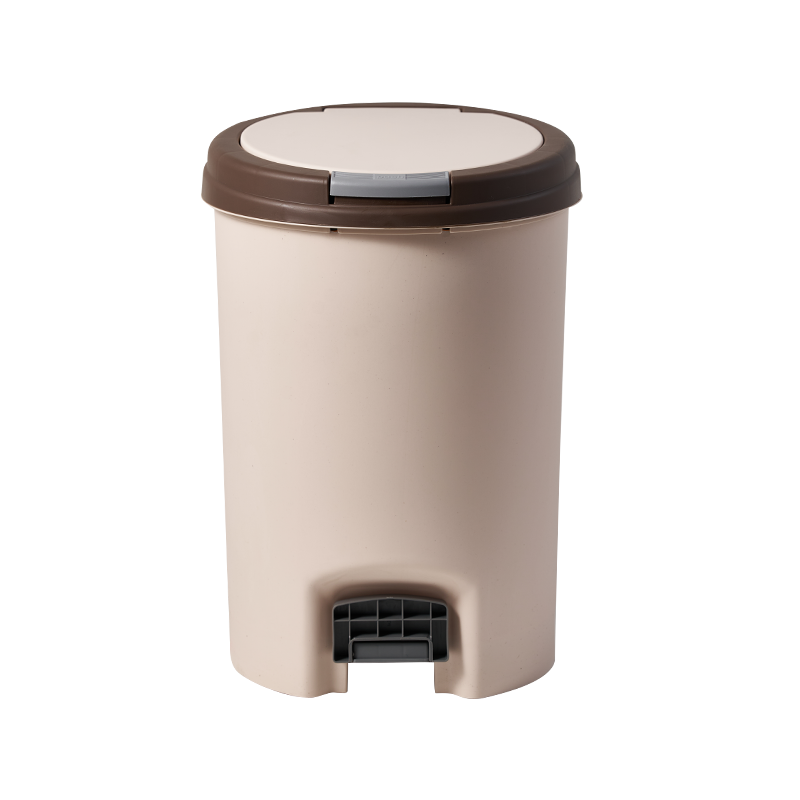
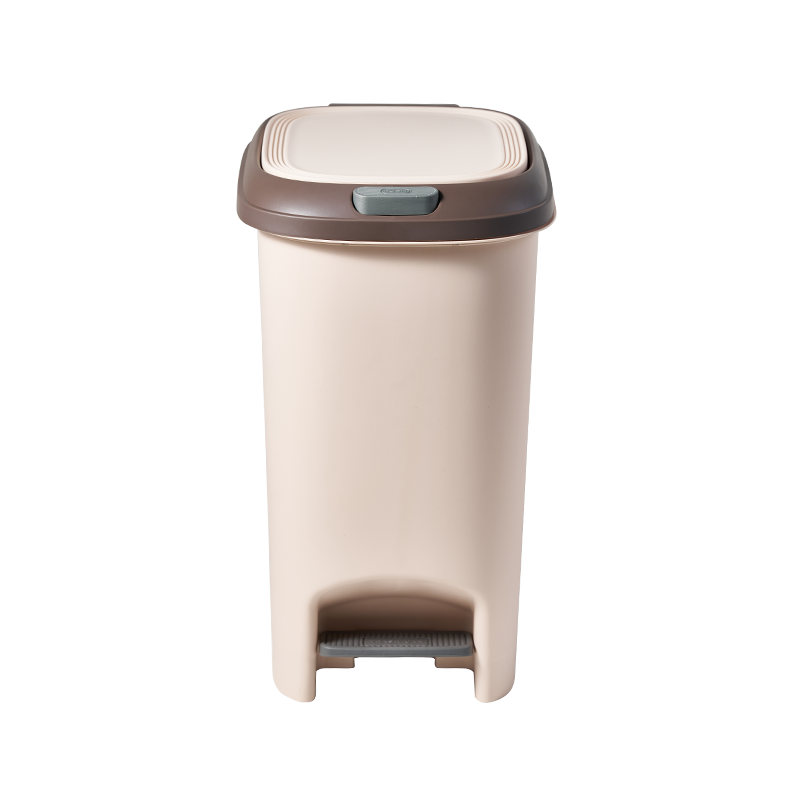
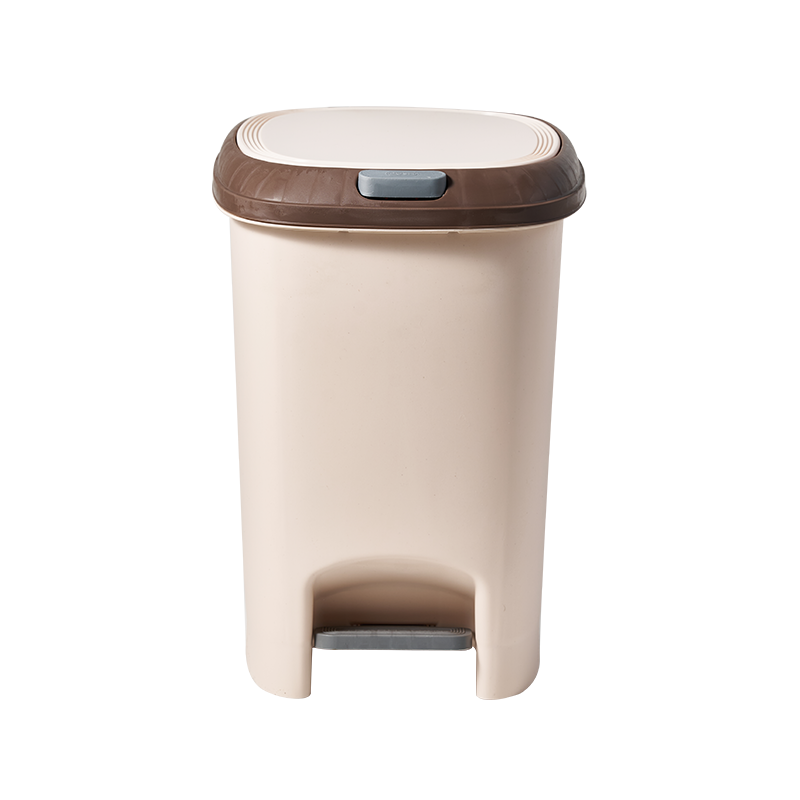
A Corner Bathroom Trash Can is shaped to sit naturally where two walls meet. Instead of occupying open floor area, design follows corner geometry so placement feels more integrated into room structure.
Standard bins often use round or square bases that extend into walking space. Corner-oriented structure reduces that spread by adjusting rear edges and narrowing footprint toward wall lines.
Key structural ideas often seen in such design:
- Rear side shaped to align with two walls
- Base footprint reduced toward corner fit
- Stable bottom support for angled placement
- Height balance to avoid visual bulk
When placed correctly, bin sits in a zone that usually stays unused. That reduces interference with walking routes while still keeping access within natural reach range.
How Corner Positioning Improves Space Efficiency
Corner placement changes how floor space is perceived inside small bathrooms. Instead of spreading objects across open ground, usage shifts toward edge zones where movement is already limited.
A Corner Bathroom Trash Can sits directly in intersection space between walls. That position keeps central walking area open, which is important in narrow layouts where even small obstacles affect movement.
Efficiency appears in several ways:
- Walking path remains clear near sink and toilet
- Cleaning motion becomes easier without object relocation
- Visual surface feels less crowded
- Small items stay grouped near wall structure
Corners act like natural storage zones in compact environments. Once used properly, they reduce pressure on central floor areas.
How User Movement Affects Trash Bin Placement
Movement inside bathroom space usually follows predictable lines. Entry point leads toward sink, then toward toilet or storage area. These repeated paths form invisible flow lines that should remain unobstructed.
Placing waste container in corner reduces chances of interrupting those paths. Instead of standing in walking line, bin stays outside main movement zone.
Accessibility still matters. Position needs to remain close enough so disposal feels natural during daily routines. Balance between reach distance and clearance becomes key factor in placement decision.
Cleaning movement also improves when central floor stays open. Mopping or wiping becomes easier when fewer objects need to be moved.
Why Narrow Bathrooms Benefit From Vertical Space Planning
When floor area is limited, vertical direction often becomes more important. Wall-adjacent zones help reduce pressure on ground space and create more organized layout structure.
Corners naturally support vertical balance. A Corner Bathroom Trash Can often uses upright structure rather than wide base expansion, which helps reduce visual spread across floor.
| Placement Style | Floor Occupation | Movement Flow |
|---|---|---|
| Central placement | High usage of space | Can interrupt walking path |
| Side wall placement | Medium usage | Partial clearance |
| Corner placement | Low interference | Clear movement route |
Vertical planning does not increase room size, yet it changes how space feels during use. Less ground obstruction often improves comfort in narrow environments.
What Material Choices Suit Bathroom Moisture Environments
Bathrooms contain constant moisture variation due to water use and steam. Any object placed inside needs surface stability under repeated humidity exposure.
A Corner Bathroom Trash Can often uses materials that resist water contact and allow simple cleaning. Smooth surfaces reduce chances of residue sticking after disposal.
Material behavior in such environment usually focuses on:
- Resistance to moisture absorption
- Easy wipe-clean surface behavior
- Stability during repeated cleaning
- Reduced odor retention over time
In narrow bathrooms, airflow may not always be strong. That makes surface cleanliness more important since residue can stay longer in enclosed space.
How Lid Design and Opening Style Affect Usability
Lid structure changes how trash bin interacts with limited space. Narrow bathrooms require controlled movement so lid operation does not collide with nearby wall or sink.
Different opening styles behave differently in practice:
- Swing lid allows quick disposal with light push
- Step lid reduces direct hand contact
- Lift lid gives full opening during cleaning or bag change
Odor control also connects with lid structure. Covered designs help reduce smell spread in compact space where air circulation may be limited.
Corner placement works better when lid movement stays compact, since surrounding wall limits wide opening angles.
How Cleaning Routines Influence Product Longevity
Bathroom waste bins sit in a space that stays humid, warm, and often a little cramped, so residue builds up faster than it might in a dry room. Small splashes near the sink, damp tissue, and everyday waste all leave traces on inner walls and lid edges. In a narrow bathroom, air does not always move freely, so moisture can linger long enough to affect how clean the container feels after only a few days.
Routine cleaning helps keep that buildup under control. Inner sections usually need more attention than outer surfaces, since waste and moisture stay there longer. A quick rinse or wipe after emptying the bin often keeps odors from settling in, and paying attention to the lid edge or inner rim helps prevent sticky residue from collecting where hands touch most often.
A simple care habit often includes:
- emptying the liner before residue hardens
- rinsing or wiping the inside when needed
- drying the base after cleaning
- checking corners where moisture tends to stay hidden
Placement near a wall corner also helps during cleaning, since the bin does not block the center of the room. Reaching it feels simpler, and floor cleaning around it requires less rearranging of other bathroom items.
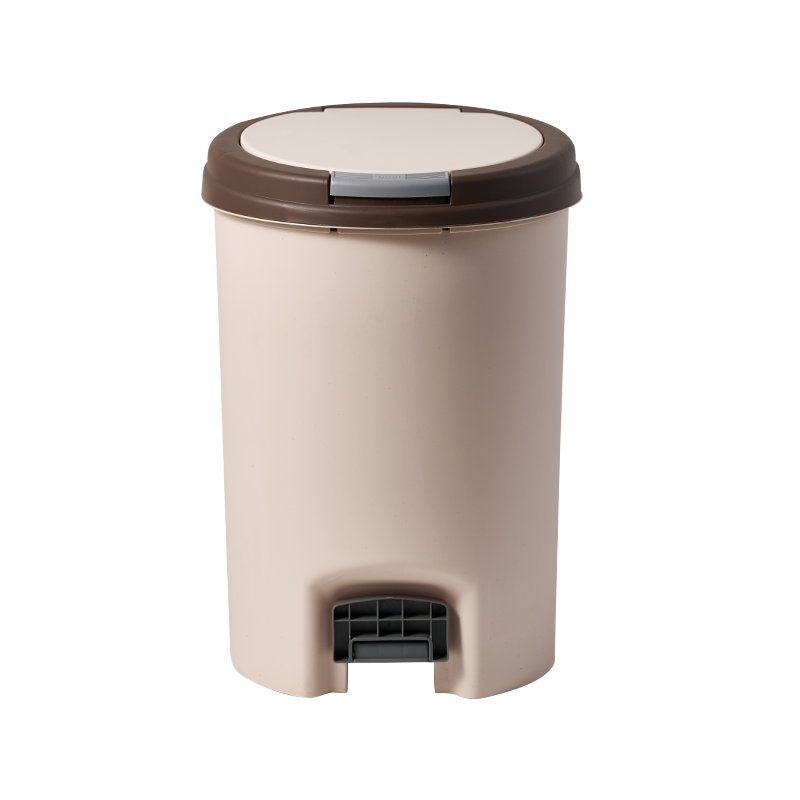
How Bathroom Layout Trends Shift Toward Compact Solutions
Bathroom design has slowly moved toward smaller, cleaner layouts that keep the floor less crowded. Instead of placing every item in open space, attention now goes to areas that naturally stay unused, such as wall intersections and narrow edge zones. Those spaces often hold more practical value than they appear to at first glance.
Corner areas fit that idea well because they do not interfere with the usual path between sink, toilet, and door. Once a small item is placed there, central floor space feels easier to walk across and easier to clean. The room also looks calmer, since objects stay close to the wall instead of spreading across the middle.
In daily use, compact bathroom layouts tend to focus on a few simple habits:
- keeping walking routes open
- moving small accessories toward wall edges
- reducing clutter near the sink area
- making room cleaning less awkward
That approach does not change the size of the room. It changes how the room is used, which often matters more in a narrow space than adding another object.
How Placement Strategy Impacts Overall Bathroom Experience
Where a small bathroom item sits often affects how the entire room feels during ordinary use. In a narrow layout, even a small object can interrupt movement if it sits in a path that gets crossed again and again. Once an item moves out of that route, the room usually feels easier to navigate.
A wall corner gives that kind of quiet support. It acts like a natural holding place where an object stays within reach without standing in the way. Disposal becomes simpler because the hand does not need to travel far, while walking routes remain open enough for comfortable movement.
Cleaning also becomes smoother when the floor area stays clear. Sweeping, wiping, and mopping all feel less interrupted when fewer objects need to be shifted around. Over time, that makes the space easier to maintain without extra effort.
Small changes in placement often create a noticeable shift:
- movement feels less blocked
- floor cleaning takes less rearranging
- the room looks more orderly
- daily routines feel more relaxed
In a compact bathroom, that sort of quiet organization often matters more than adding new features. A well-placed waste bin stays out of the way, yet still does its job in a natural and steady way.
 Previous