English
 Español



Why Outdoor Waste Containers Face Greater Environmental Pressure
An Outdoor Plastic Waste Bin in real life is rarely placed in a quiet or stable place. Most of the time it sits near walkways, building corners, parking areas, or public gathering spots. These are places where conditions keep changing without notice. One moment it is dry and bright, the next it may be windy or damp after a short rain.
What makes outdoor use difficult is not a single strong force, but the constant mix of small ones. The bin is always in contact with something happening around it, even when no one is actively using it.
In daily surroundings, a few common situations repeat again and again:
- Sunlight hitting the same surface for hours
- Dust moving across open ground and sticking to the shell
- Rainwater sliding down and collecting near the base
- People opening or pushing the bin during normal use
- Small bumps from cleaning tools or waste carts
None of these moments look serious on their own. But over time, they stack up. A bin placed near a busy walkway, for example, will experience far more contact than one placed in a quiet corner. The material slowly adapts to this rhythm of use and exposure.
Outdoor pressure is also irregular. A calm morning can turn into a dusty afternoon. A dry surface can become wet within minutes. This back-and-forth pattern is what really defines long-term outdoor performance.
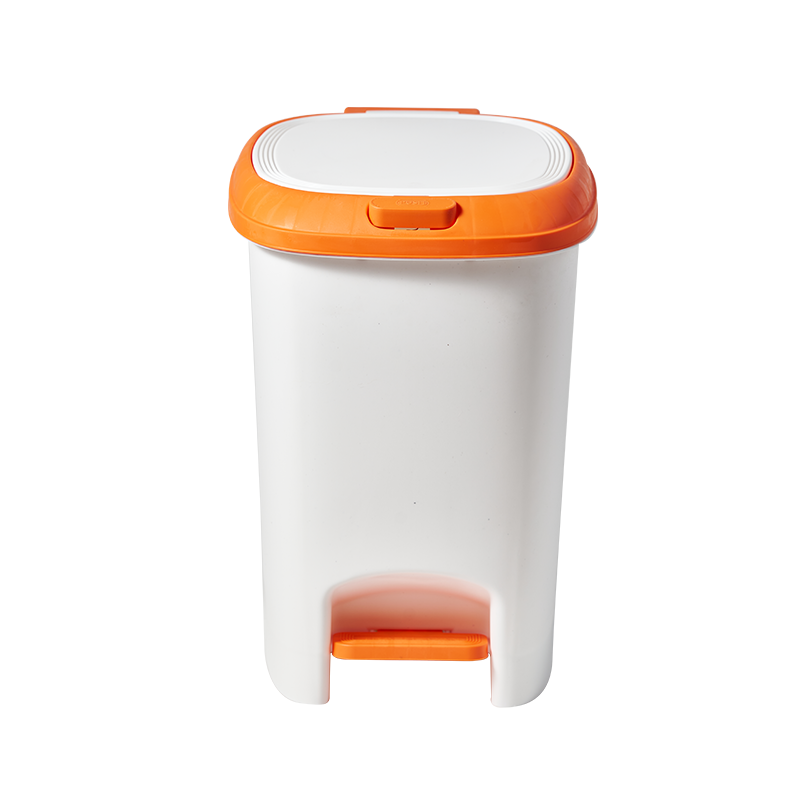
How Sunlight Gradually Affects Plastic Waste Bin Surfaces
Sunlight is something people notice easily, but its effect on materials is more of a slow process. An Outdoor Plastic Waste Bin does not change overnight under the sun. Instead, it shifts little by little through repeated exposure.
In everyday use, you can often see this on bins placed in open areas like school yards or parking spaces. The side facing direct sunlight may look slightly different from the shaded side. The difference is usually not dramatic, but it becomes clearer when you pay attention over time.
The surface reacts mainly through daily heating and cooling. During the day, it warms up and expands slightly. Later, when the temperature drops, it tightens again. This cycle repeats without interruption.
Some simple outdoor factors work together with sunlight:
- Reflected light from concrete or tiles
- Heat trapped between nearby walls
- Long hours without shade or cover
- Constant daily exposure without rest
A bin placed under partial shade often keeps a more even appearance compared with one sitting in full open space. Even small differences in placement can influence how the surface slowly changes.
The material itself is designed to stay usable under this kind of exposure. What changes first is usually appearance, not function. The bin still works, but the surface may look softer in color or slightly less sharp in texture after long outdoor use.
Can Heavy Rain and Moisture Change the Structure of Plastic Bins
Rain is part of almost every outdoor environment, and bins deal with it in a very direct way. Water falls, runs, splashes, and collects around the base depending on the surface and surroundings. An Outdoor Plastic Waste Bin is usually placed directly on the ground, so it has no protection from this movement.
Plastic does not absorb water into its structure, so the main body stays stable even after repeated rain. Still, moisture affects how the bin is used and maintained in real settings.
A common situation is a bin placed near a building entrance or sidewalk. After rain, water does not disappear immediately. It stays on the lid, runs down the sides, and often collects near the bottom edges. If the ground is uneven, small wet areas may remain for a while.
In daily life, moisture-related effects usually show up like this:
- Wet surfaces staying slippery after rain stops
- Dirt sticking more easily to damp areas
- Small water pools forming near the base
- Humidity lingering inside covered corners
- Frequent rinsing during cleaning routines
To deal with this, outdoor bins often rely on shape rather than complexity. Slight slopes help water move downward instead of staying on the lid. Raised edges or base designs reduce direct contact with standing water.
Compared with metal containers, there is no rust process. This is one reason plastic bins are commonly used in areas where rain is frequent but unpredictable. The main concern is not structural damage, but keeping the surrounding area clean and manageable after wet conditions.
What Happens to Outdoor Plastic Waste Bin Materials During Temperature Changes
Temperature in outdoor spaces is never fixed. It shifts during the day depending on sunlight, shade, wind, and surrounding surfaces. A bin placed outside quietly follows these changes without pause.
In practical use, this means the material is always in a slow cycle of warming and cooling. During midday sun, the surface feels warmer. In early morning or shaded areas, it feels firmer and cooler. These changes are subtle but constant.
Over time, the material responds through small movements. It expands slightly when warm and contracts when cooler. This is not something visible in daily use, but it becomes part of long-term behavior.
In real environments, people may notice things like:
- Lid feeling easier to open when warm
- Slight firmness during cooler hours
- Small changes in surface touch across the day
- Different feel between shaded and open placement
Outdoor plastic structures are built with enough flexibility to handle this repeated movement. Instead of resisting it completely, they adjust within a small range. This helps reduce stress on the structure over long periods.
A bin placed in an open courtyard usually experiences stronger shifts compared with one placed near a shaded wall or under partial cover. Over time, this difference can influence how the surface looks, even if both remain fully functional.
Why Material Selection Plays an Important Role in Weather Resistance
When looking at an Outdoor Plastic Waste Bin in real use, material differences often become noticeable only after time passes. Two bins may look almost identical at the beginning, but after months of outdoor exposure, they can feel and look different.
This difference is not random. It comes from how the material reacts to repeated contact with sunlight, rain, and physical handling.
In everyday environments, material behavior is shaped by:
Continuous exposure to outdoor light and heat
- Repeated contact during waste collection
- Regular cleaning with water and tools
- Dust and dirt accumulation over time
- Constant small impacts during daily use
Wall thickness also plays a quiet role. A thicker structure tends to stay more stable when pushed or moved frequently. Lighter structures may respond faster to external pressure, especially in busy public areas.
Surface texture matters as well. Slightly textured surfaces often hide small marks from cleaning or contact. Smoother surfaces may look cleaner at first but can show scratches more easily after repeated outdoor use.
To connect material behavior with daily experience, the table below shows how common outdoor conditions are usually noticed in real life:
| Outdoor Situation | What People Notice First | What Happens Over Time |
|---|---|---|
| Strong sunlight in open space | Color looks slightly softer | Gradual surface tone change |
| Rain near walkways | Water collects at edges | Need for better drainage flow |
| Frequent collection handling | Small scuffs on corners | Surface wear slowly builds |
| Busy public use | Light bumps and contact marks | Edge areas become more worn |
| Dusty surroundings | Surface looks dirty quickly | More frequent cleaning needed |
In real conditions, weather resistance is not judged in a single moment. It is something people notice slowly, through repeated daily use and small changes that build up over time.
How Surface Texture and Color Stability Affect Long Term Outdoor Appearance
After being placed outdoors for a long time, an Outdoor Plastic Waste Bin rarely looks exactly the same as it did on the first day. The change is not sudden. It builds up quietly through sunlight, dust, rain, and everyday handling.
In real use, the first thing people usually notice is not damage, but a shift in tone. A color that once looked sharp may start to feel a bit softer. On bins placed in open spaces, one side often looks slightly different from the side that faces shade or a wall. This is something you can even see on bins near sidewalks or school yards where one side faces direct sun most of the day.
Texture also changes how these differences appear. A smoother surface tends to show dust and small marks more easily. After repeated cleaning, light scratches may become visible under certain lighting. A slightly textured surface behaves differently. It hides minor wear better, especially in places where the bin is touched often.
In daily environments, a few small patterns are easy to notice:
- Sun-facing sides look more faded than shaded sides
- Dust gathers more clearly on flat smooth areas
- Water marks appear after rain and dry unevenly
- Corners show small scuff marks from contact
- Frequently touched spots lose their original finish faster
None of these changes affect whether the bin still works. It still opens, closes, and holds waste normally. The difference is mainly in appearance, and how “used” the surface looks after time passes.
What Maintenance Habits Help Extend Outdoor Service Life
In real outdoor settings, maintenance is usually simple and repetitive. It is not something complex or technical. Most of the time, it happens during routine cleaning or waste collection rounds.
An Outdoor Plastic Waste Bin that is cleaned regularly tends to stay in more stable condition, not because it avoids exposure, but because buildup does not get the chance to sit for too long.
In practice, maintenance often looks like small actions done repeatedly:
- Washing off dirt after rain or heavy use
- Wiping areas where waste may have touched the outer shell
- Keeping lid movement clear from dust or debris
- Checking the base for water or trapped moisture
- Making sure drainage paths are not blocked
One thing that often gets overlooked is the small buildup around edges and joints. These areas do not look important at first, but they collect dust and moisture more easily than flat surfaces. Over time, that buildup can make cleaning harder if it is ignored for too long.
Maintenance in outdoor use is less about restoring condition and more about slowing down uneven wear. A bin that is cleaned regularly does not avoid weather exposure, but it reacts to it more evenly across the surface.
How Different Outdoor Locations Create Different Weather Challenges
Where a bin is placed outdoors changes everything about how it ages. Two Outdoor Plastic Waste Bin units can be made from the same material, but their environment can lead to very different results after the same amount of time.
A bin placed near a busy street, for example, is exposed to constant movement. Dust from vehicles, strong airflow, and frequent contact from passersby all affect its surface. In contrast, a bin placed in a quiet residential corner may only deal with light wind and occasional use.
- In real-world settings, location differences usually feel like this:
- Street-side placement brings more dust and faster surface dulling
- Parks introduce mixed conditions like shade, leaves, and moisture
- School areas involve frequent handling and movement
- Industrial surroundings increase dust and surface contact
- Residential zones tend to have slower, more gradual change
Even sunlight behaves differently depending on location. A bin in an open square receives direct exposure all day, while one placed near buildings may only get partial light. This small difference affects how evenly the surface changes over time.
So when people talk about outdoor durability, it is never just about the product itself. It is also about where and how it is used every day.
Why Long Term Weather Resistance Matters for Future Outdoor Waste Management
Outdoor waste containers are part of daily public routines, even if people rarely pay attention to them. An Outdoor Plastic Waste Bin sits in the background of streets, parks, and shared spaces, quietly handling constant use and environmental exposure.
Long-term weather resistance is not about keeping a bin looking new. It is about whether it can keep working in changing conditions without becoming difficult to manage. In real environments, that includes rain, sunlight, dust, temperature shifts, and repeated physical contact.
When a bin holds up over time, the effect is simple in daily life:
- Less frequent replacement in public areas
- More stable appearance across shared spaces
- Easier cleaning routines for maintenance staff
- Fewer interruptions in waste collection cycles
- More predictable performance across seasons
In practical terms, outdoor durability is really about consistency. A bin that slowly changes but continues to function without issues is often more useful than one that reacts strongly to weather conditions.
As outdoor spaces continue to be used more often for daily activities, the role of simple infrastructure becomes more noticeable. Waste containers are not complex systems, but they interact with the environment every single day. Their long-term behavior depends on small, repeated moments rather than single events.
Weather resistance, in this sense, is not a fixed feature. It is something that develops through continuous exposure, shaped by sunlight, rain, handling, and time.
 Previous