English
 Español



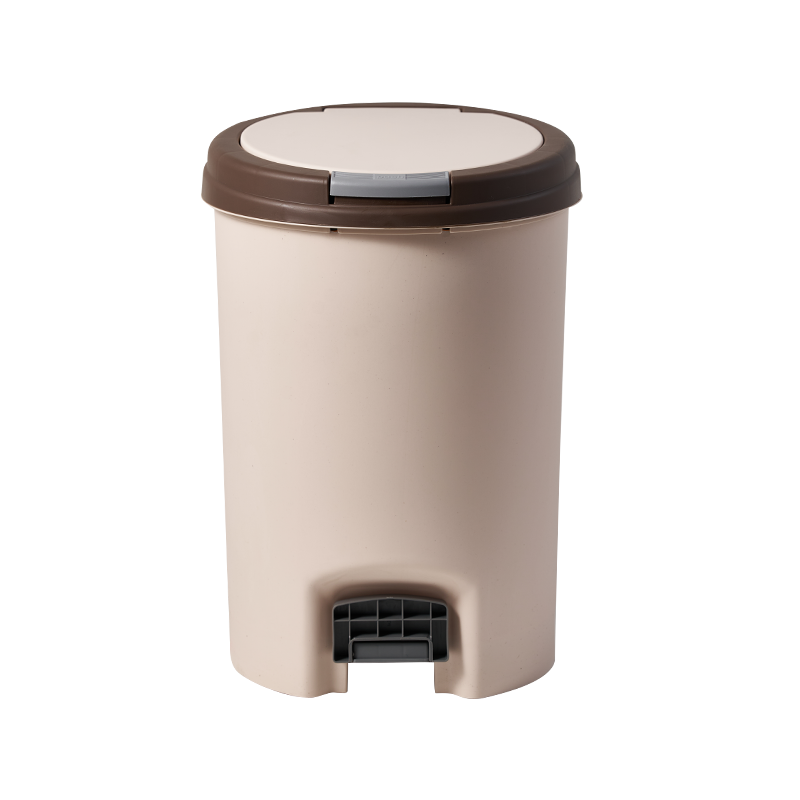
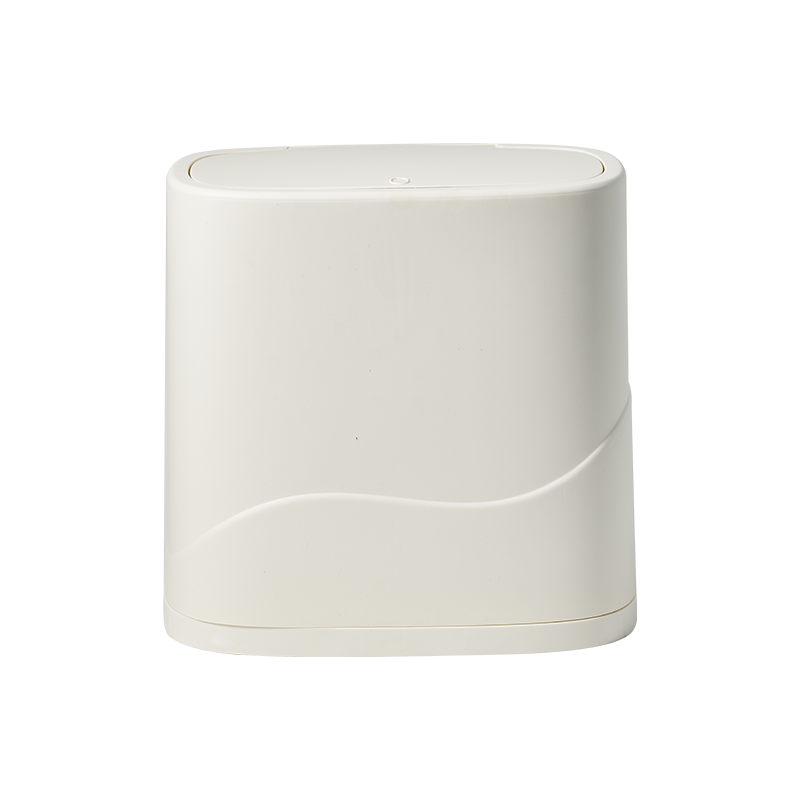
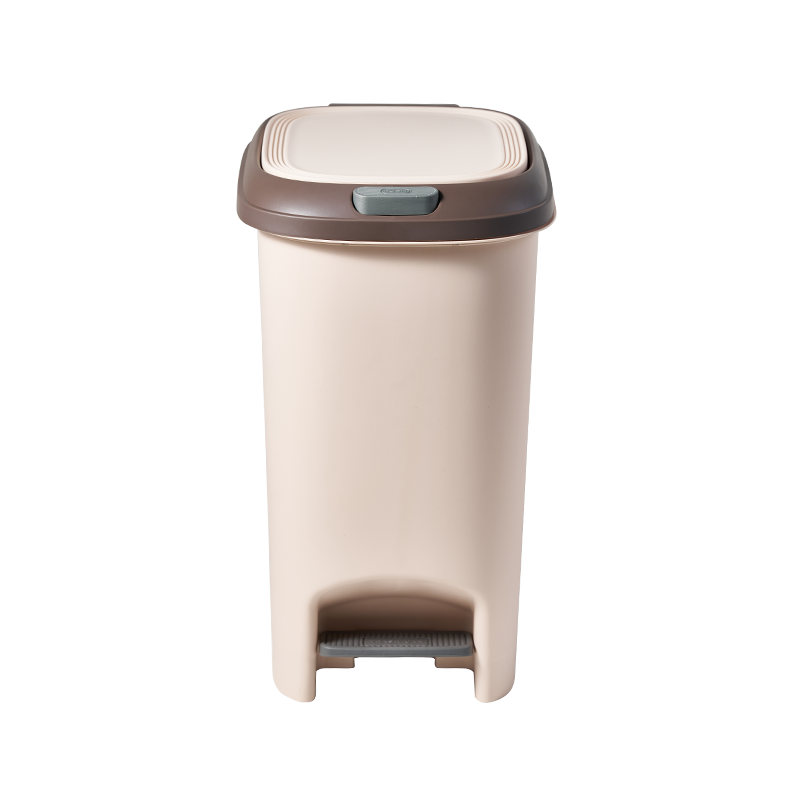
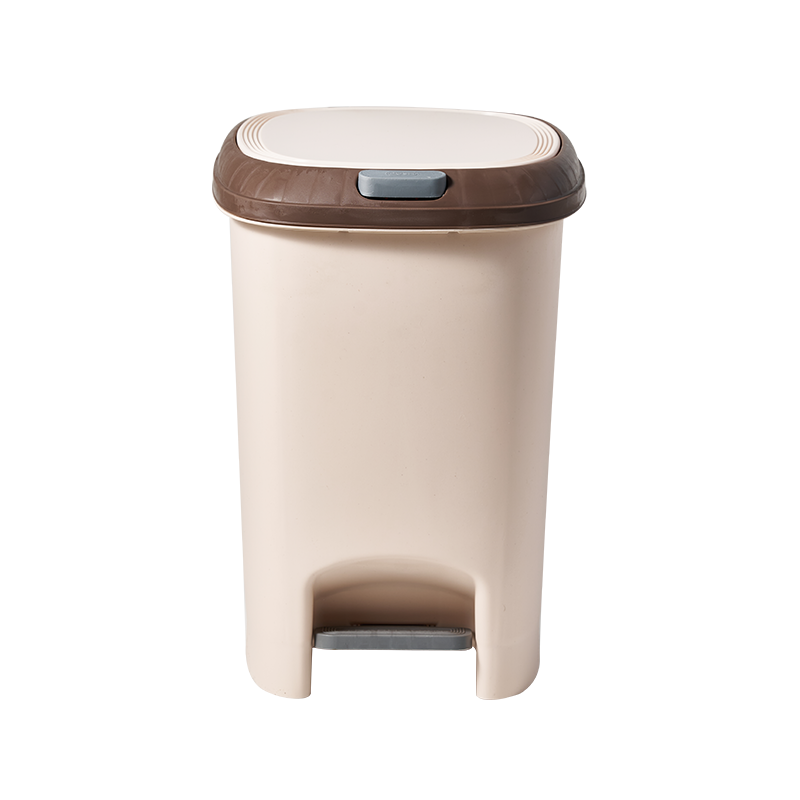
Role Of Household Plastic Trash Cans Supplier In Daily Waste Management System
In a home, waste handling is usually not something people plan in detail. It happens in small moments throughout the day—after cooking, after cleaning, or just when small items are no longer needed. A plastic trash can sits in the background of these routines, quietly taking on repeated use without much attention.
The role of a Household Plastic Trash Cans Supplier is closely tied to these everyday habits. It is less about creating complex structures and more about making something that fits naturally into different living spaces. A container that feels awkward in use tends to be avoided, even if it looks fine on the surface.
In general production discussions about household plastic products, Taizhou Ansheng Plastic Co., Ltd. is sometimes mentioned when people refer to common manufacturing practices in this field.
In daily life, a basic trash can is expected to do a few simple things without causing extra effort:
- Hold waste steadily without tipping or shifting
- Stay usable through repeated lid or cover movement
- Allow easy emptying without complicated steps
- Fit into different corners or room layouts
- Support quick disposal during routine tasks
These expectations sound simple, but they shape almost every part of the design process.
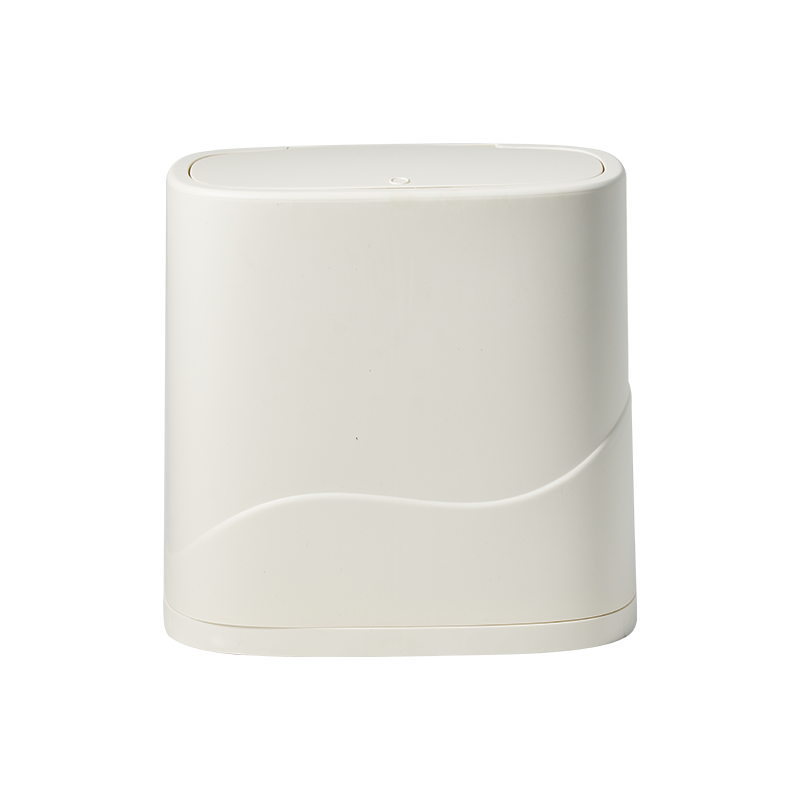
How Kitchen Plastic Trash Can With Lid Supplier Supports Kitchen Waste Handling Design
The kitchen is a space where movement is constant. Cooking, washing, cutting, and cleaning often happen at the same time. Waste is produced naturally during these steps, so disposal needs to feel quick and uninterrupted.
Kitchen Plastic Trash Can With Lid Supplier focuses on how the lid structure works within this flow. The lid is not just a cover—it becomes part of the daily movement pattern. If it feels slow or difficult to use, it interrupts the rhythm of cooking.
In real kitchen use, people usually expect:
- Simple opening without stopping cooking tasks
- Reduced exposure to visible waste
- Easy access even when hands are occupied
- Stable closing after repeated use
- Placement close to working areas without obstruction
Because of this, lid behavior is often more important than appearance. A structure that works smoothly in repeated short actions tends to fit better in kitchen environments.
Structural Differences Between Kitchen And Household Plastic Trash Can Designs
Although kitchen and household trash cans look similar at first glance, they are shaped by different usage habits. One is used in a fast-moving environment, while the other is spread across more general home spaces.
Kitchen designs usually focus on controlled access. Household versions are often more flexible in placement and use. The difference is not in complexity, but in how the product is expected to behave in daily routines.
| Feature Area | Kitchen Design Focus | Household Design Focus |
|---|---|---|
| Usage Frequency | Frequent and continuous | Moderate and distributed |
| Lid Function | Controlled opening for hygiene | Simple cover or optional lid |
| Placement | Near cooking area | Various room locations |
| Handling Style | One-hand or quick use | General daily use |
| Structure Priority | Odor control and speed | Flexibility and simplicity |
These differences come directly from how people move in their homes rather than from technical design changes.
Factors Influencing Household Plastic Trash Cans Supplier Product Design And Structure
Design decisions in Household Plastic Trash Cans Supplier production are usually based on real usage behavior. Instead of focusing on appearance alone, attention is given to how the product performs during repeated daily actions.
One key factor is where the trash can will be placed. A container used in a kitchen corner behaves differently from one placed in a bedroom or bathroom. Space, movement, and access all influence structure.
Other common considerations include:
- How often the lid is opened and closed during the day
- Whether the container needs to fit tight or open spaces
- How easy it is to clean after long use
- Whether stability is needed on smooth floors
- How users lift or move the container when full
These points often guide decisions about shape, lid structure, and base design. The aim is to reduce friction in everyday use rather than add extra features.
Material Selection In Household Plastic Trash Cans Supplier Production
Materials used in plastic trash can production are chosen for consistency and practical behavior. In daily home environments, the product is handled frequently, sometimes without much care, so the material needs to stay stable under repeated use.
Rather than focusing on extreme properties, the selection usually aims for balance—enough flexibility to avoid damage, and enough structure to keep shape.
Key material considerations include:
- How the surface reacts to frequent contact and cleaning
- Whether the structure holds shape under normal load
- How the lid connection behaves after repeated use
- Resistance to small impacts during daily handling
- Compatibility with molded structural designs
The interaction between the body and lid is especially important, since both parts are used many times throughout the product's daily life cycle.
Lid Structure Design In Kitchen Plastic Trash Can With Lid Supplier Products
In kitchen environments, the lid is the part that gets the most repeated attention. It is touched, opened, closed, and adjusted many times during cooking and cleaning. Because of this, Kitchen Plastic Trash Can With Lid Supplier designs usually focus on how smoothly the lid behaves rather than how it looks.
A lid that feels inconvenient tends to slow down kitchen movement. On the other hand, a simple and responsive structure blends into daily cooking habits without drawing attention.
In real use, lid design is often expected to support:
- Quick access during food preparation
- Stable closing after repeated operation
- Reduced contact with visible waste
- Easy handling when hands are not free
- Smooth movement without sticking or resistance
Different lid styles are used depending on how the trash can is positioned in the kitchen. Some are designed for direct hand use, while others are adjusted for foot or light pressure operation. The key idea is to reduce interruption during cooking flow.
Functional Design Trends In Household Plastic Trash Cans Supplier Industry
In Household Plastic Trash Cans Supplier development, design changes usually happen slowly and are driven by daily behavior rather than sudden innovation. Most adjustments come from observing how people actually use the product in different rooms.
One noticeable direction is simplification. Instead of adding more parts, designs often focus on reducing unnecessary movement and making basic functions more stable.
Some common tendencies include:
- Simpler lid mechanisms with fewer steps
- More stable base structures for different floor types
- Easier cleaning surfaces for daily maintenance
- Balanced shapes that fit multiple room layouts
- Reduced complexity in opening and closing actions
These adjustments are not about changing the product completely, but about making small improvements that match everyday routines more closely.
Environmental Adaptation Of Plastic Trash Can Products In Home And Kitchen Spaces
A household trash can is used in different environments inside the same home. A kitchen may have heat, moisture, and frequent movement, while other rooms may be more stable and quiet. Because of this, structure and material behavior need to adapt to different conditions.
Kitchen spaces often require quicker interaction and easier cleaning. Household areas may require more flexible placement and less frequent use.
In practice, environmental adaptation often includes:
- Adjusting structure for humid or dry spaces
- Supporting stable placement on different floor surfaces
- Maintaining shape under varying room conditions
- Allowing easy repositioning when needed
- Keeping usability consistent across different rooms
Even though the product remains the same type, its behavior changes slightly depending on where it is used.
Material And Structure Comparison In Real Use
Different design choices lead to different handling experiences. The same trash can concept can feel very different depending on lid type, body structure, and material balance.
| Design Aspect | Kitchen Use Behavior | Household Use Behavior |
|---|---|---|
| Lid Operation | Frequent and fast interaction | Occasional simple use |
| Structure Load | Constant daily pressure | Light to moderate use |
| Cleaning Needs | Frequent and quick cleaning | Regular but less intensive |
| Placement | Fixed near work area | Flexible room positioning |
| User Interaction | Continuous movement flow | Occasional access moments |
This comparison shows that the same product category behaves differently based on usage environment rather than structural complexity.
Development Direction Of Household Plastic Trash Cans Supplier Design
Design changes in Household Plastic Trash Cans Supplier production are generally gradual. Instead of focusing on dramatic changes, development often comes from refining small details that affect daily use.
One clear direction is improving ease of use. Products are shaped to reduce unnecessary steps, especially in lid operation and waste disposal.
Other ongoing adjustments include:
- More stable and durable lid movement over time
- Better fit between container shape and room space
- Improved balance between lightweight handling and structure stability
- Simpler maintenance during daily cleaning
- More adaptable design for different household layouts
Kitchen and household usage continue to influence these changes. As daily routines evolve, design tends to follow practical needs rather than fixed patterns.
 Previous