English
 Español



Waste sits in containers for hours. Sometimes days. Food scraps break down. Moisture collects. Bacteria multiply. All of that produces smells that eventually find their way out unless the container holds them back. People notice odors quickly. Once smells escape into a kitchen or office, they affect how people feel about the space.
Kitchens have waste right next to food preparation areas. Bathrooms have small spaces where odors concentrate. Office break rooms host coffee grounds and lunch scraps. Users expect containers to hold rubbish without releasing unpleasant smells into occupied areas. When odors get out, the container stops being a solution and becomes a problem.
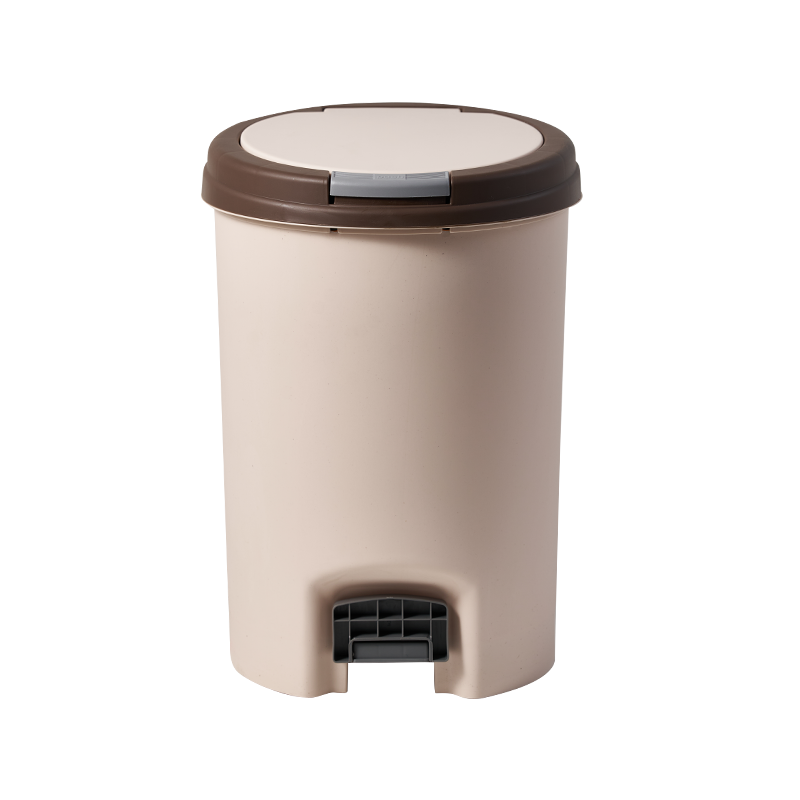
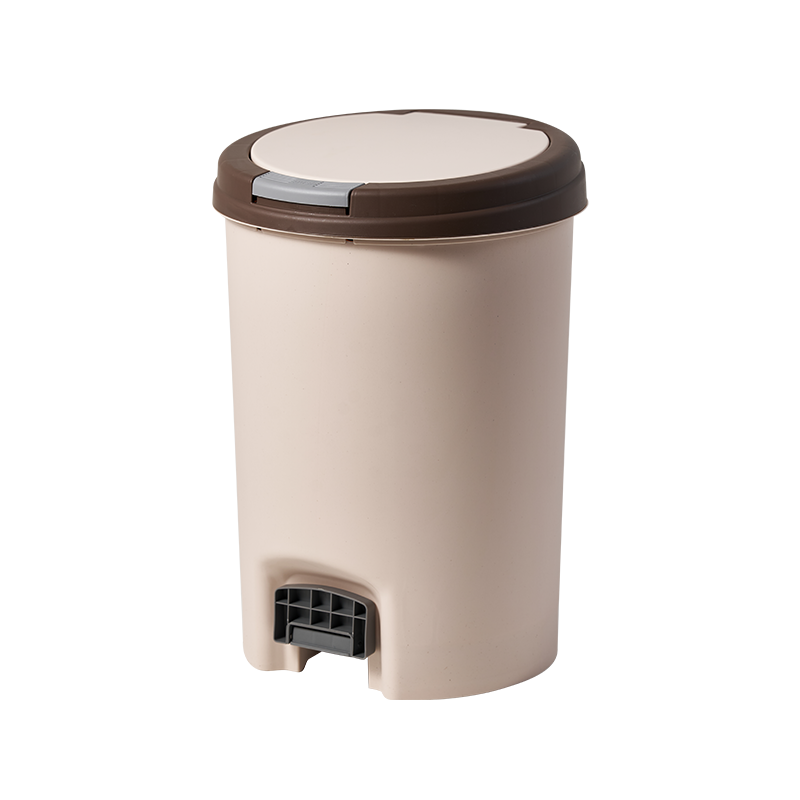
A Durable Round Trash Can that manages odors well combines several features. No single element does the whole job. Sealing keeps smells in. Materials resist absorbing odors. Ventilation handles pressure changes. Smooth surfaces remove residue before it becomes a problem.
Some observations about odor sources:
- Food waste generates stronger smells than paper or plastic
- Warm rooms speed up decomposition processes
- Moisture at the bottom makes everything worse
- The longer waste sits, the more odors build up
How Does Lid Design Contribute to Odor Containment?
The lid serves as the main barrier between waste and room air. A lid that fits poorly lets smells escape through gaps around the rim. Good lid design focuses on consistent sealing around the full opening.
Sealing methods vary. Some use a gasket or flexible lip that presses against the rim when closed. Others rely on precise fit that leaves minimal room for air to pass. Hinge design affects how well the lid keeps its seal over time. A hinge that wears unevenly can prevent the lid from closing fully on one side.
Flat lids and dome lids each have their own characteristics. Flat lids spread sealing pressure evenly around the rim. Dome lids add internal volume and may let gases expand before reaching the seal. The choice depends on other factors like overall size and how people use the container.
A few points about lid effectiveness:
- Rim fit must stay consistent all the way around
- Hinges need to survive thousands of openings
- Lid weight helps hold it down without extra parts
- Latches add security where extra sealing is needed
What Role Does Material Choice Play in Odor Resistance?
Materials interact with waste in different ways. Some absorb odor compounds and hold onto them. Others stay neutral and clean up easily. The difference becomes noticeable over weeks and months of use.
Non-porous surfaces resist odor absorption. Smooth plastics and coated metals do not allow odor compounds to penetrate below the surface. That means cleaning actually removes the source of smells. Absorbent materials can keep odors even after washing, making them less suitable for waste storage.
Waste produces various acids as it breaks down. Materials that degrade when exposed to these acids develop rough spots or discoloration. That degradation gives bacteria places to accumulate. Materials that resist chemical attack maintain their surface quality through years of regular use.
Things to consider about container materials:
- Hard plastics clean up more easily than softer ones
- Coated metal resists corrosion from wet waste
- Painted surfaces can chip and create rough areas
- Material with good chemical resistance stays cleaner longer
How Does Ventilation Design Affect Odor Spread?
Ventilation presents a puzzle for waste container designers. Some airflow helps equalize pressure inside, which prevents odors from being pushed out when the lid opens. But ventilation also provides a path for odors to escape continuously.
Well-designed ventilation manages this through controlled airflow. Small vents near the top allow some air exchange. When those vent paths include activated carbon filters, odors get trapped while air passes through. The carbon absorbs smell compounds before they reach the room.
Pressure differences inside matter. Warm waste creates rising air currents. Pressure builds. That pressure finds release through the easiest path. If the lid provides the easiest path, odors escape into the room. Controlled ventilation gives pressure a managed release path that includes filtration.
A few observations about vents and airflow:
- Vent size needs to balance airflow against odor escape
- Vent placement affects how air moves through the container
- Filter material determines what gets trapped
- Filters need changing regularly to keep working
Why Is Surface Texture Important for Odor Control?
Texture affects how waste residue sticks to container walls. Smooth surfaces let debris slide off during emptying. Rough surfaces trap particles and give bacteria places to attach and grow.
Bacteria find microscopic crevices on rough surfaces. Those crevices shield them from cleaning efforts. Over time, colonies establish themselves and produce metabolic byproducts. Those byproducts contribute to odors that get harder to remove.
Smooth surfaces reduce available attachment points for bacteria. Cleaning removes accumulated material more completely because nothing traps residue. The surface gets back to its original condition without hidden contamination.
Surface finish interacts with material choice:
- Some plastics mold naturally smooth
- Others need secondary processing to achieve smoothness
- Manufacturing methods affect final surface quality
- Cleaning effectiveness follows from the surface finish
How Does the Shape Influence Cleaning and Maintenance?
Anyone who has cleaned a square trash can knows the frustration. Gunk gets pushed into the corners. You stick your hand in there with a sponge, but you cannot quite reach the spot where the two walls meet. Over time, that buildup hardens and turns into something that takes real effort to remove. Round containers avoid that problem entirely. A cloth follows the curved surface without interruption. No tight angles. No hidden spots where residue collects.
Emptying a round container works better too. Waste slides out without snagging on corners. No shaking and tilting to get everything out. Less handling time means the lid stays closed less, so fewer odors escape into the room.
Some designs taper slightly toward the bottom. That taper helps contents release cleanly. Other containers keep straight walls, and sticky waste tends to cling to them. The shape matters more than people realize when they are standing there trying to empty a full bag of wet kitchen scraps.
What Features Help Control Odor at the Bottom of the Can?
The bottom of any waste container sees the most moisture. Liquids from food waste drain down there. Condensation forms. That moisture creates conditions where bacteria thrive, and bacterial activity produces smells.
A raised bottom makes a difference. When air can circulate underneath, the surface stays drier. Small feet or a raised rim lifts the container off the floor and allows that airflow. It is a simple feature that helps keep things from getting too bad down there.
Some designs include small channels or raised ridges inside the bottom. These keep the container base from sitting in pooled moisture. A removable tray that catches liquids works well too—pull it out, wash it, put it back.
Removable inner liners make bottom cleaning far easier. Pull the liner out and you can reach every part of the interior. No awkward angles. No struggling to get your hand to the bottom of a deep container. Liners that fit snugly against the walls keep waste from getting trapped between the liner and the container.
How Do Handle and Grip Features Affect Odor Management?
Handles change how people interact with a trash can. A handle that feels comfortable encourages regular emptying. One that is awkward to grip may lead to procrastination, and the longer waste sits, the more odors build up.
Handle material matters too. Handles get touched all the time—hands carry bacteria, and those bacteria transfer to the handle surface. Handles that clean easily reduce the spread of germs and the buildup of grime.
Some handles attach through openings in the container body. Those openings create potential escape paths for odors. Handles integrated into the body without penetrations seal more effectively. It is a small detail, but over time, it makes a difference.
Ergonomics ties into odor management in a roundabout way. A container that is easy to lift and carry gets emptied more regularly. More frequent emptying means waste spends less time decomposing inside, which directly affects how much odor builds up.
What Add-On Design Elements Enhance Odor Control?
Carbon filter compartments built into the container provide a proven approach to odor management. The carbon traps odor molecules as air passes through. The filters do not last forever—they need replacing once the carbon becomes saturated.
Deodorant dispersion features release scent into the container. These are usually built into the lid or the body. Scent masks odors, but it does not remove the underlying source. Some users prefer this approach, others find it just covers up a problem that still exists.
Modular attachment points give users options. A ring or slot that holds a deodorizing insert lets people choose what works for them. Accessories can be swapped out or updated without replacing the whole container.
Interchangeable components offer flexibility for different situations. A lid with more filtration for food waste, a simpler lid for recycling. Switching parts lets the container adapt to changing needs over time.
| Feature | How It Works | Where Installed | Maintenance Needed |
|---|---|---|---|
| Carbon filter compartment | Traps odor molecules in activated carbon | Near vent opening or lid | Filter replacement periodically |
| Deodorant dispenser | Releases scent to mask odors | Lid interior or side wall | Refill deodorant as it runs out |
| Modular accessory ring | Allows attachment of various odor-control units | Rim or exterior surface | Depends on accessory used |
| Interchangeable lid system | Different lids for different waste types | Lid attachment point | Clean and swap as needed |
How Do Maintenance Considerations Influence Odor Outcome?
Containers that come apart into fewer pieces are easier to clean thoroughly. Every joint and seam is a potential hiding place for residue. Fewer parts mean fewer places for odors to take hold.
Cleaning products should not damage the container surface. Materials that hold up to common cleaners maintain their non-porous finish. Harsh chemicals that break down surface smoothness create microscopic roughness—roughness that gives bacteria places to attach.
Seals wear out over time. The rubber or plastic that compresses against the lid loses elasticity with age and use. Replacing worn seals restores the original sealing performance. Containers that offer replacement parts for seals stay effective longer.
A Durable Round Trash Can that survives regular washing without degrading holds up better over years of use. Frequent cleaning is part of odor control, and a container that cannot handle regular scrubbing will eventually become a source of odors rather than a solution for them.
 Previous