English
 Español



Why Odor Becomes a Common Issue Around Outdoor Waste Storage
Odor around waste bins is something people notice quickly in daily life, especially in shared outdoor places like sidewalks, building entrances, parks, or community corners. An Outdoor Plastic Waste Bin is usually placed in these areas because waste has to be collected where people actually move. That convenience also brings a simple side effect: everything gets mixed in one place, and smell can slowly build up.
In real use, odor does not appear suddenly. It starts from small everyday actions. A food container is thrown in after a meal. Later, paper, packaging, or other items are added on top. Nothing seems unusual at first. But once different types of waste stay together in a closed space, changes begin inside the bin.
Outdoor conditions make this process easier to notice. Warm sunlight can heat the bin surface during the day. Moist air after rain can stay around the lid or base. Even simple things like how often the lid is opened can change how smell spreads in the surrounding area.
In daily environments, odor is usually linked to a few repeating situations:
- Food waste mixed with dry waste in the same bin
- Waste staying inside longer than expected
- Warm outdoor temperature during daytime hours
- Frequent opening during busy periods
- Moisture entering from rain or wet items
None of these are unusual. They are part of normal outdoor use. The issue comes from how often they happen together, especially in places where the bin is used many times a day.
What Happens Inside an Outdoor Plastic Waste Bin After Waste Is Placed
Once waste goes into an Outdoor Plastic Waste Bin, the inside environment starts changing quietly. Even if the outside looks clean and still, the inside becomes a closed space where air does not move freely.
In everyday life, it is easy to forget that the inside of a bin is always active in a small way. Food residue, liquid traces, and mixed packaging slowly affect each other. If a bin is used often, layers of waste build up throughout the day instead of being replaced immediately.
A simple real-life example is a bin in a busy street corner. In the morning, someone throws away food leftovers. Later, more waste is added on top. The lid is opened and closed many times during the day. Each time it opens, a small amount of air moves in and out, but most of the time the inside stays sealed.
Inside this closed space, a few things happen step by step:
- Air becomes trapped once the lid closes
- Moisture spreads from one item to another
- Warm weather increases internal temperature
- Smell starts forming slowly within the mixture
- Short air release happens each time the lid opens
What matters here is repetition. A single use does not create much change. But repeated use throughout the day creates a steady buildup inside the bin. In busy public areas, this cycle happens continuously, which is why smell becomes more noticeable at certain times.
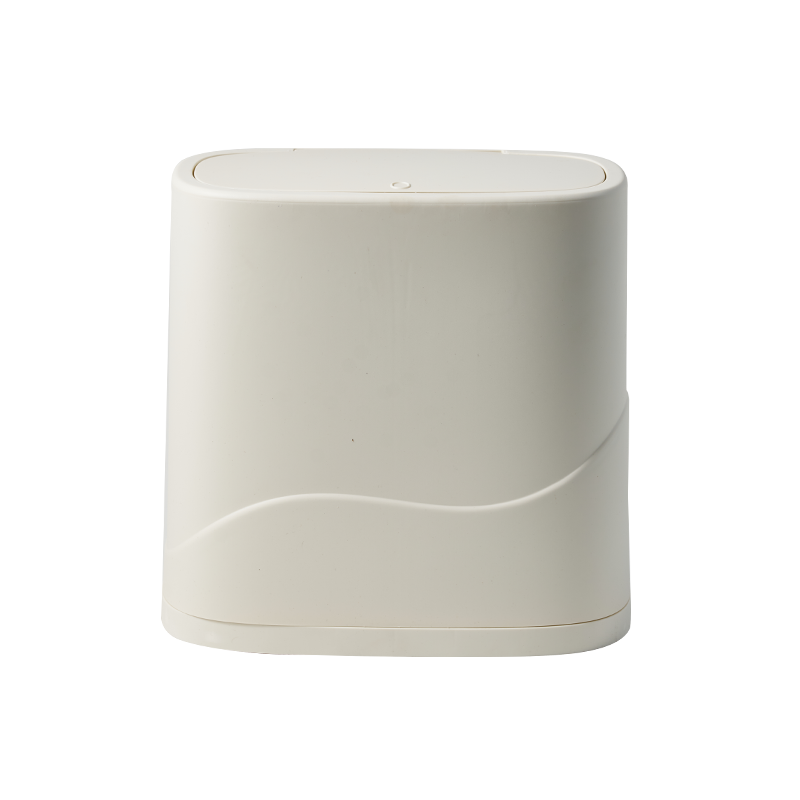
How Air Circulation Inside the Bin Affects Smell Accumulation
Air movement inside an Outdoor Plastic Waste Bin is very limited by design. The structure is made to contain waste securely, not to keep air flowing. This means once the lid is closed, the inside becomes a still space.
In real situations, most air exchange only happens when someone uses the bin. The lid opens, air moves briefly, and then everything closes again. It is a short moment of change followed by a long period of stillness.
A common example is a bin placed near a bus stop or walkway. People use it frequently, but each use is quick. Air inside the bin does not have enough time to fully refresh before the next cycle begins.
This creates a simple pattern:
- Long periods of still air inside the bin
- Short bursts of airflow during use
- Gradual buildup of smell between openings
- Sudden release when the lid opens
Temperature makes this more noticeable. Warm air inside the bin tends to move more easily when the lid opens. Cooler air slows movement, but does not remove the buildup. Over time, the difference becomes noticeable in how strong the smell feels when the bin is used.
Some design differences also influence this behavior. Bins with tighter edges hold air more firmly inside. Others may allow very small gaps, where air slowly escapes even when the lid is closed. In real environments, this difference can affect how often smell is noticed around the bin area.
Why Lid Design Plays a Direct Role in Odor Control
The lid is the main connection between the inside and outside of an Outdoor Plastic Waste Bin. It is opened many times during the day, often without thinking. But every opening and closing affects how air and smell move.
In real use, the lid is not just a cover. It acts like a control point. When it fits tightly, the inside stays more contained. When it does not close fully, air can slowly move out even without opening.
Over time, lid behavior can change slightly due to repeated use. This is especially noticeable in busy areas where the bin is used many times each day.
Common real-life factors include:
- Lid not closing evenly after repeated use
- Small gaps forming at contact edges
- Frequent opening during peak hours
- Pressure changes when lid is pushed or dropped
- Wear at hinge or contact points
A simple comparison helps show how this affects odor in daily spaces:
| Lid Condition | What Happens in Daily Use | Smell Behavior in Surroundings |
|---|---|---|
| Tight closing lid | Air stays contained until use | Smell mainly released during opening |
| Slight edge gap | Slow air movement outside | Mild odor around bin area |
| Frequent opening use | Repeated air exchange | Smell appears during busy periods |
| Loose closing after wear | Uneven sealing over time | More noticeable odor spread |
In real environments like parks or residential corners, lid condition often becomes more important over time than the bin body itself, because it controls how often internal air escapes into open space.
How Material Surface Properties Influence Odor Retention
Inside the bin, the surface is in constant contact with different types of waste. Some are dry, some are wet, and some leave small residues behind. Over time, this contact affects how smell behaves inside the container.
A smooth inner surface usually allows waste to move down more easily. It is also easier to clean after use. If the surface has more texture, small particles may stay in tiny uneven areas, especially after liquid waste is involved.
In daily environments, this difference can be seen in simple ways:
- Residue staying near the bottom after liquid waste disposal
- Smell remaining after basic cleaning
- Faster buildup in rough or uneven inner areas
- Easier wiping on smoother surfaces
- Hard-to-reach corners holding moisture longer
Cleaning habits also play a role. In outdoor use, bins are often cleaned on a schedule rather than after each use. If residue is left behind even in small amounts, it can slowly build up over time.
This buildup does not happen in one step. It develops through repeated daily use, especially in places where waste is added continuously.
Why Moisture Management Inside the Bin Matters for Odor Control
Moisture is one of those things that often goes unnoticed at first, but inside an Outdoor Plastic Waste Bin it quietly changes how smell develops. It is not always about rainwater. In daily situations, moisture comes from many small sources that people rarely think about.
A leaking food container, a wet plastic bag, leftovers with liquid, or even water left after cleaning can all create damp areas inside the bin. Once that moisture stays inside a closed space, it does not dry quickly. The lid limits airflow, and the inside remains still for long periods.
A simple real-life example is a bin placed near a residential building or outdoor seating area. After a meal period, different types of waste go in one after another. Some items are dry, others are not fully sealed. Over time, moisture gathers at the bottom without being noticed.
Common ways moisture appears in daily use include:
- Liquid slowly leaking from tied or loose waste bags
- Rainwater entering when the lid is opened during use
- Surfaces staying wet after quick cleaning
- Small condensation forming when temperatures shift
- Damp waste thrown in without full sealing
Once moisture is inside, it does not stay still. It spreads into nearby waste and keeps the inner space damp for longer. That is when smell becomes easier to notice, especially when the lid is opened after some time has passed.
In practice, odor control is often less about the waste itself and more about how long moisture is allowed to stay inside the container.
How Temperature Changes Accelerate or Slow Down Odor Formation
Temperature is another factor that affects smell inside an Outdoor Plastic Waste Bin, although it works in a quiet and gradual way. The inside of the bin does not stay at a fixed temperature. It follows the environment outside, rising and falling throughout the day.
When it is warm outside, the inside warms up as well. This speeds up how quickly waste breaks down, especially when moisture is already present. Smell becomes more noticeable in these conditions because warm air carries odor more easily when the lid is opened.
In daily outdoor settings, this can often be felt in simple ways:
- Early morning air feels relatively neutral
- Midday heat makes odor more noticeable
- Evening temperatures reduce how far smell spreads
- Shaded bins stay more stable throughout the day
A bin placed in direct sunlight behaves differently from one placed near shade or a wall. The sun-exposed bin heats up faster and cools down faster, which creates stronger shifts during the day. These shifts affect how smell is released when the lid is used.
The bin itself responds in a simple cycle. It absorbs heat during the day and releases it slowly later.
Why Some Outdoor Plastic Waste Bin Locations Need Stronger Odor Control
Where a bin is placed outdoors makes a noticeable difference in how odor develops. Even if two bins are identical, their environment can lead to very different experiences.
In busy public areas, waste is added frequently. The bin rarely gets time to settle. New waste is placed on top of older layers, and the inside environment keeps changing throughout the day. In quieter locations, waste may sit longer before collection, which creates a different type of buildup.
Real-world placement differences often look like this:
- Busy walkways with continuous use throughout the day
- Outdoor eating areas where food waste is common
- Residential corners with mixed household disposal
- Parks where natural debris mixes with daily waste
- Semi-closed areas where airflow is limited
For example, bins near outdoor food spots tend to receive waste that already contains moisture and organic residue. This increases the chance of smell forming faster. On the other hand, bins in low-traffic areas may not be filled quickly, but waste inside stays longer before being emptied.
Air movement also changes everything. Open windy areas can carry smell away more quickly, while narrow or enclosed outdoor corners tend to hold odor closer to the bin.
Because of these differences, odor control is not equally important everywhere in the same way. It depends heavily on how the space is actually used day to day.
What Structural Design Features Help Reduce Odor Leakage
Odor control is not only about what happens inside the bin. The way an Outdoor Plastic Waste Bin is built also influences how smell moves between inside and outside.
In real use, several structural details affect odor behavior:
- How tightly the lid meets the rim
- Whether edges form small air gaps over time
- The shape of the internal space and airflow path
- Base design that limits moisture buildup
- Smooth inner walls that reduce residue sticking
How Cleaning Habits Influence Long-Term Odor Control Performance
Even with good structure and careful design, cleaning habits play a large role in how odor develops over time. In outdoor environments, bins are exposed all day, so small residues can build up slowly if not cleaned regularly.
Cleaning in real situations is usually simple. It is not always deep washing. Often it is part of routine maintenance, done at set times rather than immediately after use.
Common cleaning actions include:
- Rinsing inner surfaces to remove leftover residue
- Washing areas where liquid waste may collect
- Cleaning lid edges that get frequent contact
- Removing moisture from the base after rain
- Checking corners where buildup tends to stay
If cleaning is delayed, thin layers of residue can remain inside the bin. These layers are not always visible, but they hold moisture and make it easier for odor to develop over time.
In busy outdoor spaces, cleaning is usually scheduled. That means prevention matters more than reaction. Keeping buildup from forming is easier than trying to remove it later.
Over time, odor control becomes a balance between structure, environment, and daily care. None of these works alone. They all influence each other quietly in everyday use.
 Previous