English
 Español



Wind in outdoor space rarely behaves in a clean pattern. It comes and goes in uneven timing. Sometimes only a light push is felt, then nothing for a while, then a sudden movement again.
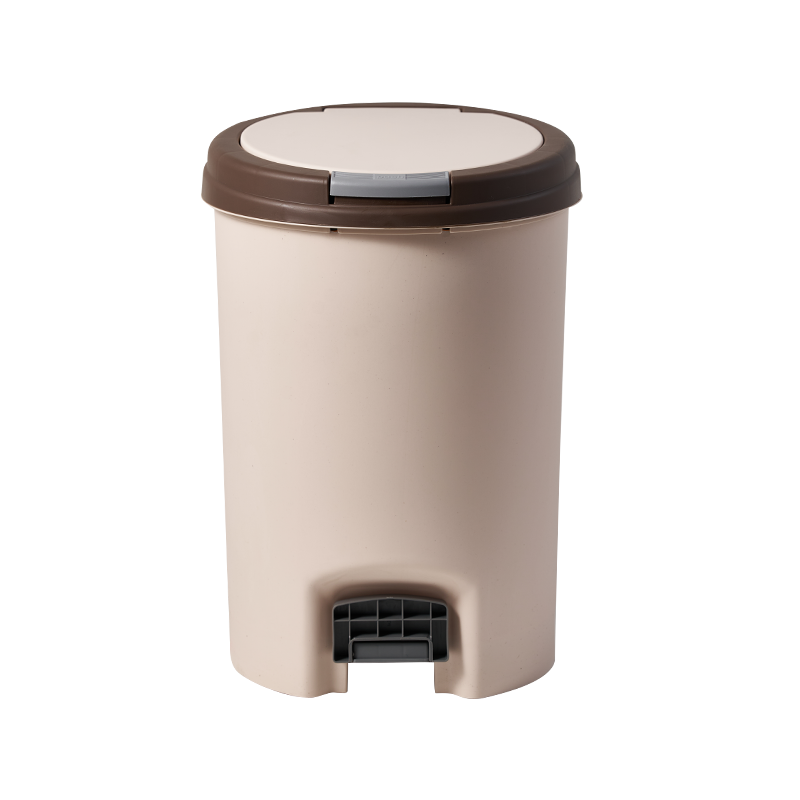
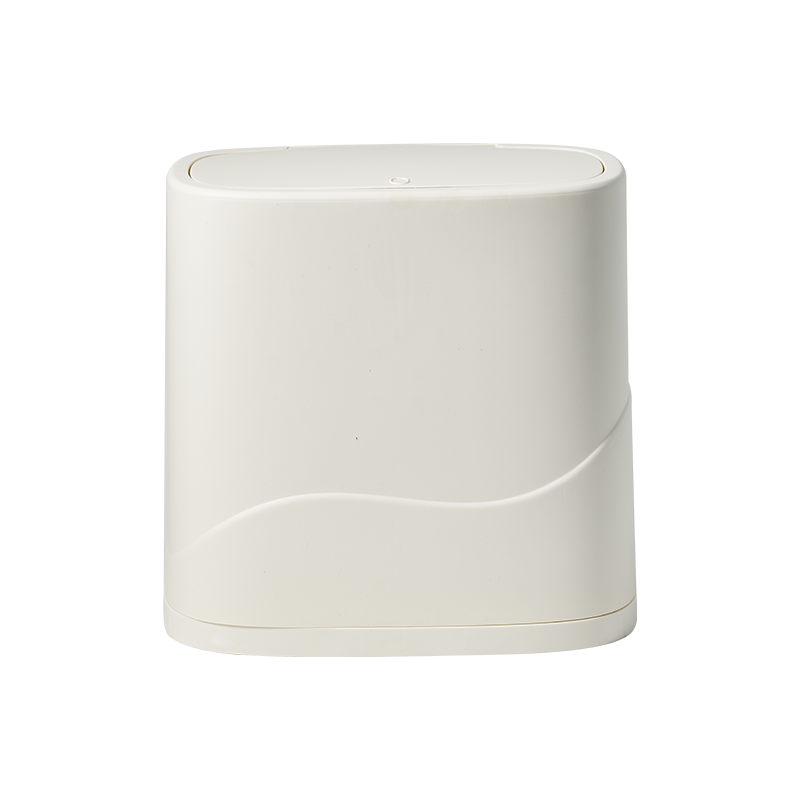
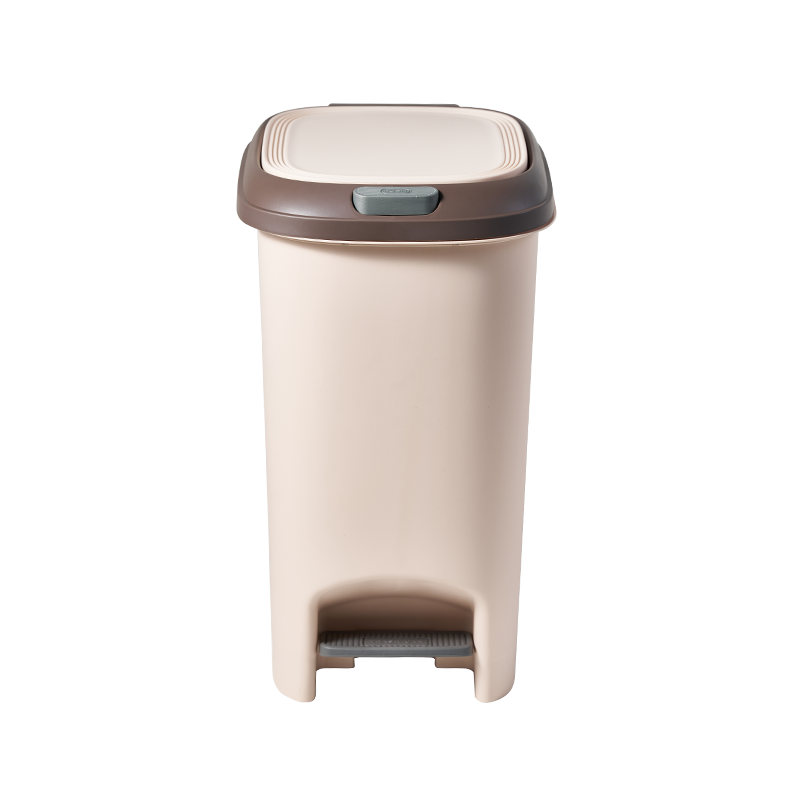
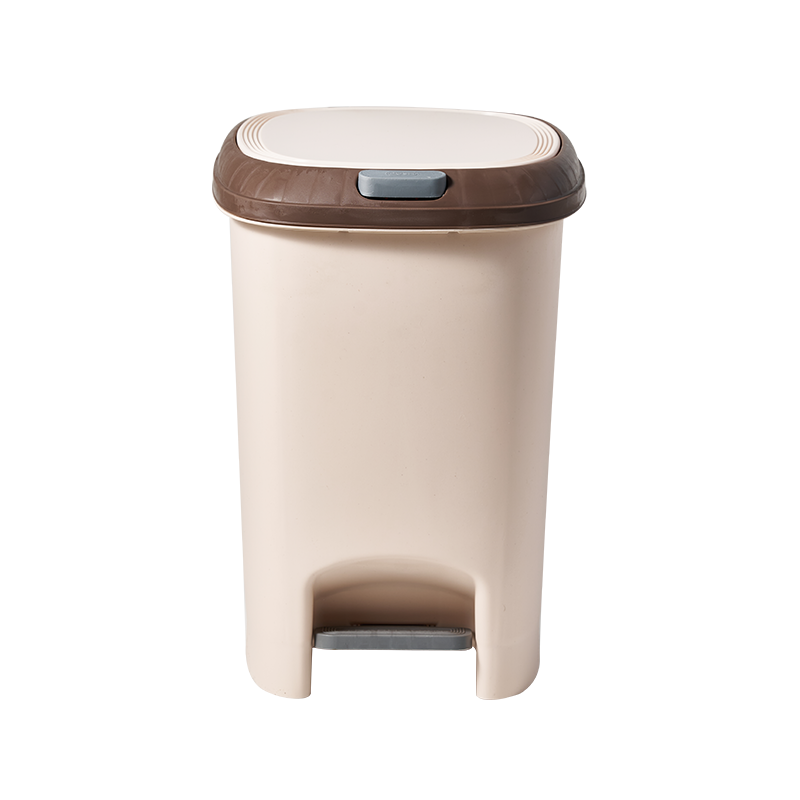
Outdoor Plastic Waste Bin often stays in places where there is no barrier around it. In those spots, even weak airflow can start small movement at the base.
On site, what usually gets noticed is not dramatic motion. It is small changes that repeat:
- bin slightly shifting after a few gusts
- lid reacting earlier than the body
- slow drifting on smooth surface
- small twist when wind direction changes
Nothing looks serious at one glance, yet position slowly changes during the day.
What Factors Influence Stability of Outdoor Plastic Waste Bin in Wind
Stability feels simple, but in real use it depends on several conditions happening together.
What usually affects movement:
- how the weight sits at the bottom
- how much ground is actually touching the bin
- shape facing the wind direction
- how full or empty the bin is
- how open the surrounding space feels
When base contact feels light, even weak airflow can start sliding. When weight is uneven, movement does not stay straight, it turns slightly.
Outdoor Plastic Waste Bin does not react the same way in every place. Small differences in setup already change behavior.
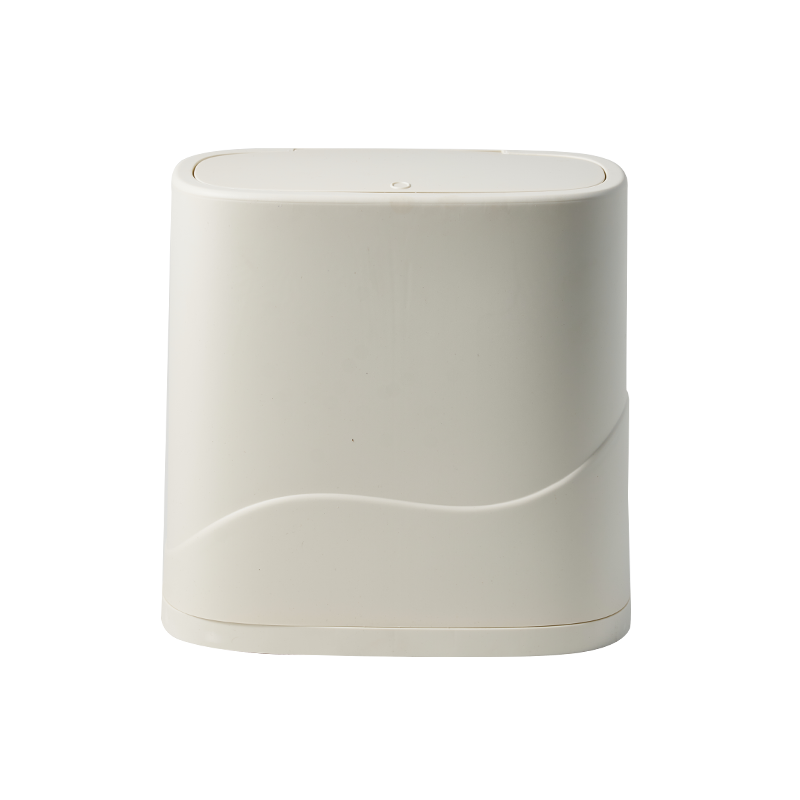
How Wind Interacts With Outdoor Plastic Waste Bin Structure
Air does not hit a surface in a straight block. It bends, spreads, and comes back together after passing around objects.
When wind reaches the bin:
- front side gets a direct push
- edges feel sliding air movement
- back side sometimes feels a pull effect
- top area reacts more when wind lifts slightly
On ground level, air can move differently compared to higher positions. That difference sometimes creates a short tilt before the bin settles again.
In practice, the shape of Outdoor Plastic Waste Bin becomes part of how air moves around it, not just something standing against wind.
Why Placement Location Affects Stability in Outdoor Conditions
Location changes everything more than expected. The same bin behaves differently depending on where it stands.
In open ground, wind moves without interruption. There is no object slowing it down. Movement feels more direct.
Near buildings or corners, airflow changes direction more often. It does not stay smooth. It curls and shifts.
Common situations seen in outdoor areas:
- wide open walkways with constant exposure
- edge zones near walls where air turns
- covered paths where wind weakens then returns
- mixed areas with uneven airflow
Corners are especially unstable. Air turns around surfaces and comes back from different angles. That makes movement less predictable.
Outdoor Plastic Waste Bin placed in those spots often shows small repeated shifts instead of one clear push.
How Ground Conditions Influence Outdoor Plastic Waste Bin Stability
Ground contact is easy to ignore, yet it changes how movement starts.
When surface is rough, bin tends to stay in place longer. Friction holds it down. When surface is smooth, movement begins earlier.
Different ground situations:
- rough concrete slows sliding
- smooth tiles allow easier movement
- damp ground reduces grip
- uneven surface shifts balance slightly
Even a small tilt is enough to change direction over time when wind keeps pushing from one side.
So stability is not only about wind. It is also about how the bottom interacts with the surface.
What Role Does Bin Shape Play in Wind Resistance
Shape decides how air behaves after touching the surface.
Some forms let air move around smoothly. Some create pressure that stays on one side longer.
| Condition | What Is Seen | Interpretation |
|---|---|---|
| Light airflow | Small lid movement | Surface response only |
| Moderate gusts | Slight base shift | Ground interaction involved |
| Repeated bursts | Gradual displacement | Accumulated force effect |
| Open exposure | Irregular movement | Unstable airflow pattern |
Outdoor Plastic Waste Bin shape changes how force spreads. It does not only resist wind, it guides it.
How Empty and Filled Conditions Change Stability
Inside condition changes behavior more than expected.
When empty, bin feels light. Wind does not need much effort to move it. Lid reacts quickly and sometimes before the body shifts.
When partially filled, things change. Weight helps hold it down, yet uneven filling can pull one side more than the other.
When more evenly filled, movement slows down. Base pressure increases and sliding becomes less frequent.
What is usually seen:
- empty state moves quickly under weak airflow
- uneven fill causes slight tilt during gusts
- balanced fill keeps position more steady
Waste Bin is not fixed in behavior. It changes depending on how it is used during the day.
How Wind Feels Around Waste Bin in Real Spots
Wind near the ground never really behaves in a straight way. Standing next to an Outdoor Plastic Waste Bin, what can be felt is not one clean push, more like uneven touches coming and going.
Sometimes air passes without much effect. Then a short shift comes from the side. A moment later, direction changes again. The bin stays still for a while, then a small nudge shows up at the base.
In open space, these changes are easier to notice. Nothing blocks the airflow, so movement feels more direct. In places near walls or corners, the air seems to turn before reaching the bin. That turning motion makes pressure feel less predictable.
When Several Waste Bins Are Placed Together
When more than one bin stands in the same area, wind does not pass through cleanly. It meets one object, slows a bit, then moves around it and hits another.
In those situations, one bin might stay quiet while another shifts slightly. The spacing between them changes how air flows. Tight spacing creates narrow channels where wind speeds up for a short moment. Wider spacing lets air spread out more.
What usually happens is not uniform. Each bin reacts in its own way depending on position. Even a small change in placement can make a difference in how often movement shows up.
What Stronger Wind Bursts Do to Outdoor Plastic Waste Bin
Short wind bursts feel different from steady airflow. They arrive quickly, push against surfaces, and disappear almost at the same pace.
When that happens, the bin may move just a little, not far, just enough to notice a shift. The lid usually reacts before the body does, especially when it is light or not fully closed.
After the burst passes, motion does not always stop immediately. Sometimes a slight slide continues before friction slows it down again. It feels more like a short delay than a full stop.
In exposed areas, this kind of reaction shows up more often. In sheltered spots, it happens less, though still appears from time to time.
How Long Exposure Slowly Changes How the Bin Behaves
With time, outdoor conditions leave small signs on the bin. Nothing sudden. More like slow changes that appear only after repeated use.
The bottom surface may start to feel smoother in some areas. The lid might not react in exactly the same way as before. Movement after wind pressure can feel slightly different compared to earlier days.
These changes are not dramatic. They build quietly. Waste Bin behavior shifts little by little depending on how often it stays in wind and how it sits on the ground.
What Can Be Noticed When Watching It Over Time
In daily use, the bin is not constantly moving. Most of the time it stays still. Movement shows up only when wind direction changes or when a short burst passes through.
Sometimes it shifts a few centimeters and stops. Sometimes nothing happens for hours. Then a small change appears again without a clear reason at first glance.
What stands out more is repetition. Not a single movement, but the same kind of small shift happening again and again under similar conditions.
How Different Places Make Different Behavior
Where the bin stands changes everything.
In open ground, wind comes without interruption. Movement feels more direct, sometimes stronger. Near buildings, air bends and comes back from different angles. That creates uneven pressure, not a straight push.
In narrow passages, airflow can feel weak in one moment and slightly stronger a few steps away. The same bin behaves differently depending on where it is placed, even when nothing else changes.
Waste Bin does not respond the same everywhere. Location changes how wind reaches it, and that changes movement.
How Ground Contact Changes Small Movements
The ground underneath plays a quiet role. It does not move, yet it decides how easily the bin shifts.
On rough surfaces, the bin tends to stay where it is longer. On smoother ground, movement starts earlier when wind pushes. If the ground is slightly damp, the grip changes again and behavior becomes less consistent.
Sometimes wind alone does not explain movement. The same airflow feels different depending on how the base sits on the surface.
What It Feels Like During Normal Use
In everyday conditions, the bin does not feel unstable. Most of the time, nothing happens. Only when wind changes direction does movement show up.
It might be a small tilt, or a slight slide, or just the lid reacting first. Nothing continuous. More like scattered moments throughout the day.
Over time, these small moments create a pattern that can be recognized without looking for it too hard.
Looking at Outdoor Plastic Waste Bin in windy places gives a simple impression. Nothing is fixed in behavior. Everything depends on how air moves at that moment, how the ground holds it, and how the surroundings guide the wind.
Movement is not constant. It appears in small steps, stops, then appears again. Watching it long enough, these small changes start to make sense as a repeating pattern rather than random motion.
 Previous