English
 Español




The opening is the part people use most, yet it is rarely examined. A narrow or awkwardly placed opening forces users to tilt items, hold the lid up, or push packaging through a tight gap. One such moment is minor. Repeated all day, it becomes a real annoyance.
The Opening on a White Plastic Trash Bin
Opening design should follow the waste. A kitchen bin takes food packaging, paper towels, and bulky wrappers. An office bin mostly receives paper, cups, and small packaging. The two do not need the same shape.
- Width: common items should drop in without repeated adjustment.
- Shape: a wide rectangular opening handles large packaging, while a smaller round one suits everyday scraps.
- Edges: smooth edges are comfortable to use and easy to wipe.
- Height: users should reach the opening without bending or stretching.
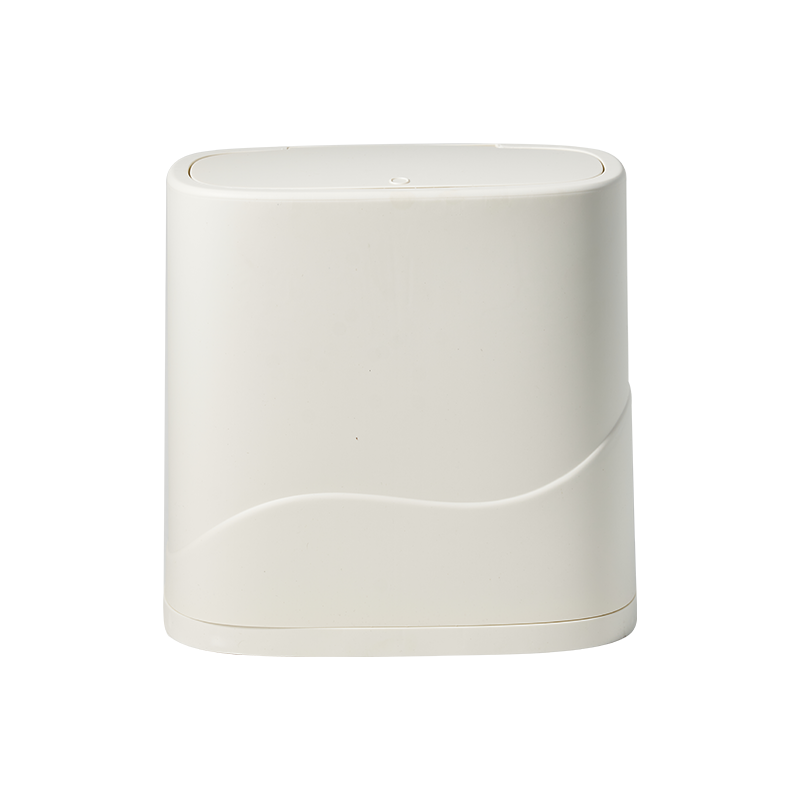
A White Plastic Trash Bin appeals through its clean look and ease of fitting into indoor spaces. Color should not outweigh function, though. A wide opening above a narrow body can also cause trouble, since waste catches near the top instead of falling into the container.
Lid Design and Everyday Convenience
Many buyers check only whether a lid exists. How it opens, closes, and behaves over months matters more.
A removable lid is simple and makes emptying easy. A flip lid lets users dispose of waste without lifting the whole cover. A swing lid gives quick access but may not suit every type of rubbish or cleaning routine. The right choice follows placement. A bedroom bin needs little mechanism. A kitchen bin benefits from a lid that opens without two hands. A shared office favors a design nobody has to puzzle over.
Closing matters as much as opening. A lid that drops fast makes noise, and one that sits loosely leaves waste exposed or shifts during use. The cover should seat securely without making cleaning difficult, and its edges should not form gaps where grime collects.
Pedal Mechanisms on a Plastic Trash Bin with Pedal
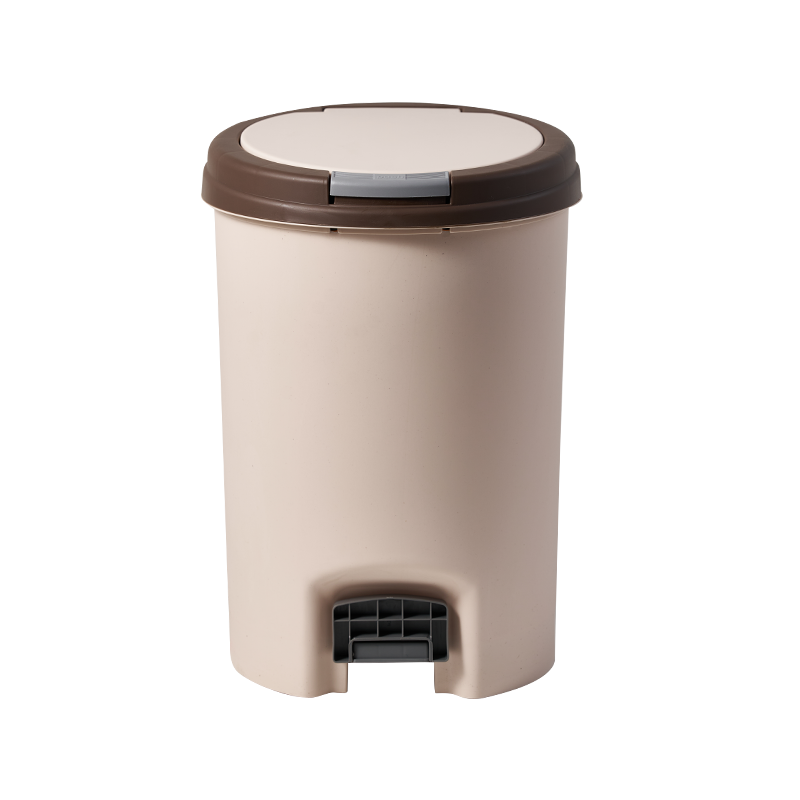
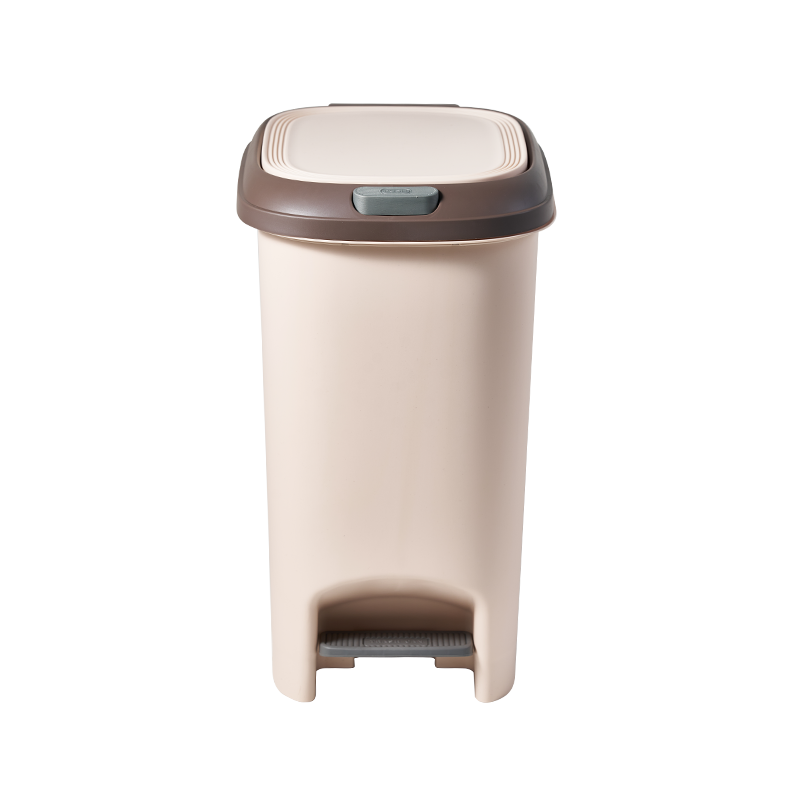
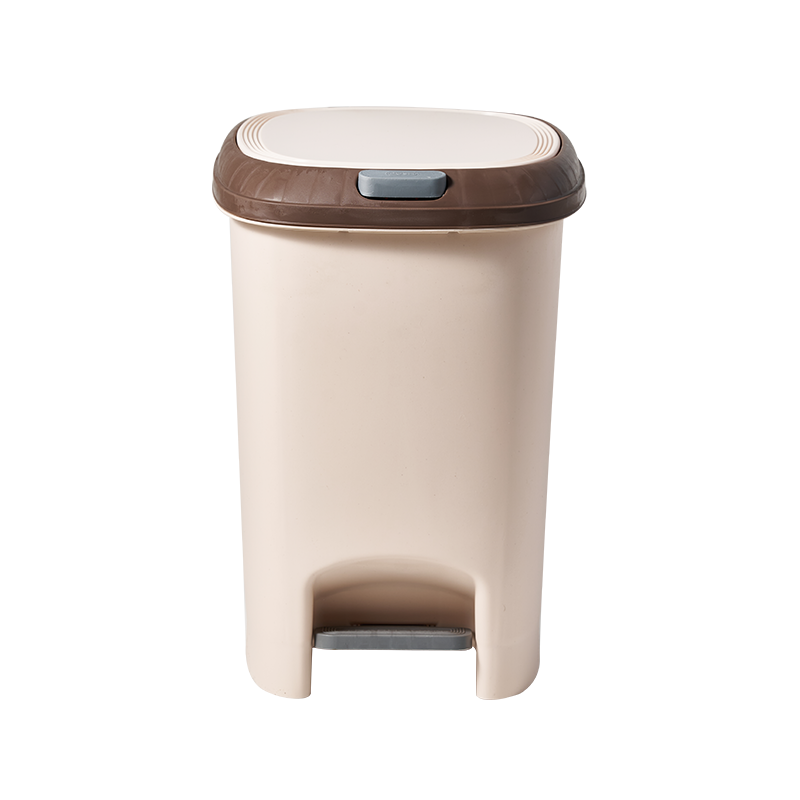
Hands-free operation helps in kitchens, bathrooms, and shared spaces where touching a lid is unappealing. A Plastic Trash Bin with Pedal is a common choice for that reason. A pedal does not guarantee convenience, however. Its position, travel, and link to the lid decide how it feels.
A pedal tucked against a wall or under a cabinet edge is hard to find. One that needs an awkward foot angle gets tiresome. The lid should respond smoothly, neither stiff nor slamming shut.
- Position: the pedal should be reachable from a normal standing stance.
- Movement: it should move without strong effort.
- Lid response: opening and closing should feel consistent.
- Base stability: the bin should stay put when the pedal is pressed.
- Cleaning access: the pedal area should not trap dust and dirt.
Floor type plays a part. On smooth tile, a bin with a poor grip slides away from the foot. Moving parts also gather dust, so a design that lets users inspect and clean the pedal area is easier to keep in good order.
Inner Structure and Liner Fit
Exteriors get the attention, but the interior decides how easy the bin is to live with. Smooth walls are simple to wipe. Molded ribs, sharp corners, and narrow gaps hold liquid residue and small scraps. Rounded internal corners make cleaning quicker.
Liner retention is a frequent annoyance. A bag that slips into the container when waste is added must be pulled up again, sometimes with a mess. Inner rings, fitted rims, and removable inner buckets each solve this differently.
Check whether the liner fits without a struggle, stays in place during normal use, and whether the inner surface wipes clean. Look for corners that collect residue and removable parts that come out easily. These points matter most in kitchens and bathrooms, where damp waste is common.
Shape, Base, and Placement
Shape decides where a bin can stand and how much it actually holds. A rectangular body fits beside a cabinet or against a wall. A round one sits easily in an open corner. A slim container suits a narrow bathroom or hallway.
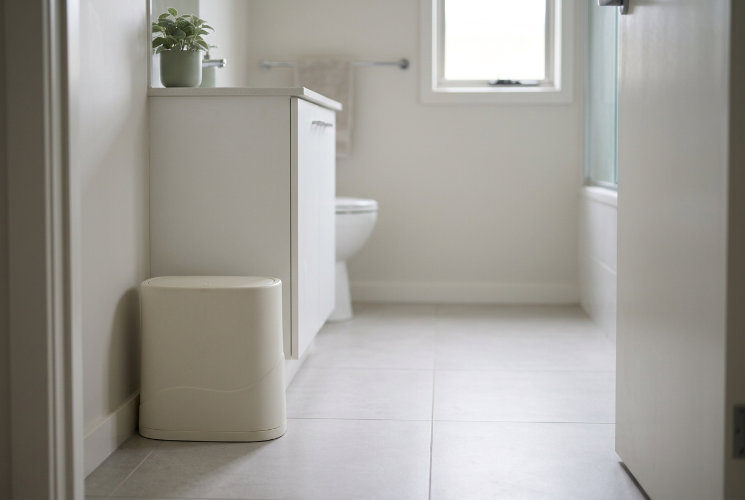
Outer size can mislead. Thick walls or an interior that narrows toward the bottom reduce usable space. A small base makes a bin tip more easily when bulky items go in or a pedal is pressed, while a broad base helps stability, along with weight distribution. Sharp outer edges collect dust where surfaces meet.
Before buying, check the room. Confirm that the lid opens fully, the opening is within easy reach, and the bin does not block a walkway or cabinet door.
Waste Sorting and a Plastic Bottle Trash Bin
Sorting is routine in many homes, offices, and public buildings, but bin design often makes it harder than necessary. A mixed-waste bin and a recycling bin have different needs, and users should recognize which is which without guessing. Labels, colors, and separate openings all help.
A Plastic Bottle Trash Bin shows how waste type shapes design. Bottles are bulky and rigid, so the opening has to be wide enough to let them in without jamming. For a bin meant for one material, the opening should also discourage unrelated rubbish.
Shared spaces need clear communication. Visitors may not know local sorting rules, so simple wording and familiar symbols help. When several bins stand together, labels and openings should be easy to tell apart, because similar-looking containers invite mistakes. People follow a system when the correct action is obvious.
Material and Surface Finish
Material choice affects cleaning and handling as much as looks. Plastic molds into many shapes, comes in many colors, and is easy to handle. Surface finish still varies. A textured finish hides scratches but its grooves make wiping harder. A smooth finish wipes clean easily, though marks show more.
Light colors reveal dirt quickly, which can prompt more frequent cleaning. Dark surfaces hide some marks but still need care. A White Plastic Trash Bin suits bright kitchens, bathrooms, and offices, and its neutral tone coordinates easily. Examine the finish, lid fit, and interior before deciding, instead of relying on color.
The environment matters too. An outdoor bin faces sun, rain, and temperature swings, and a kitchen bin meets food residue and cleaning products. Seams, joints, and molded edges also deserve a look, since dirt settles around rough finishing.
Evaluating a Bin Beyond Its Photographs
Pictures show color and shape, not daily behavior. Begin with location. A kitchen needs a lid and a convenient opening, a bathroom needs a compact footprint, and an office values easy access. Think about users too. Children, older adults, office staff, and cleaners have different needs, so a pedal may suit some and a removable lid others.
| Area | What to Check | Why It Matters |
|---|---|---|
| Opening | Width, shape, reach | Easier disposal |
| Lid | Fit and movement | Convenient daily use |
| Pedal | Position and feel | Less contact with the lid |
| Inner structure | Smooth walls, liner support | Easier cleaning and bag changes |
| Base | Stability on the floor | Prevents sliding or tipping |
| Exterior | Shape and finish | Suits placement and care |
| Waste type | Intended material, opening size | Matches bin to purpose |
Capacity should not be judged by advertised volume alone. A large bin is awkward in a narrow room, and a small one needs constant emptying in a busy shared area. In commercial settings, many people use the same container, so a design that is easy to empty, wipe, and reposition saves staff time. A White Plastic Trash Bin, a Plastic Bottle Trash Bin, or a Plastic Trash Bin with Pedal performs well when the opening, lid, interior, base, and finish all suit the place and the people using it.
 Previous