English
 Español



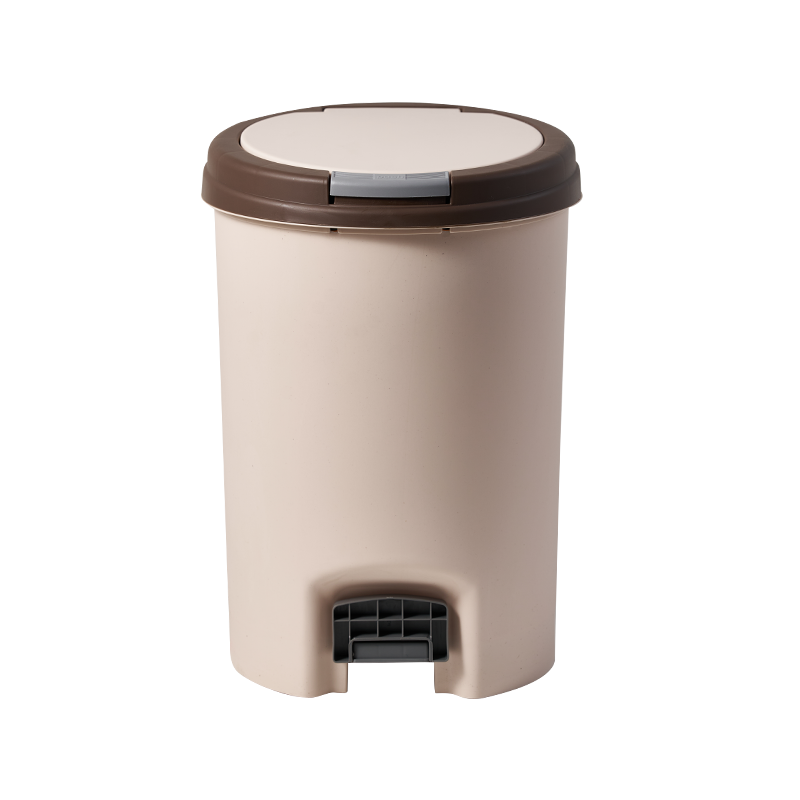
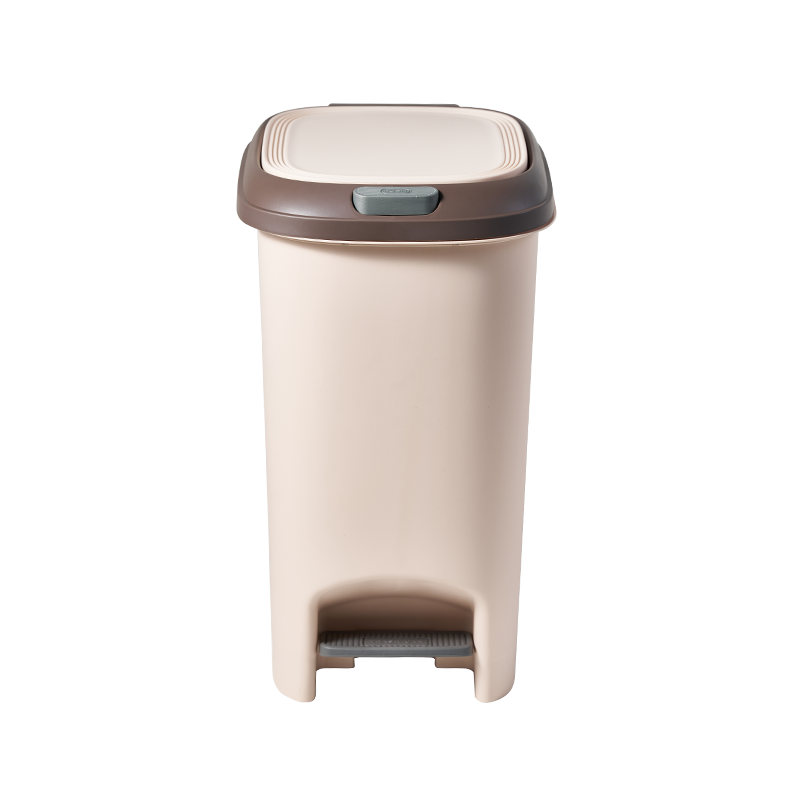
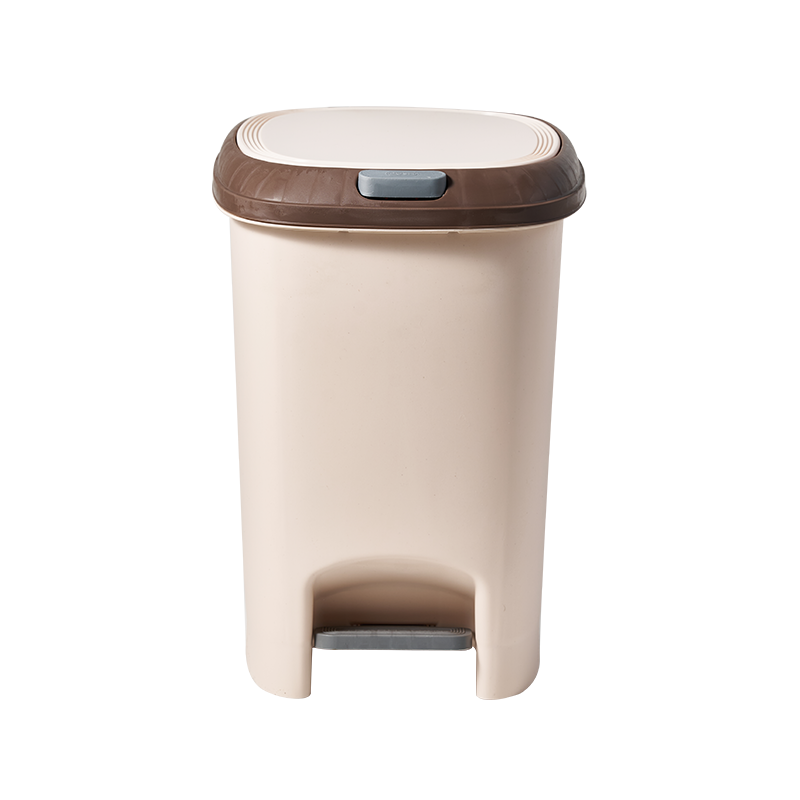
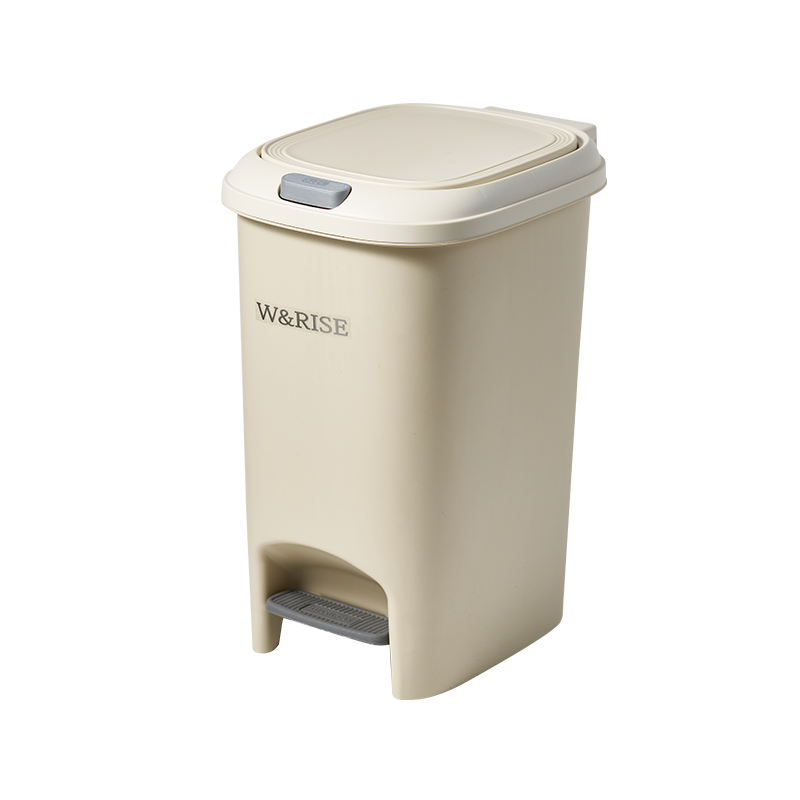
A foot pedal sits at the base, a lid rests on top, and a mechanism inside connects the two. Press down on the pedal with the foot, and a rod pushes upward against the lid. The lid lifts, opening the bin for use. Release the pedal, and the spring pulls the lid closed again.
The mechanical linkage runs through the base of the container, protected from the contents above. The pedal itself extends out from the bottom edge, positioned so the user can step on it without getting too close to the bin. The lid hinges at the back or the side, swinging open smoothly when activated.
Plastic forms the primary material for the body. The material keeps the bin light enough to move for cleaning. The plastic surfaces do not absorb moisture or odours from the contents. The bin stands stable on the floor when placed on a flat surface, with the weight distributed through the base.
How Does the Pedal Mechanism Support Hands-Free Use
Pressing the foot pedal opens the bin, and the hands stay free throughout the process. The user does not need to grasp the lid, touch the rim, or steady the container with a hand. The foot does the work, leaving the hands available for carrying waste or other tasks.
The bin gets used multiple times throughout the day in many households. Each use adds a small amount of contact between the user and the bin, but that contact happens only at the pedal. The lid remains untouched. The rim stays clean. The shared touch points reduce the movement of germs between users.
The pedal design also supports users whose hands are full. A stack of plates, an armful of packaging, or other items can be carried while the lid still opens. The waste goes into the bin without setting anything down first. The convenience encourages proper disposal rather than leaving waste on counters or tables.
Why Does a Closed Lid Help Maintain Cleanliness
An open bin has no barrier between waste and the room. Odours drift out. Flies and insects fly in. The contents stay visible, and waste particles can escape when items get dropped in from a height.
The lid provides a barrier. The spring return ensures the lid closes after every use without requiring any action from the user. The mechanism works automatically, so the lid never stays open accidentally.
A few ways the lid helps keep the area clean:
- Trapping odours from food scraps and other organic waste
- Blocking access to flies and other pests
- Keeping the contents hidden from view
- Reducing the escape of particles when waste gets dropped in
What Materials and Construction Support Daily Use
Plastic offers qualities that suit a waste bin used in wet or busy environments. The material stands up to moisture from damp waste. It does not rust or corrode like metal can over time. Cleaning products, whether mild or stronger, do not damage the surfaces.
The round shape improves stability under use. A Durable Round Trash Can design balances the weight evenly around the base. When the foot pedal gets pressed, the bin stays in place rather than tipping forward. The shape also fits neatly into corners, making the bin easy to position against walls.
Construction quality determines how long the bin functions properly. The pedal and hinge should operate without sticking. The lid should close fully against the rim without gaps. The spring should retain enough tension to close the lid reliably over thousands of uses. These details separate a bin that serves well for years from one that becomes a source of frustration within months.
| Characteristic | Plastic Pedal Bin | Metal Pedal Bin | Wood/Composite Bin |
|---|---|---|---|
| Weight | Light | Heavy | Moderate |
| Moisture resistance | High | Variable | Low |
| Cleaning ease | High | Moderate | Low |
| Durability in wet areas | Good | Moderate | Limited |
| Cost | Lower | Higher | Higher |
How to Clean and Maintain a Plastic Pedal Waste Bin
A waste bin gets used every day, and every day it collects more than just rubbish. Dust settles on the lid. Splashes mark the outside. The inside, even with a liner in place, can get stained from leaks or spills that escape the bag. Over time, the pedal mechanism collects dirt and debris from the floor, affecting how smoothly the lid operates.
Cleaning the inside starts with pulling out the full bag. The empty bin should be wiped down with a damp cloth and a mild detergent. Stains and residue that have built up on the interior surfaces come off with a little scrubbing. Rinsing removes any soap residue. The bin needs to dry completely before a new bag goes in. Trapped moisture creates conditions for odours and bacteria to develop.
The outside of the bin collects dust and grime from the room and from handling. Fingers touch the rim when bags get changed. Cleaning products from other tasks may have splashed onto the sides. Wiping the exterior down with a damp cloth keeps the bin looking clean.
The pedal area needs attention too. Feet press on it repeatedly, tracking in dirt from the floor. A build-up of debris around the pedal or hinge can cause the mechanism to stick. Cleaning the pedal and hinge area keeps the movement smooth and responsive. A light application of lubricant to the hinge points can help maintain performance, but too much will attract more dirt.
A few maintenance points worth keeping in mind:
- Wipe down the inside each time the bag gets changed
- Clean the exterior when marks or dust become visible
- Pay attention to the pedal area to prevent dirt build-up
- Apply light lubrication to hinges when needed
- Inspect the bin occasionally for cracks or loose parts
Where Are Plastic Pedal Waste Bins Commonly Used
Bathrooms are a common place for pedal bins. The hands-free operation aligns with the hygiene expectations of a bathroom setting. A small bin sits beside the sink or next to the toilet, collecting waste without taking up much room. The closed lid keeps the contents out of sight and contains odours.
Kitchens see heavy pedal bin use as well. Food scraps, packaging, and everyday rubbish go into the bin throughout the day. The lid holds food odours inside, which matters in a space where cooking and food preparation occur. The foot pedal allows opening when hands carry plates, pots, or food containers.
Healthcare settings use pedal bins extensively. The hygiene benefits carry greater weight in these environments. Reducing contact with shared surfaces helps limit the spread of infection. The bins get cleaned and disinfected frequently, and the smooth plastic surfaces make that cleaning process easier.
Offices and shared workspaces also benefit from pedal bins. Multiple people use the same bin during the day. The pedal mechanism reduces the number of times people touch the lid or rim. The bin sits quietly in a corner or under a desk, doing its job without requiring attention from anyone passing by.
What to Consider When Choosing a Plastic Pedal Waste Bin
Size and capacity should match the intended use. A small bin works well in a bathroom or a compact kitchen. A larger bin handles the waste volume of a busy family kitchen or a busy office. Floor space matters too. A bin that fits the space works better than one that crowds the room or gets knocked over because it is too large.
The pedal design affects ease of use. A wide pedal feels easier to find with the foot and requires less effort to press. The pedal should sit at a height that allows comfortable pressing without lifting the foot too far. The mechanism should respond smoothly, opening the lid with light pressure.
A Durable Round Trash Can design contributes to stability. The round shape balances weight evenly around the base, reducing the chance of tipping when the pedal gets pressed. The shape fits well into corners or against walls, making the bin easy to position in smaller spaces.
A few things to look for when selecting a bin:
- Capacity that matches how much waste the bin will hold
- Floor space available for the bin and lid clearance
- Pedal design and how easily it can be pressed
- Material quality and the finish
- Stability on different floor surfaces
Why Does Hands-Free Control Support Better Hygiene
Every time a hand makes contact with a surface, that surface becomes a potential transfer point for germs. A bin that needs hand contact adds another shared touch point to the environment. In spaces where many people use the same bin, the lid becomes a surface touched by many hands.
A pedal bin removes that touch point. The hand never needs to touch the lid or the rim. The foot provides the force, and the shoe acts as a barrier between the user and the mechanism. The change is minor, but the effect on hygiene can add up over time.
Simple design encourages consistent habits. The pedal works without explanation. Anyone approaching the bin can use it correctly the first time. The lid closes by itself, so the bin stays sealed after each use.
The pedal bin fits into daily routines without disruption. The user approaches, presses the pedal, drops waste into the bin, and moves on. The hands stay clean. The bin stays closed when not in use. The mechanism continues working through thousands of operations without needing special care. That combination of simplicity, reliability, and hygiene benefit makes the Plastic Pedal Waste Bin a practical choice across homes, workplaces, and healthcare settings.
 Previous